A Kaifeng showpiece known as 'rivalling Peking duck': a thick slab of pork hard-rib is simmered, marinated in spiced wine, steamed until almost tender, then deep-fried for forty minutes with five successive brushings of rice vinegar. The result — a surface turned burnished purple-brown that shatters at the touch, meat rendered clean and juicy — is served Peking-duck style, rolled in sesame flatbreads with scallion and sweet bean paste.



A Kaifeng specialty with over a century of confirmed culinary lineage. According to accounts preserved among Henan chefs, in the late Qing dynasty the city's cooks presented this dish to Empress Dowager Cixi and Emperor Guangxu; its uncanny resemblance to Peking duck in both technique and table service won imperial favour and the lasting nickname 'rivalling roast duck.' In September 2018, the China Cuisine Association formally named Zhazisourou one of the Ten Classic Henan Dishes in the national 'China's Cuisine' programme — one of the flagship designations in Chinese culinary heritage recognition.
The crust shatters audibly — vinegar-kissed and lacquer-bright — and beneath it the steamed-tender pork practically melts, its fat rendered utterly clean by forty minutes in hot oil. Rolled in a warm sesame flatbread with fine scallion shreds and a swipe of sweet bean paste, it evokes Peking duck with a confidence born of its own centuries-old identity.
The four-stage technique exploits sequential transformations in pork structure. Initial simmering removes blood and loosens connective tissue. Spiced-wine marinating drives flavor molecules — anethole from star anise, hydroxy-alpha-sanshool from Sichuan pepper — into the muscle via osmotic pressure. Steaming to 80 percent doneness renders subcutaneous fat and hydrolyzes collagen to gelatin, which chills into a dense, smooth layer under the skin. High-temperature deep-frying above 180 degrees Celsius then vaporizes surface moisture explosively, expanding micro-pores in the skin into the physical lattice of crispness. Five successive applications of rice vinegar during frying are the visual signature: acetic acid reacts with the soy-marinade's Maillard browning products (melanoidins) to shift pigment from golden-brown toward the distinctive purple-brown hue that names this dish.
Variations
Some Kaifeng restaurants use pure pork belly instead of hard ribs, yielding a more even fat-to-lean ratio and a less robust crunch. A streamlined version omits the steaming step and fries directly from the marinated state, reducing time but sacrificing some tenderness. Cold-platter versions slice the finished pork thin after resting and serve at room temperature, the rendered fat setting into a translucent, silky layer.
On the Palate
Where Deep-Fried Purple Crispy Pork sits in the Chinese flavor cloud
Ingredients
Serves 4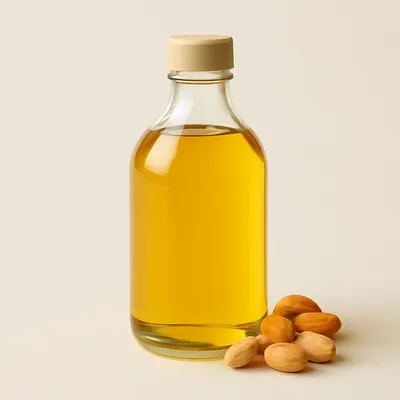

How it's made
7 steps · 40 min
- 15 min
Bring a large pot of water to a boil. Add the pork hard-rib section; blanch for 5 minutes, skimming away foam. Drain, rinse under cold water, and pat completely dry.
- 2120 min
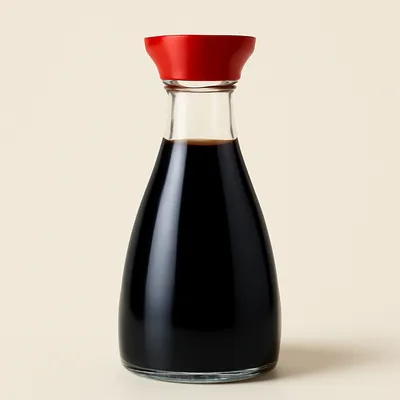
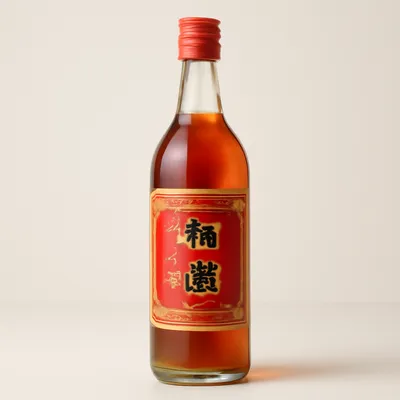
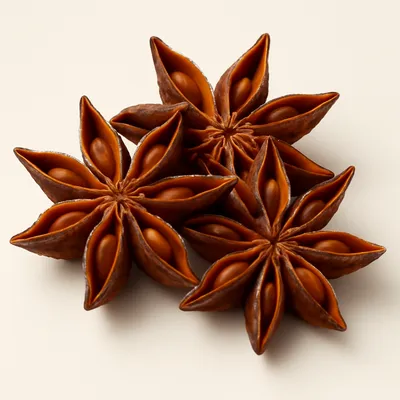
Combine soy sauce, Shaoxing wine, Sichuan peppercorns, star anise, scallion segments, ginger slices, sugar, and salt in a deep tray. Submerge the pork and marinate for 2 hours, turning every 30 minutes to ensure even penetration.
Watch outMarinate a full two hours, turning every half hour, so the spiced wine soaks in evenly — rush it and the flavor sits only on the surface.
- 355 min
Transfer marinated pork skin-side up to a steaming rack. Steam over high heat for 40 minutes until about 80 percent cooked — the skin should be tender but still holding its shape. Remove and cool completely; optionally press under a weight for 15 minutes.
Watch outSteam only to about 80% done — the skin should be tender but still hold its shape; overcook now and it falls apart in the fryer.
- 415 min
Heat peanut oil in a deep wok to approximately 150 degrees Celsius — a chopstick inserted should produce gentle, steady bubbles. Gently lower the pork and fry for 15 minutes. Brush the surface with rice vinegar twice during this phase.
Watch outBrush vinegar on as you fry and listen for the skin to crackle and deepen to purple-brown — that audible crackle is the crust puffing crisp.
- 520 min
Raise the heat to bring oil to approximately 180 degrees Celsius. Continue frying for 20 more minutes, brushing the surface with rice vinegar three additional times — five vinegar applications in total. The skin will crackle audibly and deepen to a purple-brown gloss.
- 65 min
Remove the pork and drain on a wire rack; rest for 5 minutes. The skin should be audibly crisp when tapped and the colour a distinctive burnished purple-brown.
Watch outTap the drained skin — a sharp, crisp knock means it's ready; a dull thud means it needs more time in the oil.
- 73 min
Slice or pull into serving pieces and arrange on a plate. Serve with fine julienned scallion, sweet bean paste, and warm sesame flatbreads or steamed pancakes for wrapping — exactly as one would eat Peking duck.
Archive tool suggestions — not reviewed
These legacy suggestions have not been evidence-reviewed and are not presented as required tools.


