
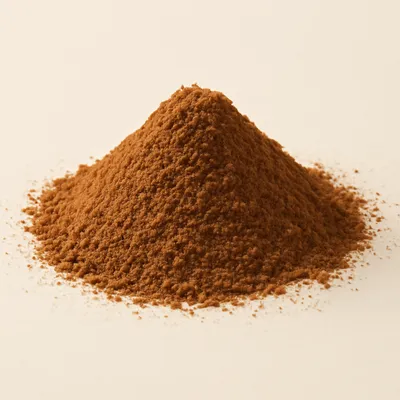
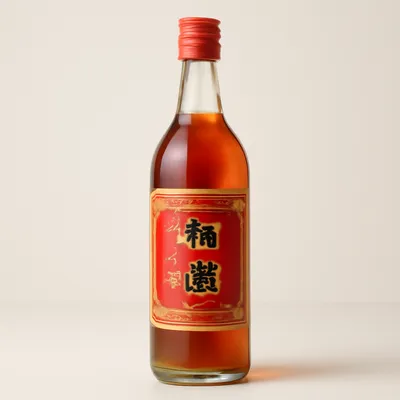
A whole duck rubbed with five-spice, Sichuan peppercorn and Shaoxing wine, steamed for hours until it falls off the bone, then deep-fried until the skin shatters into an all-over crackle. The meat is pulled into ragged strands and rolled into thin pancakes with hoisin, shredded scallion and cucumber. This is the spiced, steam-then-fry duck of Sichuan, and the 'crispy aromatic duck' that became a fixture of Britain's Chinese restaurants.




Crispy aromatic duck belongs to Sichuan, where cooks built a family of ducks on one method: marinate deep, steam until tender, then fry until crisp. Its smoked cousin, camphor-tea duck (樟茶鸭), carries a documented late-Qing lineage — the Chengdu chef Huang Jinlin is said to have adapted a Manchu court smoked duck using Sichuanese camphor leaves and tea, then brought the method home; aromatic crispy duck is the plainer sibling that drops the smoking step, keeping only the cure, the steam and the fry. The version most Westerners know was created abroad. In Britain, Cantonese-run restaurants wanted a Peking-duck-style service — meat rolled into pancakes with hoisin, scallion and cucumber — without Peking duck's days of air-drying and its dedicated roasting oven. Spiced duck that could be steamed in advance, then fried to order, fit. Listed on English menus as 'crispy aromatic duck' or 'crispy duck,' it became one of the most ordered Chinese dishes in the country — a British-Chinese fixture descended from the Sichuan original, though barely recognized by that name in China.
Pull a strip off the carcass and the skin crackles audibly before the meat gives — it should never need a knife, only forks. The crust is mahogany and blistered all over, not glassy in patches like a carved roast; under it the flesh is moist and deeply savory, the salt and five-spice soaked all the way to the bone. The pull-apart strands carry a faint citrus tingle from the Sichuan peppercorn rather than heat. Spread a pancake with hoisin, lay in duck, scallion and cool cucumber, roll: hot shattering skin against sweet sauce and crisp raw vegetable. If you have to saw at it, it was under-steamed.
The dish solves two physics problems in sequence. First the cure: salt and Shaoxing wine draw moisture out and season it back in, while five-spice and Sichuan peppercorn — given hours, sometimes overnight — diffuse fat-soluble aromatics into the flesh, so the seasoning reaches the bone rather than sitting on the surface (Peking duck's flesh, by contrast, is left comparatively plain). Then long steaming, roughly 1.5 to 2 hours of gentle moist heat: held near the boil, the duck's collagen-rich connective tissue hydrolyzes into gelatin (collagen breaks down under sustained moist heat above about 70°C), so the meat goes fall-apart tender and pulls into strands, while subcutaneous fat renders out and the skin loosens. After steaming the duck is fully cooked, so it must be cooled and patted bone-dry — surface water flashes to steam and prevents crisping. The final deep-fry, around 190 to 200°C, has one job: to flash-dehydrate the rendered skin and drive the Maillard reaction (amino acids and sugars browning at high heat) into an all-over blistered crackle in two to three minutes. This is the opposite route to Peking duck, whose crackle comes from days of air-drying and a maltose-glazed roast over open fire. Here the crisp is fried, fast and total; the meat was already tender before the oil touched it.
Variations
The smoked cousin camphor-tea duck (樟茶鸭) adds a step the aromatic version skips: after curing, the duck is smoked over camphor leaves and tea before steaming and frying, giving a tea-smoke perfume. Home cooks short-cut the long steam with a pressure cooker (about 15 to 20 minutes), and many dredge the skin in cornstarch or air-dry it before frying for a crisper crust; some baste with hot oil rather than fully submerging. The classic Sichuan service pairs the duck not with pancakes but with a dip of roasted Sichuan-peppercorn salt (椒盐) or steamed lotus-leaf buns. The British restaurant form has diverged most: the meat is shredded and presented as a build-your-own with thin pancakes, hoisin or sweet bean sauce, scallion and cucumber, sold as 'crispy aromatic duck' by the quarter or half.
On the Palate
Where Crispy Aromatic Duck sits in the Chinese flavor cloud
Ingredients
Serves 4


How it's made
7 steps · 30 min
- 115 min
Pat a whole duck dry. Rub it inside and out with salt, Shaoxing wine, five-spice powder and crushed Sichuan peppercorn, tucking scallion and ginger into the cavity. Cover and marinate at least 4 hours, ideally overnight in the fridge.
- 2110 min
Set the duck breast-up in a heatproof dish and steam over a full boil, medium heat, for 1.5 to 2 hours until the meat is fall-off-the-bone tender. Top up the water every 30 minutes.
Watch outSteam a full 1.5 to 2 hours until the meat pulls off the bone — this long moist heat is what melts the collagen to tender.
- 340 min
Lift the duck out and let it cool completely on a rack so it drips and firms up; pat the skin thoroughly dry. (A damp skin will not crisp.)
Watch outDry the skin bone-dry before frying — a damp skin steams instead of crisping and will never blister.
- 45 min
Heat oil for deep-frying to about 190°C. Lower in the duck and fry, ladling hot oil over the top, for 2 to 3 minutes until the skin is deep golden and blistered all over.
Watch outLadle hot oil over until the skin is deep golden and blistered all over — that constant basting crisps the top the pot can't reach.
- 52 min
For extra crackle, raise the oil to about 200°C and fry a final 20 seconds. Drain well.
- 65 min
Shred and pull the meat off the bone with two forks into ragged strips, skin and all.
- 78 min
Serve with warm thin pancakes, hoisin or sweet bean sauce, shredded scallion and cucumber batons. Smear, fill, roll and eat.


