
A banquet and New-Year main dish of the Guilin–Lipu area in Guangxi, built from alternating slices of Lipu taro (荔浦芋, a large betel-nut taro variety) and skin-on pork belly. The belly is boiled, the skin pricked and rubbed with dark soy, then deep-fried until the rind blisters into a wrinkled 'tiger skin' (虎皮); the taro is fried to set its surface. Pork and taro are sliced, seasoned with Guilin fermented beancurd (桂林腐乳), sugar and spices, packed skin-down slice-by-slice into a bowl and steamed inverted for a long time, then turned out (扣) onto a plate as a glossy dome. It is one of Guangxi's officially listed ten famous dishes, where the fluffy taro absorbs the rendered pork fat and the fermented-beancurd umami binds the two.




The dish belongs to the cookery of Lipu county (荔浦) in the Guilin region of Guangxi, and its identity rests on the Lipu taro. Local records hold that the taro was brought from the Zhangzhou area of Fujian in the 48th year of the Kangxi reign (1709) and first planted near the Guandi Temple west of the county town; the Republic-era 《荔浦志》 of 1914 notes that the best taro came from in front of that temple and that a cut piece shows a betel-nut grain (槟榔纹), hence the name 槟榔芋. Lipu taro is today a recognized national geographic-indication product (protection granted 28 December 2005), a specific large betel-nut taro variety. A popular story — spread above all by the 1990s television series 《宰相刘罗锅》, in which the Qianlong emperor relishes Lipu taro — holds that the taro was sent up as imperial tribute (贡品) in the Qing, but this rests on legend rather than a firm textual record. The exact inventor and date of the braised-pork dish itself are unrecorded; it took shape as a festive 扣肉 that paired the local taro's starch and aroma with pork belly, and in 2024 it was named one of the ten famous dishes of Guangxi (桂菜十大名菜).
Lifted from the dome, each piece is a slice of pork belly capped to a slab of taro. The rind is the marker: fried to 虎皮, it is wrinkled and faintly chewy with no rubbery bounce, and under it the fat has gone soft and translucent, almost melting on the tongue. The taro is the point — dense yet powdery-fluffy (粉糯), it has drunk up the rendered fat and the salty-savory beancurd so it tastes of pork without being greasy, while the pork tastes of taro. The whole thing is warm, glossy, and just sweet-salty from the fermented beancurd. Done badly, the skin stays tough and bouncy because the belly was under-fried, the fat is flabby and cloying from too short a steam, or the taro is waxy and wet rather than fluffy — the wrong variety, or one steamed too little.
Three things have to go right. First the rind: the boiled belly is pricked and its skin brushed with soy, then lowered skin-down into hot oil around 180°C with a lid held over the pan, because surface moisture trapped under the rind flashes to steam and blisters the skin into the wrinkled 虎皮; a cold-water soak afterward swells those wrinkles further. Second the fat: a long inverted steam, an hour or two, drives the connective collagen in the belly to break down into gelatin so the fat turns soft and unctuous instead of firm. Third the taro: Lipu taro is a high-starch betel-nut variety (its quality standard calls for amylose ≥1.5% and amylopectin ≥7.0%), and prolonged steaming gelatinizes that starch into the fluffy 粉糯 crumb that then soaks up the melting pork fat dripping down through the packed bowl. The fermented beancurd (腐乳) supplies salt and a load of free amino acids from its mold fermentation, deep savory umami that seasons taro and pork at once. Packing skin-down means that when the bowl is inverted onto the plate the rendered juices have run down into the taro and the tiger-skin faces up.
Variations
The closest sibling is plain 芋头扣肉 / 香芋扣肉 made across Guangdong and Guangxi, where taro and belly alternate but the seasoning leans on oyster sauce and soy rather than Guilin beancurd. The better-known national cousin is 梅菜扣肉, the Hakka dish that swaps taro for preserved mustard greens (梅菜) layered under the tiger-skin pork; 扣肉 without taro or 梅菜, dressed simply with fermented beancurd, is 南乳扣肉 / 腐乳扣肉. Within Guangxi the dish is most associated with Lipu and Guilin and is a fixture of the New-Year table; some cooks finish the turned-out dome with a ladle of the strained, thickened steaming juices, others add a little Guilin sanhua liquor or five-spice to the marinade.
On the Palate
Where Lipu Taro Braised Pork sits in the Chinese flavor cloud
Ingredients
Serves 6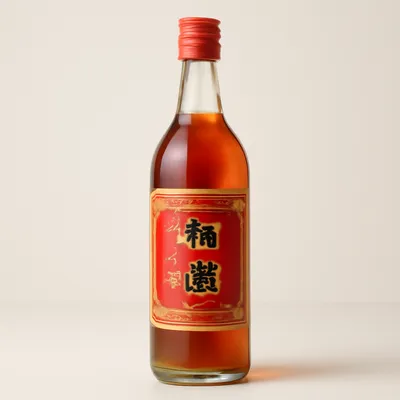


How it's made
8 steps · 50 min
- 130 min
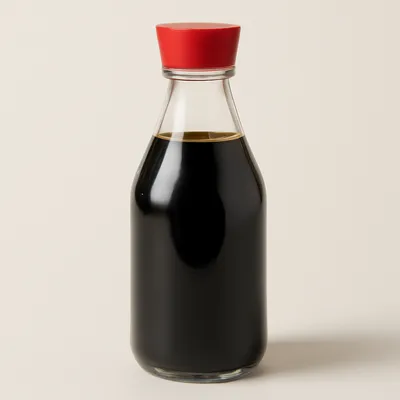
Scrub a slab of skin-on pork belly and boil it whole with ginger, scallion, and Shaoxing wine until just cooked through and firm enough to slice, about 25-30 minutes; lift out and pat the skin dry.
- 25 min
While still hot, prick the rind all over with a fork or skewer and brush the skin with dark soy sauce so it colors evenly.
- 38 min
Heat oil to about 180°C; lower the belly skin-down (hold a lid over the pan to shield against spatter) and fry until the rind blisters and wrinkles into tiger skin, then transfer to cold water to soak and swell the wrinkles.
Watch outLower the belly skin-down into hot oil and shield with a lid — trapped surface moisture flashes to steam and blisters the rind into the wrinkled tiger skin; keep it dry and it won't pucker.
- 48 min
Peel the Lipu taro and cut it into thick slices roughly the size of the pork; fry the taro slices in the same oil until the surfaces are set and lightly golden.
- 510 min
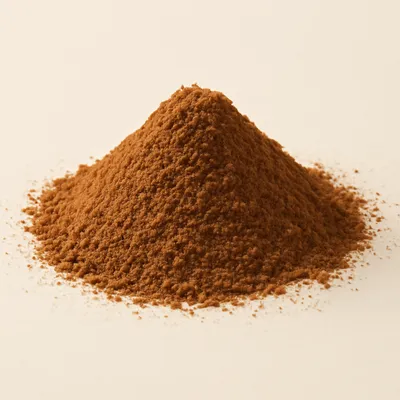
Cut the cooled belly into slices of matching size; mash Guilin fermented beancurd with its brine, sugar, light soy, five-spice, and a little of the frying oil, and coat both the pork and the taro slices.
- 68 min
In a deep bowl, pack the slices skin-side-down, alternating one slice of pork with one slice of taro, pressing them snugly into a fan; pour any leftover beancurd marinade over the top.
- 7110 min
Set the bowl in a steamer and steam over rolling water for 1.5 to 2 hours, until the fat is translucent and the taro is fully fluffy.
Watch outSteam inverted a full hour and a half to two hours until the fat turns translucent and the taro is fluffy — cut it short and the belly stays firm and greasy.
- 86 min
Carefully pour off the accumulated juices into a pan, invert a serving plate over the bowl and turn the whole thing out so the dome shows skin-up; reduce the juices (thicken with a little starch if desired) and spoon over the dish.
Archive tool suggestions — not reviewed
These legacy suggestions have not been evidence-reviewed and are not presented as required tools.


