A multi-ethnic spring-festival rice of Tongren, Guizhou—glutinous rice, white rice, wild mugwort (qinghao), cured smoked pork and wild scallions steamed together in a wooden vessel; the mugwort's bitterness is expelled by hand-kneading, leaving a faint forest freshness that haunts every grain, balanced by smoky cured pork fat.


社饭 is tied to 春社日 (Spring Social Day)—the fifth 戊 day after 立春 in the traditional Chinese sexagenary calendar, which falls near the spring equinox and was traditionally the day to honour the earth deity. Communities across the Wuling Mountain region—Tujia, Miao, Dong and Han alike—gathered on this day to share communal meals. Tongren's 挂社 custom is particularly distinctive: families carry wine and social rice to visit the graves of kin who have passed within the previous three years, making it less about earth-deity worship and more about recent ancestral remembrance. This custom is now inscribed on Guizhou's fifth-batch provincial intangible cultural heritage register. The spring social tradition has ancient literary precedent: Tang-dynasty poet Wang Jia's celebrated verse 《社日》 captures spring social festivity in verse, evidence the custom was nationwide by the Tang. The dish's two anchors are 青蒿 (Artemisia caruifolia, Chinese mugwort), harvested in earliest spring when tender shoots first emerge, and 腊肉 (smoked cured pork), preserved through every Wuling winter in every household.
Sticky and earthy-savoury, with a whisper of green bitterness from the mugwort and a thread of woodsmoke from the cured meat woven through every mouthful; the crust at the base of the steamer—the 社饭锅巴—is worth the scramble for it.
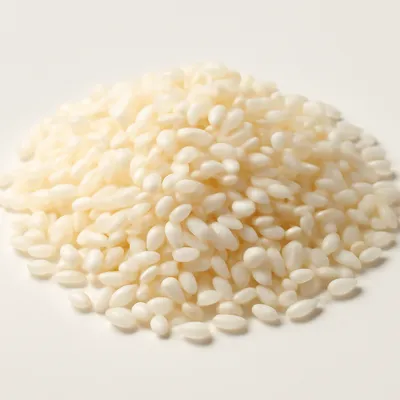
Mugwort's bitterness comes from sesquiterpene lactones—primarily artabsin and related compounds—and phenolic acids concentrated in the leaf tissue. Kneading the blanched herb in water ruptures cell walls and leaches these moderately water-soluble bitter compounds into the rinse water; subsequent dry-frying in a wok drives off residual moisture, deactivates remaining enzymes and develops toasty volatile aromatics through pyrolysis, while chlorophyll partially converts to pheophytin giving a warmer olive hue. On steaming, glutinous rice's near-100% amylopectin content gelatinises into a dense, cohesive matrix that binds cured pork fat and scallion aromatics into each grain; lard rendered from the cured pork during steaming coats starch granules, moderating water uptake and preserving the characteristic chewy elasticity.
Variations
Hunan Xiangxi versions add wood-ear mushroom for crunch and use mugwort harvested slightly later in the season. The Dong ethnic variant in eastern Guizhou replaces cured pork with river fish paste. Some families soak glutinous rice overnight in wood-ash lye water for a golden, alkaline-glossy finish. The 社饭锅巴 (crust) that forms at the steamer base is peeled off and eaten separately as a crisp snack—a point of fierce family competition.
On the Palate
Where Spring Social Rice sits in the Chinese flavor cloud
Ingredients
Serves 6How it's made
7 steps · 40 min
- 1300 min
Soak glutinous rice in cold water for 5–8 hours ahead; separately, pre-cook regular white rice in boiling water for 5 minutes until just firm; drain and set aside.
- 28 min
Wash tender mugwort shoots; blanch in boiling water for 1 minute; drain and transfer to cold water; hand-knead vigorously to expel bitter liquid; squeeze very dry.
Watch outKnead the blanched mugwort hard under water until the water runs green and the bitterness leaches out — skip this and the rice tastes harshly bitter.
- 35 min
Heat a wok over medium heat with 1 tsp camellia oil (or dry-roast); add kneaded mugwort and stir-fry 4–5 minutes until fully dry and fragrant; remove and cool.
- 46 min
Dice cured pork into 1 cm cubes; in the same wok over medium heat, render the pork cubes until edges crisp and fat releases, about 5 minutes; set aside. Roughly chop wild scallions.
- 55 min
Combine drained glutinous rice, pre-cooked white rice, dried mugwort, cured pork and wild scallions in a large bowl; season with salt; mix thoroughly.
- 635 min
Line a wooden steamer basket with damp cloth; add the mixed rice in an even 4–5 cm layer; steam over vigorously boiling water for 35 minutes.
Watch outSteam over a hard rolling boil for the full time — weak steam leaves the glutinous grains chalky in the middle.
- 73 min
Check doneness—grains should be fully tender, fragrant and slightly sticky; serve hot, and scrape any crust from the steamer base as a bonus.
Archive tool suggestions — not reviewed
These legacy suggestions have not been evidence-reviewed and are not presented as required tools.


