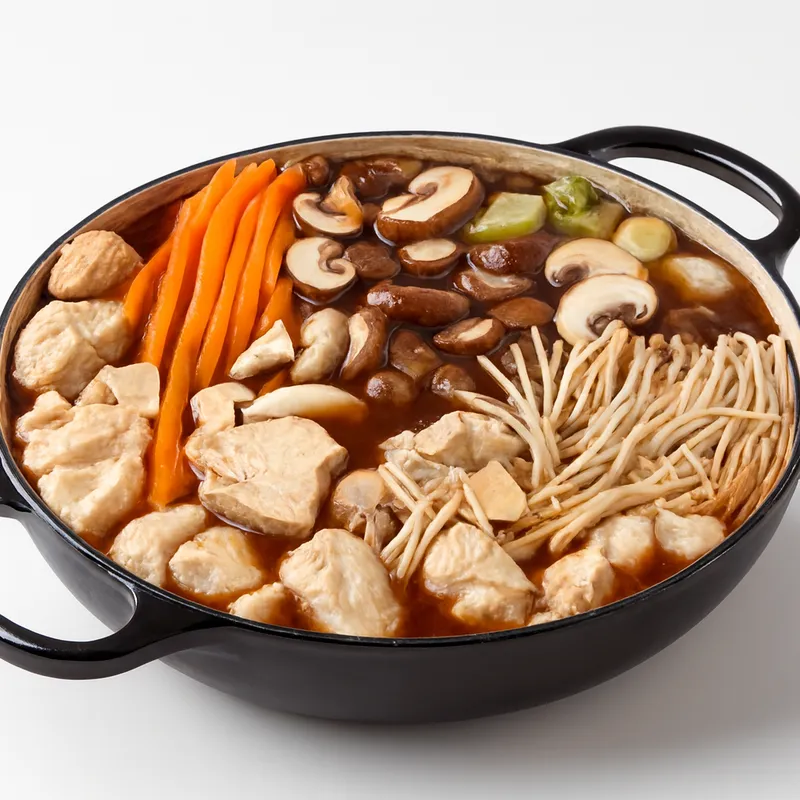
Ground beef and aromatics wrapped in a thin flour skin, pleated along one edge and left open at each end, pan-fried in oil then steam-finished by adding water to the sealed pan. A Nanjing staple born in the Qijia Bay Muslim quarter, longer and narrower than northern dumplings, with a crackling-crisp bronzed base and a tight, juicy, ginger-and-scallion-scented beef interior.




Nanjing's Qijia Bay district was historically a hub of Hui Muslim livestock traders and butchers concentrated around the inner Qinhuai River near Taiping South Road. The ready availability of fresh halal beef made it the natural filling for the neighborhood's potsticker trade, which grew alongside the butchery stalls. The old-line shop Jiang You Ji, founded by Jiang Qingqi in the 1930s near Da Xiang Lu, became the most cited original standard-bearer. The shop later relocated to Qijia Bay and then to the Confucius Temple area, and the dish was enshrined as one of the Qinhuai Ba Jue — the Eight Delicacies of Qinhuai that define Nanjing's ceremonial street-food canon.
The bottom crust — bronzed and lacquered from contact with the oiled pan — shatters with a distinct crack. Above it, the skin is pale and yielding with a faint doughiness. Inside, the beef filling is tight and juicy, seasoned with ginger and scallion, with none of the gaminess that poor-quality beef sometimes carries. The two open ends release a small puff of steam when bitten.
Nanjing potstickers use a two-stage fry-steam method: first, high-heat oil contact creates a Maillard-browned crust on the base; then cold water added to the closed pan instantly generates steam that cooks the filling and upper skin through convective heat. The two open ends at each tip are structurally intentional: they allow excess steam to escape from the interior cavity, preventing the skin from over-stretching and bursting during the steam phase, and keeping the filling moist rather than stewing under pressure. This structural difference distinguishes Nanjing potstickers from northern dumplings and Shanghai pan-fried buns.
Variations
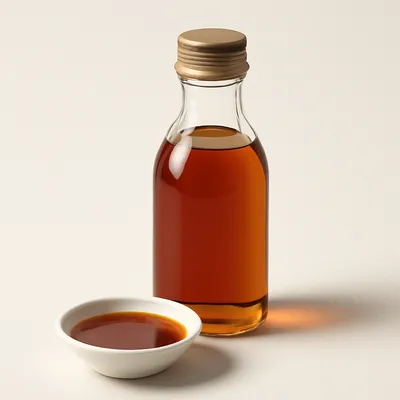
The classic filling is seasoned ground beef with ginger and scallion; some shops add a small amount of napa cabbage for moisture. A Nanjing-specific variation renders beef tallow instead of vegetable oil in the pan, intensifying the beefy fragrance of the crust. Dipping condiments vary: the traditional accompaniment is Zhenjiang black vinegar with shredded ginger; chili oil versions are also common. During spring festival, Han vendors in the neighborhood serve pork-and-cabbage versions, but beef remains the Nanjing marker.
On the Palate
Where Beef Potstickers sits in the Chinese flavor cloud
Ingredients
Serves 4


How it's made
8 steps · 45 min
- 110 min
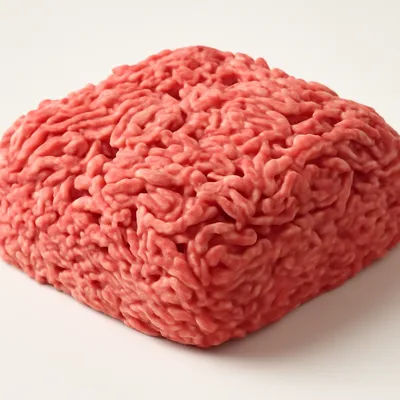
Combine ground beef, minced ginger, chopped scallion, soy sauce, sesame oil, and salt; mix vigorously in one direction until filling becomes sticky and cohesive
Watch outBeat the filling one direction until it turns sticky and holds together — that pull is what keeps it juicy instead of crumbling apart.
- 220 min
Make dough: mix 250g flour with 130ml just-boiled water; knead until smooth; cover with a damp cloth and rest 20 minutes
- 310 min
Roll dough into a log; cut into 20 equal pieces; roll each into an oval skin about 3mm thick
- 410 min
Place filling along the center of each skin; fold the long side over and pleat 4 to 5 folds along the top edge, leaving both short ends open
Watch outPleat the top but leave both tips open — those open ends let the steam escape so the skin doesn't stretch and burst in the steam phase.
- 53 min
Heat a flat-bottomed pan with 2 tbsp oil over medium-high heat; place potstickers base-down in neat rows; fry until the base is golden, about 3 minutes
- 66 min
Pour 80ml cold water into the pan; immediately cover tightly; steam until water is fully absorbed, about 6 minutes
Watch outPour the water in and clamp the lid at once — steam until it's all absorbed; lift the lid early and the tops steam up gummy and raw.
- 72 min
Uncover and continue frying 1 minute until the base re-crisps and steam has evaporated
Watch outUncover and fry one more minute to re-crisp the base — the crust softens under the steam and needs that last dry heat to crackle again.
- 81 min
Slide onto a plate base-up; serve with black vinegar and shredded ginger
Archive tool suggestions — not reviewed
These legacy suggestions have not been evidence-reviewed and are not presented as required tools.