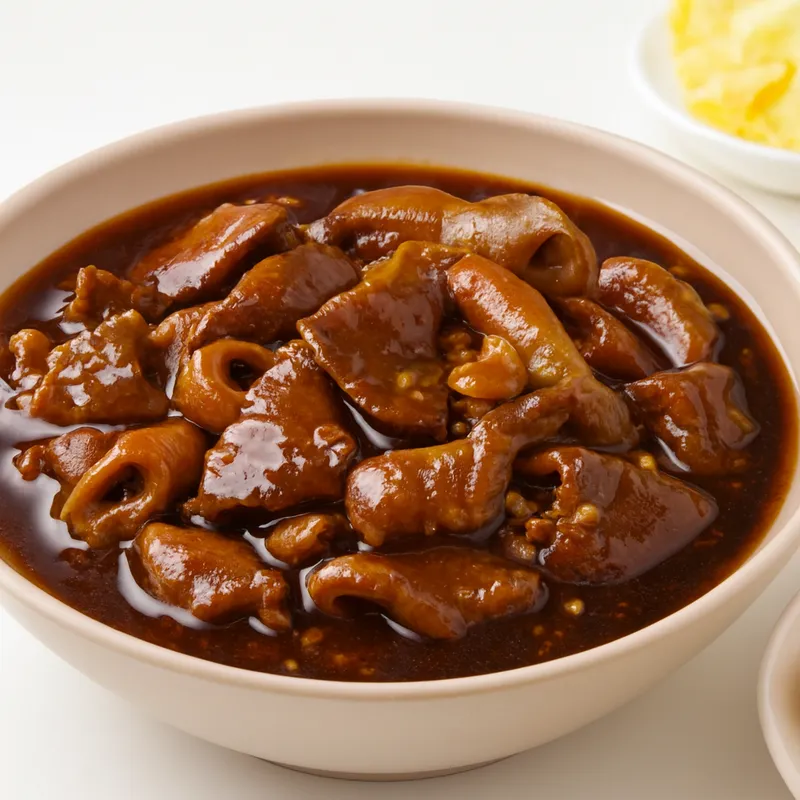
A round sesame-armored confection from Wenxi County in Yuncheng, south Shanxi. A cooked-flour dough bound with maltose syrup and honey is rolled into pigeon-egg balls, deep-fried until the shell cracks open and the inside puffs airy, then soaked in hot maltose-honey syrup and rolled in toasted white sesame. Break one open and the chestnut-brown skin and pale crumb pull into fine golden threads several centimeters long — the local boast of "silver wrapping gold, able to draw threads." Despite the name "boiled cake," nothing is boiled: in the south-Shanxi dialect the word for deep-frying, za, is pronounced close to zhu ("to boil"), and the dish was simply written down by its sound.
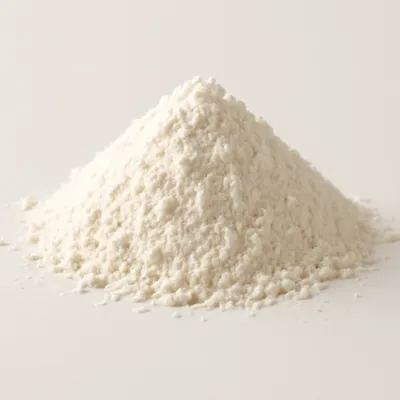
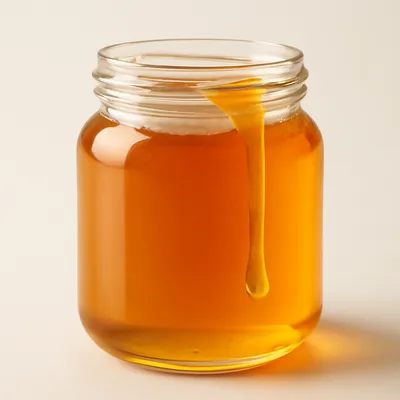


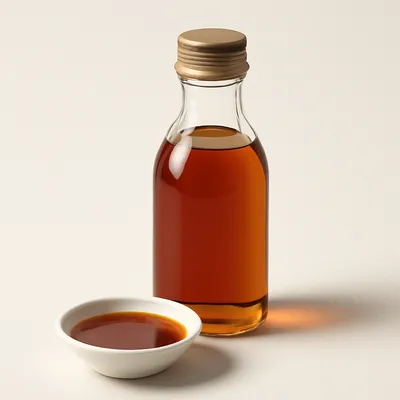
Wenxi Boiled Cake is a documented south-Shanxi pastry whose exact origin is unrecorded; it traveled the country with Shanxi merchants by the Jiaqing era of the Qing and has carried a reputation as one of Shanxi's premier confections for roughly three centuries. Two folk tales attach to it — one that the Kangxi emperor, passing through Wenxi, tasted it, asked its name, and on the flustered silence laughingly decreed "just call it boiled cake"; another tracing a maltose-and-flour campaign ration back to the Shang general Wen Zhong, the "Wen Taishi cake." Both are legend and undatable. What is firm is the name puzzle: the cake is deep-fried, not boiled. In south-Shanxi (Jinnan) speech the verb for frying in oil, za (煠), is pronounced almost identically to zhu (煮, "to boil"), so the dish was recorded by its sound; locals still say "boil oil-fritters" for frying. The cake's fame was sealed in writing by Lu Xun, whose 1925 story The Solitary One (in the 1926 collection Pang Huang) opens a visit with "I carried two packages of the Wenxi-made boiled cake." The old house Yongxianghe, dated to 1808 (Jiaqing 13), still makes it, and the craft entered Shanxi's provincial intangible-heritage list in 2009.
A craggy golden sphere the size of a small egg, its whole surface crusted in toasted white sesame. The shell gives with a dry crack into a chestnut-brown skin; inside is a pale, airy, faintly hollow crumb, soft and short rather than chewy. It is sweet and deeply sesame-roasty, the honey and maltose lending a clean, lingering sweetness rather than a cloying one. The signature is the pull: tear it and a windowful of fine golden syrup threads, three to six centimeters long, stretches between the two halves before it lets go.
Two things define the cake: the threads and the airy crumb. The threads are maltose. The finishing syrup — maltose syrup with honey and sugar — is cooked to about 116°C, the soft-crack stage, where it turns thick, sticky and highly extensible; maltose, a slow-crystallizing sugar, holds this pliable, draw-into-strands state as it cools, so a broken cake pulls fine golden filaments instead of snapping clean. The airy, short crumb comes from the dough being built on pre-steamed (cooked) flour: steaming the flour first denatures its gluten and pre-gelatinizes the starch, so the dough sets tender and crumbly rather than tough and chewy, while a little leavening and the trapped moisture flash to steam in the oil to puff it hollow. The balls are dipped in cold water before frying — this rinses off loose surface flour and, by wetting the skin, guards against the shell splitting or peeling. They fry at moderate heat until the surface turns reddish-brown and fine cracks open; then the cooled cakes are steeped in the hot syrup so it soaks in, and rolled in toasted sesame, whose sugars and amino acids run the Maillard reaction into nutty, roasty aromatics. The contrast of chestnut skin over pale crumb is the local "silver wrapping gold."
Variations
The cake is fixed in form — a sesame ball that draws threads — but houses differ in the crumb and the syrup. Traditional makers build the filling on "three-soak, three-steam" cooked flour scented with osmanthus, and dress it with pure stone-milled sesame oil; the finishing syrup leans on maltose for the long thread, with honey and sugar for shine and sweetness. The old house Yongxianghe is the best-known maker, but the name covers a family of Wenxi and wider Yuncheng workshops. Modern factory versions sometimes trade osmanthus for other flavorings and adjust the leavening for a lighter, more uniform hollow; lesser ones over-sweeten the syrup or skimp the sesame, losing the roast.
On the Palate
Where Wenxi Boiled Cake sits in the Chinese flavor cloud
Ingredients
Serves 6

How it's made
8 steps · 1 hour 30 min
- 125 min
Steam the flour in a basket until cooked through, then spread it out to cool and rub it loose; this cooked flour is what keeps the crumb tender rather than chewy.
Watch outSteam the flour through fully before using it — this cooked flour is what keeps the crumb tender and short rather than chewy.
- 215 min
Make the filling dough: mix the cooled cooked flour with maltose syrup, honey, brown sugar, a little baking soda, sesame oil and just enough water, kneading to a dough as soft as steamed-bun dough.
- 310 min
Pinch off pieces and roll into smooth balls the size of a pigeon egg.
- 45 min
Dip each ball briefly in cold water in a wire strainer to rinse off loose flour and wet the skin, which guards against the shell splitting or peeling; drain.
- 58 min
Deep-fry at moderate heat in sesame-blended oil until the cakes float, the surface turns reddish chestnut and fine cracks open, about three minutes; lift out and let cool.
Watch outFry at moderate heat until the cakes float and fine cracks open on a reddish-chestnut surface — those cracks are where the syrup later soaks in.
- 610 min
Cook the finishing syrup of maltose syrup, honey and sugar to about 116°C, the soft-crack stage, until it draws a long thread when lifted.
Watch outCook the finishing syrup to about 116 degrees, until a lifted spoon draws a long thread — that's the stage where maltose pulls into the signature golden strands.
- 73 min
Steep the cooled cakes in the hot syrup for a minute or two so it soaks in, then lift out.
- 85 min
Roll the sticky cakes in toasted white sesame until evenly armored, then cool and seal.