Hoisin Sauce
Hoisin sauce is a thick, dark condiment with a sweet and savory flavor profile, featuring notes of garlic, soy, and chili. Its complex taste adds richness and depth to a variety of dishes.
Where it comes from
A staple in Chinese cuisine, hoisin sauce has its roots in Guangdong province and has evolved to become a beloved ingredient in many Asian dishes around the world.
In the kitchen
Used as a glaze, dipping sauce, or marinade, hoisin sauce brings an irresistible sweetness and depth to stir-fries, barbecued meats, and noodle dishes.
Across cuisines
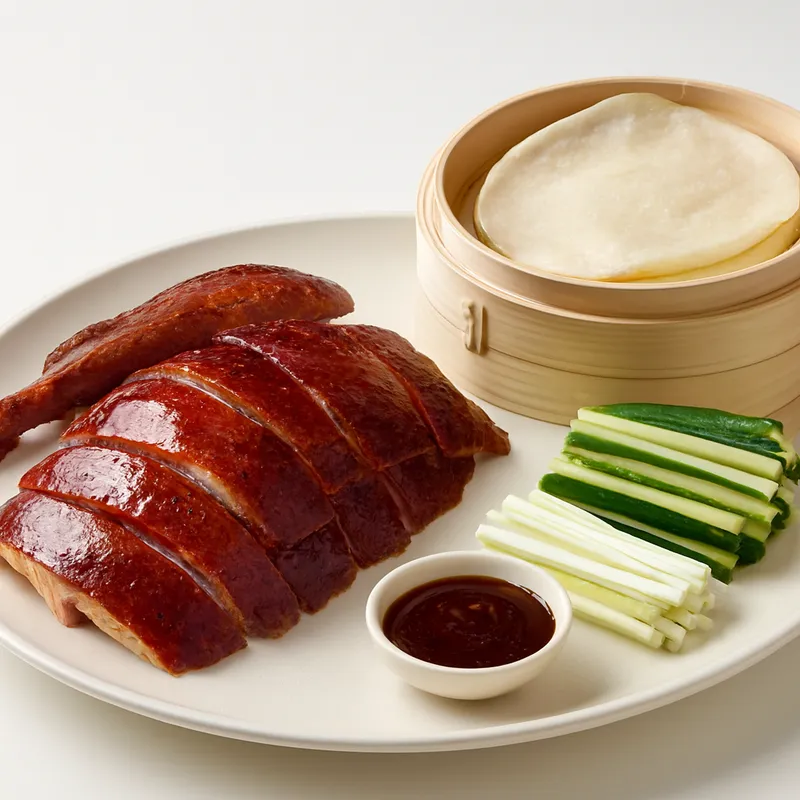
The smear inside Peking duck pancakes — a thin coat under the crispy skin, scallion, and cucumber. Some old houses prefer 甜面酱 alone; modern Beijing pancake stalls and jianbing carts use hoisin or a hoisin-甜面酱 blend for the duck-style wrap experience.
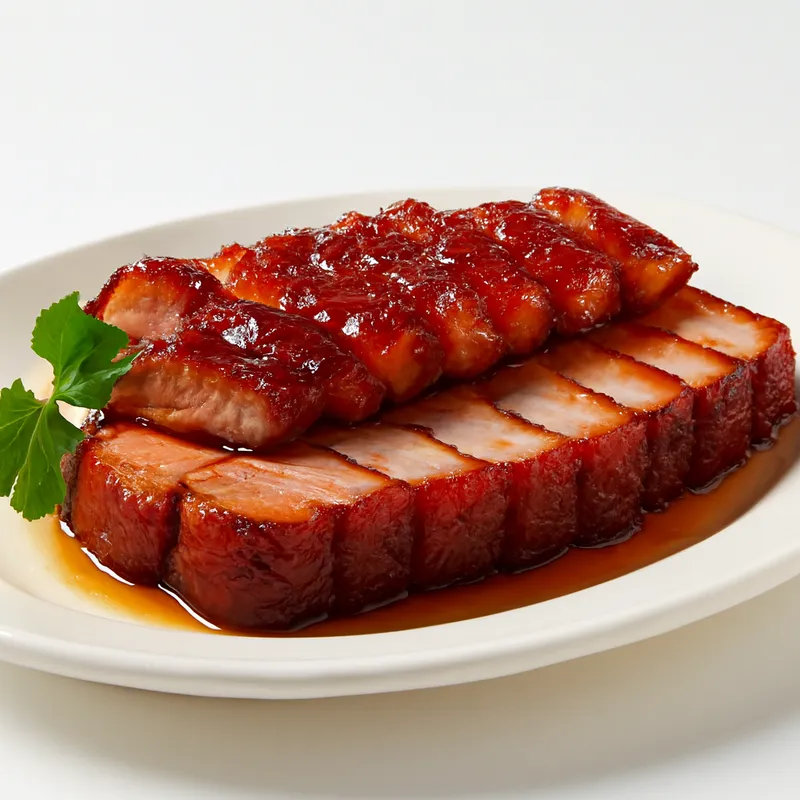
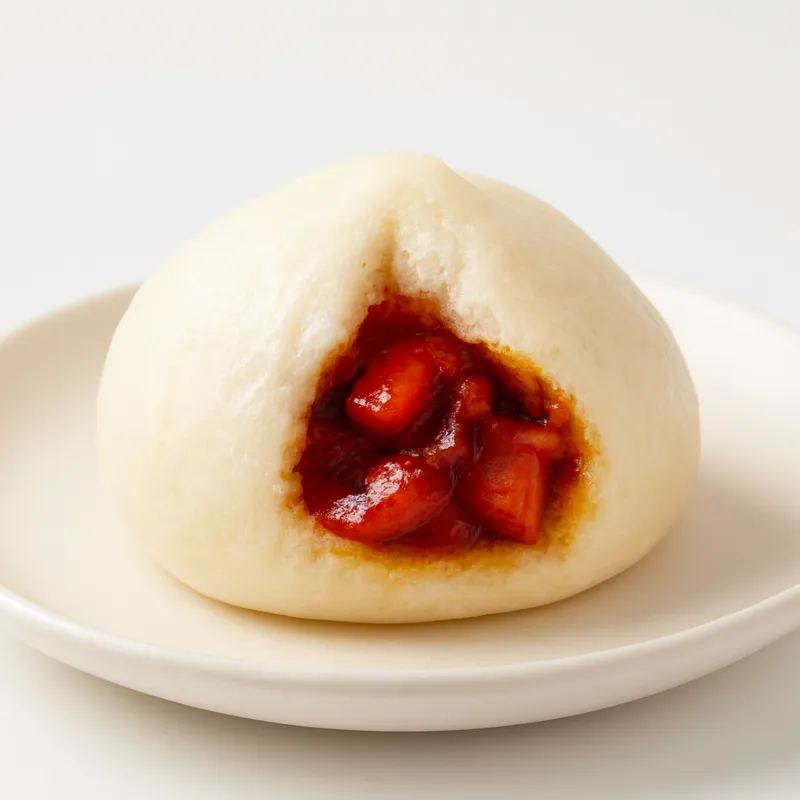
Mixed into char siu marinade with maltose, soy, and rose wine — provides the sweet-salty fermented backbone that lacquers onto the pork as it roasts. Also brushed on roast suckling pig and used as a table condiment for siu mei rice plates.
Cut with peanut butter, lime, garlic, and chili to make the orange dipping sauce (tương đậu phộng) served with goi cuon — the sweetness offsets the fresh herbs and shrimp. Also drizzled into pho bowls in southern style (a habit northern purists reject).
Notable varieties
Soybean-fermented base with sweet potato, garlic, vinegar, and five-spice — thick, glossy, brick-red. Lee Kum Kee's recipe set the global standard; balanced rather than aggressively sweet.
Thinner, sweeter, often soy- and sticky-rice-based; designed to pour, not smear. Found on every banh mi counter and in the plastic squeeze bottle beside sriracha at pho tables.
Not technically hoisin — fermented wheat-flour-based paste, less complex but the original Peking-duck condiment. Often confused; many duck restaurants now blend the two.
Nutrition (per 100g)
AI-estimated; model and run unavailable.
Pairs well with