A Dali Midu specialty with more than 500 years of documented tradition: lean pork seasoned with red yeast rice, grass fruit, and over twenty spices is stuffed into a deboned trotter casing, tightly bound, fermented, then slow-steamed and sealed in clay jars to mature. The crosscut reveals vibrant red-and-ivory layers with a lactic-tangy, spice-laced depth.



Midu rolled trotter's roots reach back to the Ming dynasty, when Midu County in eastern Dali prefecture developed the technique of deboning a trotter, packing it with spiced lean pork, and fermenting the roll in a sealed clay vessel — a method that earns the phrase '500 years, one recipe.' Folk accounts describe a Qing-dynasty Midu scholar carrying a jar of the cured delicacy to Beijing for imperial examinations; the emperor tasted it and was so impressed that word of the dish spread across the empire. The preparation has been listed among Dali Prefecture's third batch of intangible cultural heritage, and its 14-step production sequence — from selecting the right Midu pigs to the month-long jar maturation — is maintained by traditional producers in Midu County's Xingren township.
Sliced cold from the jar, the crosscut reveals translucent crimson-tinged skin surrounding ivory-pink lean pork — the first bite delivers clean lactic tartness, then waves of fragrant spice (star anise, grass fruit, fennel) bloom beneath a deep, aged pork savoriness that lingers on.
Red yeast rice carries Monascus purpureus mold, which secretes both red pigments (monascorubin) that color the meat evenly and proteases that assist protein breakdown during fermentation. Simultaneously, naturally present lactic acid bacteria ferment residual sugars into lactic acid, dropping the pH to around 4.5–5.0 — inhibiting pathogens, creating the characteristic tang, and chemically denaturing and firming the proteins. During steaming, the trotter's collagen-rich skin gelatinizes; as the roll cools, the gelatin sets and binds the filling into a dense, clean-slicing terrine structure. Jar-aging in cool conditions allows continued slow proteolysis, deepening umami with every passing week.
Variations
Some Midu families add dried local rose petals (弥渡玫瑰, the same variety used in Yunnan rose cake) to the spice mix for a floral top note. Across Yunnan, Bai and Yi communities make analogous cured trotter rolls: the Bai version uses heavier cinnamon and rice wine rather than baijiu, yielding a sweeter profile; Yi versions may incorporate local mountain herbs and smoked salt.
On the Palate
Where Midu Rolled Pork Trotter sits in the Chinese flavor cloud
Ingredients
Serves 6
How it's made
7 steps · 1 hour
- 120 min
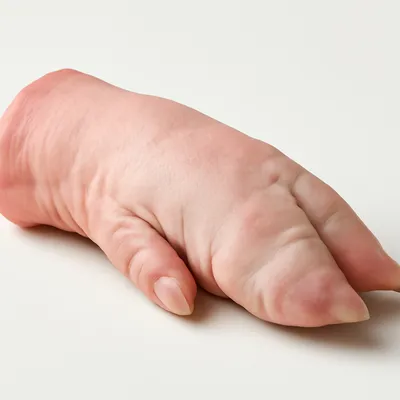
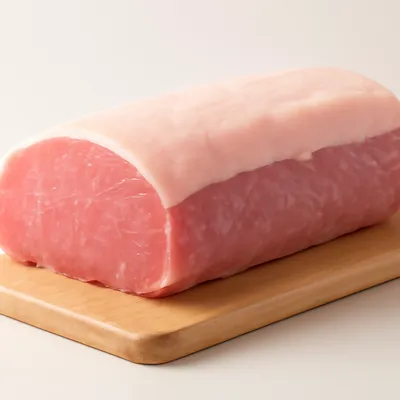
Debone the trotter completely, keeping the skin intact as a single continuous casing; cut lean pork loin into long strips roughly the width of a finger.
Watch outDebone the trotter keeping the skin in one continuous sheet — a torn casing won't roll tight and the terrine won't slice clean.
- 210 min
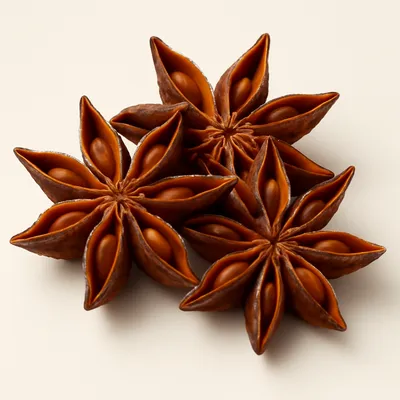
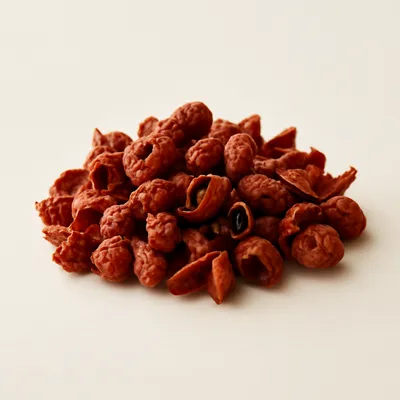
Toast grass fruit, star anise, fennel, and Sichuan pepper until fragrant; grind to powder and combine with red yeast rice powder, salt, cinnamon, and rice wine to form a thick spice paste.
- 330 min
Coat pork strips thoroughly with the spice paste, massaging well until every surface is covered; rest for 30 minutes to allow the seasoning to penetrate.
- 415 min
Lay the deboned trotter skin flat, arrange seasoned pork strips in the center, roll the skin tightly around the filling to form a firm cylinder, and bind securely with hemp cord.
Watch outRoll the skin tight around the filling into a firm cylinder and bind well — a slack roll leaves gaps and the slices fall apart.
- 54320 min
Place the bound roll in a cool spot at 12–16°C for 2–3 days to ferment until a mild lactic aroma develops and the surface firms slightly.
Watch outFerment at 12–16°C two to three days until a mild lactic tang develops and the surface firms — too warm and it spoils, too cold and the tang never comes.
- 660 min
Steam the roll over high heat for 60 minutes until fully cooked through; remove cord and cool completely to room temperature.
- 725 min
Slice and serve cold immediately, or seal in a clean clay jar layered with rice flour and radish strips; mature in a cool spot for at least 4 weeks before opening.
Archive tool suggestions — not reviewed
These legacy suggestions have not been evidence-reviewed and are not presented as required tools.


