
A Leshan market-stall soup of beef and assorted beef offal — tripe, tongue, liver, heart, honeycomb tripe — poached to order in a clear, deeply aromatic broth built on beef bones and a sachet of Chinese medicinal and warming spices. The broth itself is mild and savory rather than fiery; the heat lives in a dry dipping powder of ground chili and Sichuan peppercorn served alongside, so each diner controls the burn. It is a soup, not a hotpot and not a water-boiled (shuizhu) dish: the meat is cooked once in the pot and ladled out into the bowl with its broth.

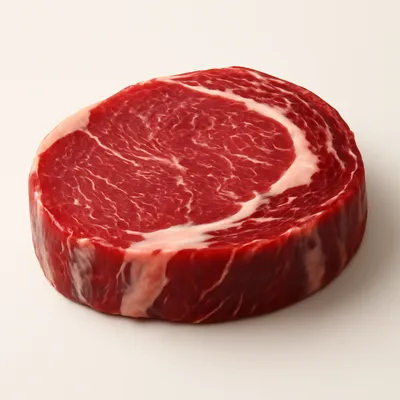
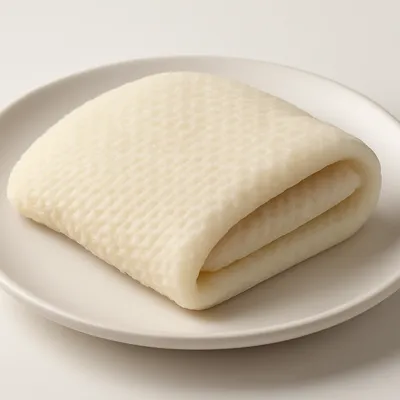
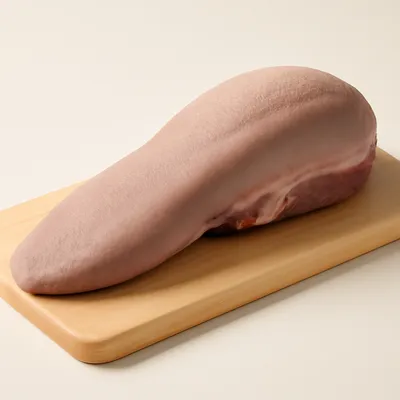
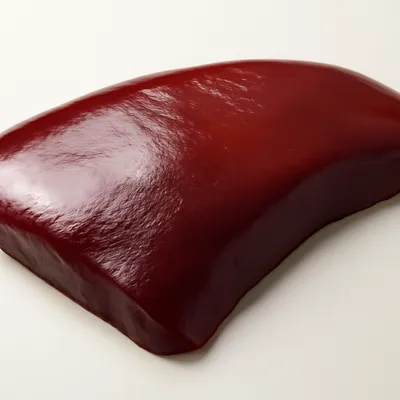

Qiaojiao beef traces to the Guangxu reign of the late Qing (1875–1908) in the town of Suji, on the outskirts of Leshan, Sichuan, where a riverside vendor named Zhou Tianshun is recorded as having started simmering discarded beef offal with ginger, beef bones and aromatic herbs at a streetside stall — a thrifty use of cuts the well-off threw away. A parallel local strand credits an itinerant herbalist who hung his medicine pot by the river and dropped salvaged offal into the spiced broth, which is why the soup carries a tonic, medicinal-herb character. The name qiaojiao — "propped-up foot" — is the recorded reason for its title: the early stalls had only a long bench-table and no stools, so customers ate standing with one foot hooked up on the table's crossbar. It was listed at the municipal level of Leshan's intangible cultural heritage register (2007, again in 2008) and later elevated to Sichuan provincial intangible cultural heritage.
The first thing is the nose: warm, faintly medicinal, ginger and star anise and bai zhi rising off a clear amber broth, not the chili-oil slick of a hotpot. The broth tastes savory and rounded, beefy with a clean herbal lift, and it should be limpid — cloudy, greasy broth means the bones were boiled too hard or the scum wasn't skimmed. Then the offal, each cut at its own texture: tripe and honeycomb crisp-tender with a slight squeak, tongue silky, liver just-set and powdery if overdone, heart firm and springy, thin beef slices barely cooked and tender. You lift a piece, dredge it through the dry dip, and the chili-and-peppercorn powder lands as a separate hit — heat and a slow numbing tingle on top of the gentle broth. Offal cooked too long turns rubbery and the liver goes chalky; that is the tell of a careless pot.
The broth is the dish. Beef bones are blanched to purge blood, then simmered low and long so collagen melts into gelatin, giving the broth body and a clean savory backbone without the murk of a hard rolling boil — gelatin and slow extraction, not violent heat, build it. A cloth sachet of warming and medicinal aromatics (star anise, cassia bark, cao guo, sand ginger, bai zhi, white cardamom, cloves, peppercorn, with tonic additions like dong quai) steeps in the pot and is pulled once its perfume has infused, so the broth reads fragrant rather than bitter — over-steeped herbs turn the soup acrid. Ginger and white pepper carry warmth and tame the offal's funk. Each cut is then cooked to its own doneness in the hot broth: tripe and honeycomb want only a brief poach to stay crisp-tender, beef slices barely a dip to stay tender, while tongue and heart need longer; pull them late and they toughen, as connective tissue over-contracts and squeezes out moisture. The chili and Sichuan peppercorn are kept dry on the side rather than boiled in, because the peppercorn's hydroxy-alpha-sanshool — the molecule behind the tingling numbness — and the chili's volatile aroma are blunted by long simmering; a dry dip delivers them fresh and sharp.
Variations
Offal selection is where versions diverge: a basic bowl might be sliced beef and tripe, a full one piles in tongue, liver, heart, honeycomb tripe, intestine and beef tendon, often with white radish, cabbage or greens added to the broth. The dry dip ranges from plain chili-and-peppercorn powder to mixes cut with toasted soybean, sesame or crushed peanut; some eaters splash in broth to make a wet dip. Stall-style versions are looser and brothier, eaten by the bowl at the source in Suji; restaurant versions standardize the herb formula — some advertising a "twenty-odd herb" tonic broth — and plate the raw cuts separately to cook tableside, edging toward a soup-pot (tangguo) format.
On the Palate
Where Qiaojiao Beef sits in the Chinese flavor cloud
Ingredients
Serves 4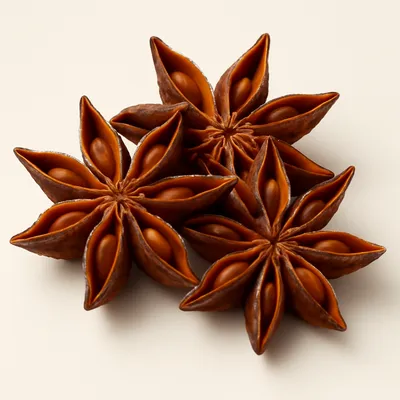


How it's made
7 steps · 40 min
- 120 min
Blanch the beef bones and offal: cover bones with cold water, bring to a boil, skim the scum, drain and rinse. Briefly blanch the tripe, honeycomb tripe, tongue, liver and heart separately to clean them, then rinse.
- 2180 min
Build the broth: cover the bones with fresh water, add smashed ginger and white pepper, bring to a boil and then drop to a low simmer. Tie the spice sachet (star anise, cassia bark, cao guo, sand ginger, bai zhi, white cardamom, cloves, plus dong quai) in cloth and steep it in the pot; pull the sachet once the broth is fragrant. Simmer the broth low for 2–3 hours until it is rich and clear; season with salt.
Watch outPull the spice sachet the moment the broth smells fragrant — leave the herbs in too long and the whole pot turns acrid and medicinal.
- 315 min
Prep the meats: slice the beef thin against the grain; cut tongue, heart and tripe into bite pieces; slice the liver thin. Keep the quick-cooking cuts (beef, honeycomb tripe) apart from the slower ones (tongue, heart).
- 45 min
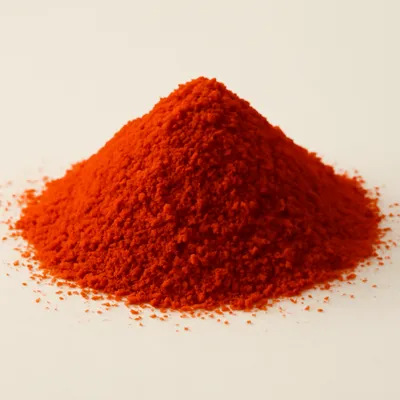
Mix the dry dip: combine ground chili and ground Sichuan peppercorn with a little salt (and, if you like, toasted ground soybean or sesame); divide into small dishes, one per diner.
- 520 min
Cook the slow cuts: poach tongue, heart and tripe in the simmering broth until tender, lifting each as it reaches doneness.
- 65 min
Cook the quick cuts to order: just before serving, slip the beef slices and honeycomb tripe into the hot broth for a brief poach until just cooked and still tender.
Watch outSlip the thin beef and honeycomb tripe into the hot broth for only a brief poach, lifting them the instant they're just cooked — a moment too long and they toughen.
- 75 min
Assemble: add white radish or greens to the broth if using, ladle the meats and hot broth into bowls, finish with chopped scallion and cilantro, and serve with the dry dip alongside.
Archive tool suggestions — not reviewed
These legacy suggestions have not been evidence-reviewed and are not presented as required tools.


