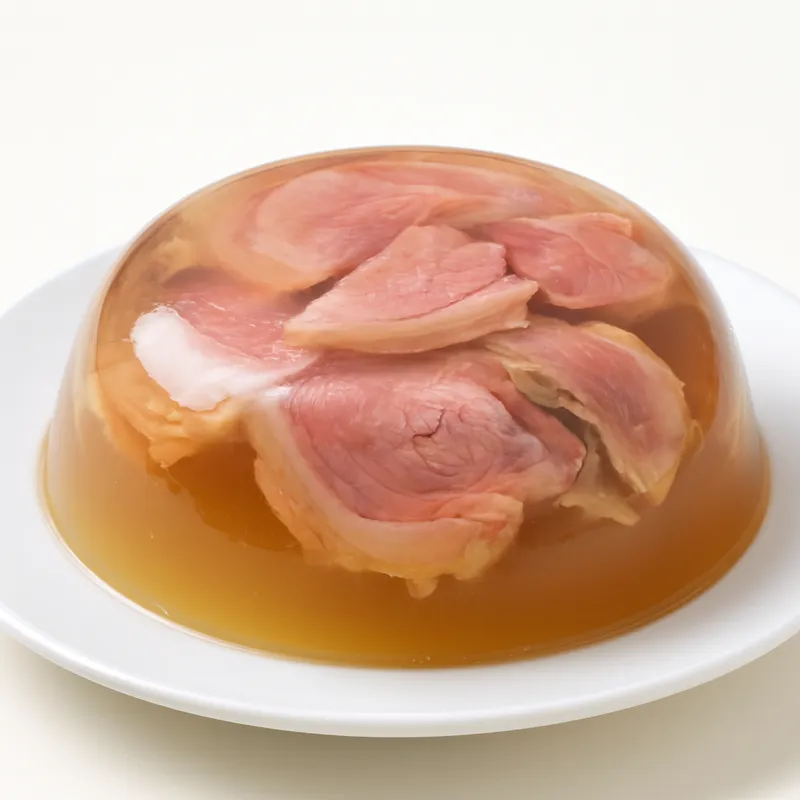
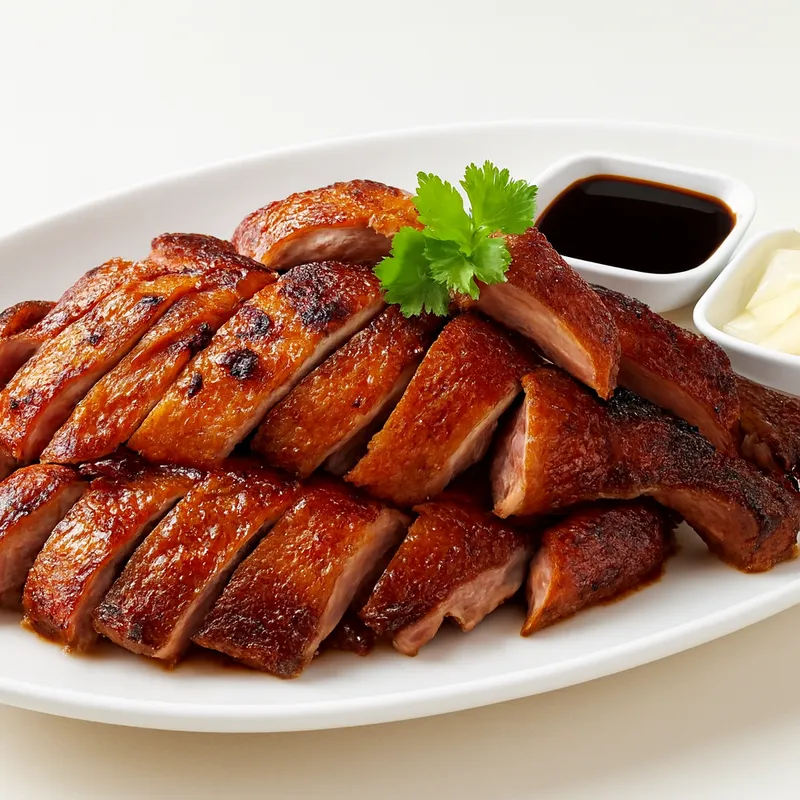
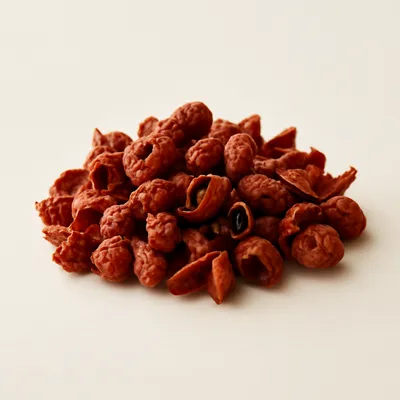
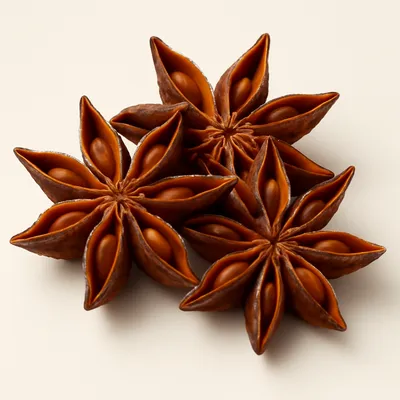
A whole duck cured in a multi-spice brine (star anise, cassia and dozens of aromatics), air-dried, then roasted in an open hung oven over pearwood charcoal — sliced over rice, no pancakes.




Hefei was called Luzhou (庐州) until 1912, and the city's roast duck tradition predates the modern name — it grew out of the Anhui salt-pork (徽腌) family of techniques, where dry curing with peppercorn-salt and air-drying preceded any high-heat cooking. The fruitwood closed-oven roast is regional: pearwood charcoal from Dangshan (northern Anhui) was the standard fuel because it burns clean and smells faintly of the orchard.
Hefei was Luzhou (庐州) until 1912; the duck grew out of the Anhui salt-pork (徽腌) family, where peppercorn-salt cure and 24-hour air-dry preceded any high heat. Pearwood from the Dabieshan foothills was the standard fuel for the closed-oven roast.
Skin is thicker and chewier than Beijing duck — closer to a smoke-roast — and breaks with a salty Sichuan-peppercorn snap, not a thin shatter. Meat is ham-pink near the bone, juicy with a faint fruitwood smoke. You eat it the local way: skin and meat sliced and rolled in a thin pancake with sweet bean sauce, scallion and cucumber slivers, or tucked skin-and-all into a duck-fat sesame griddle cake.
The 24-hour air-dry is the load-bearing step. As skin moisture evaporates, the collagen layer right under it tightens and the surface shifts from rubbery to brittle — only that brittle surface will lacquer evenly when the maltose glaze hits it. Skip air-drying and the skin stays elastic, the maltose pools instead of coating, and the roast comes out blotchy with patches of pale grey. Open hung-oven (same family as Beijing's Quanjude; Beijing's Bianyifang is the closed braising oven) means direct radiant open-flame heat over pearwood charcoal — crisper skin and pearwood smoke, with depth coming from the spiced brine cure rather than salt alone.
Variations
Luogang district keeps the cure peppercorn-salt only; Feixi shops add fennel; Chaohu lakeside tables serve it with pickled mustard root, no pancakes.
On the Palate
Where Hefei Roast Duck sits in the Chinese flavor cloud
Ingredients
Serves 4



How it's made
6 steps · 30 min
- 18 min
Toast 30g salt with 1 tbsp Sichuan peppercorns in a dry pan until the salt yellows and the peppercorns smell sharp, 3 minutes. Crush coarse. Rub a 2.2kg whole duck (cleaned, head and neck on) inside and out, working into every crevice.
Watch outEnsure the salt is fully toasted to enhance flavor.
- 21440 min
Stuff cavity with 4 scallion knots, 30g ginger, 1 star anise, 1 small piece cassia. Truss the legs. Hang in a cool, breezy spot (or refrigerator on a rack with a fan) 24 hours — skin must go to a tight, dry, papery surface.
Watch outHang and air-dry a full day till the skin is tight, dry and papery — only that brittle skin lacquers evenly instead of coming out blotchy.
- 330 min
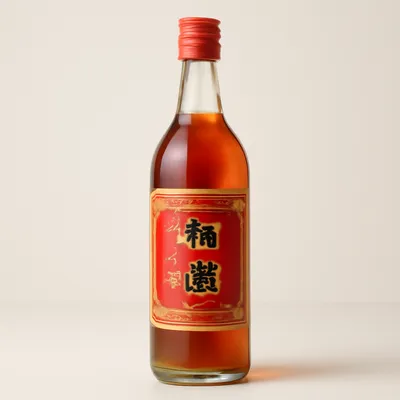
Bring 1.5L water to 90°C with 4 tbsp maltose, 2 tbsp rice vinegar, 1 tbsp Shaoxing wine. Hold the duck by the neck and ladle the syrup over the skin 8-10 times until evenly glazed. Hang to dry another 2 hours — the maltose layer is what gives the lacquer color.
Watch outLadle the warm maltose syrup over the skin till it's evenly coated — this glaze layer is what gives the roast its lacquer colour.
- 450 min
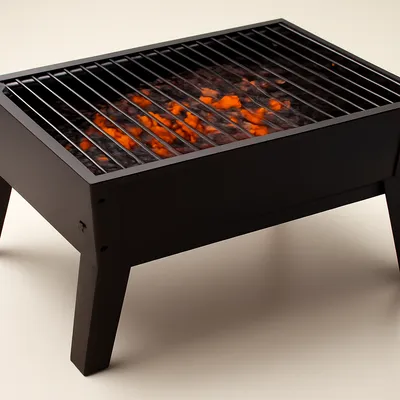
Light pearwood or applewood charcoal in a closed clay oven (a covered Weber kettle works) until coals are grey, around 200°C internal. Hang or set the duck breast-up over a drip tray. Roast 50 minutes — flip halfway only if heat is uneven.
Watch outMonitor the internal temperature to avoid overcooking.
- 55 min
Test with a skewer in the thickest thigh — juice should run clear amber, no pink. If skin is pale, raise heat to 220°C uncovered for the final 5 minutes. Total internal target 78°C in the breast.
Watch outPoke the thickest thigh — juice should run clear amber with no pink; if the skin's still pale, ramp the heat for the last few minutes.
- 610 min
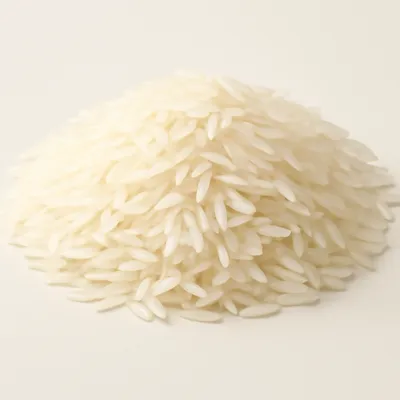
Rest 10 minutes on a rack, breast up. Carve into thick slices through skin and meat together (not separated like Beijing duck). Serve over steamed rice with a spoon of the rendered drippings, plus pickled mustard root on the side.
Watch outAllowing the duck to rest helps retain its juices.
Archive tool suggestions — not reviewed
These legacy suggestions have not been evidence-reviewed and are not presented as required tools.