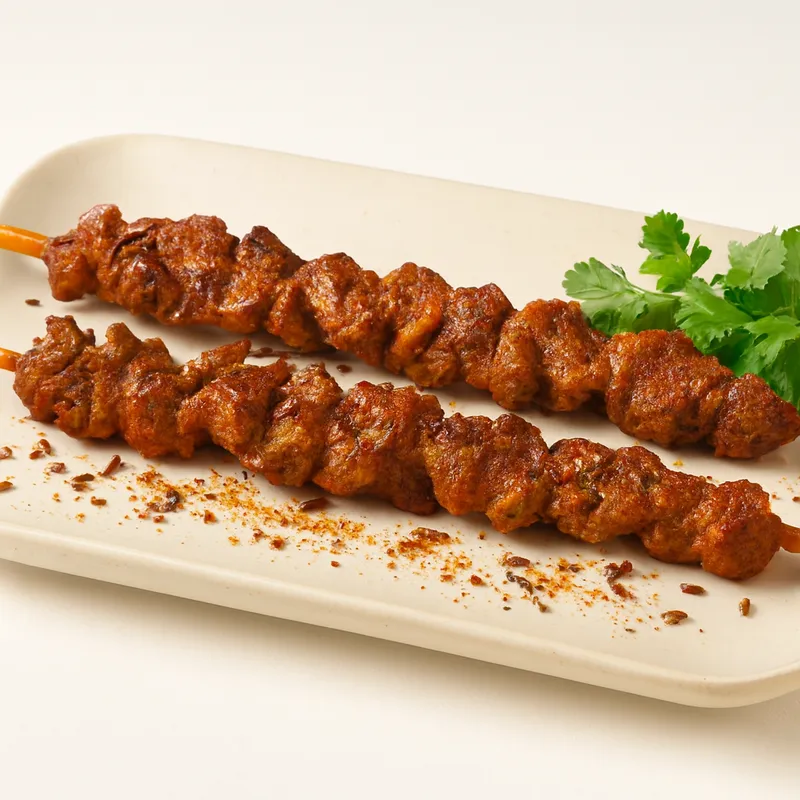
Northern Chinese street food of cumin-spiced lamb threaded on skewers and grilled over charcoal.


The skewer itself comes from Xinjiang Uyghur cooking, where lamb and cumin are pantry staples and skewered lamb is grilled over an open charcoal brazier. The dish migrated east in the 1980s as Uyghur traders set up roadside stalls near Beijing's night markets; by the 1990s chuan'r (串儿) was Beijing late-night food, eaten outside hutong bars. The Beijing version uses smaller cubes and more chili than the Xinjiang original.
Yang rou chuan'r — Xinjiang Uyghur grill tradition that became Beijing's late-night currency. Cumin and chili are not optional; the fat-lean alternation on the skewer is the technical detail.
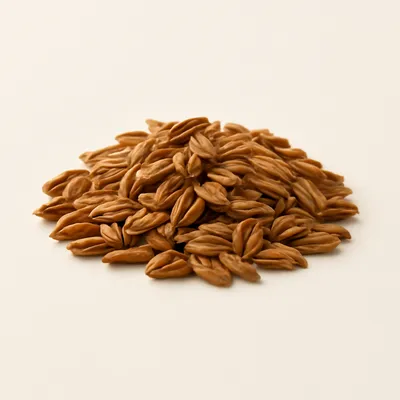
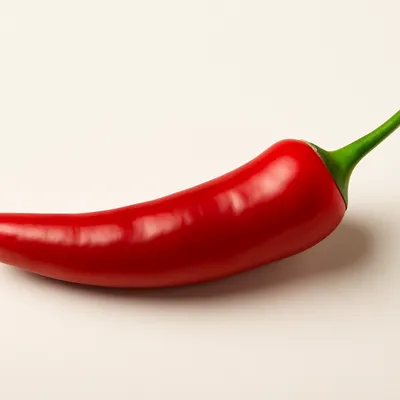
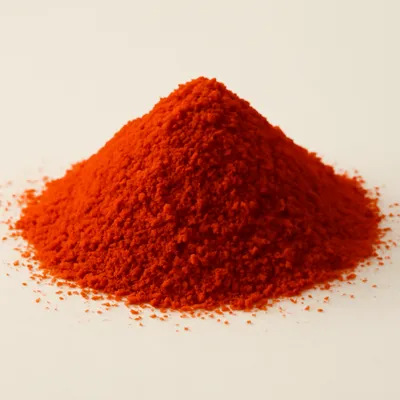
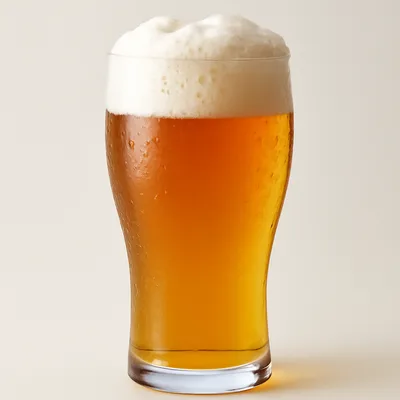
Cubes of fatty lamb threaded on bamboo or iron sticks, charred over open coals until the edges crisp and the fat drips into flame. Cumin and ground chili go on twice — once mid-cook, once at the end — with a heavy hand of coarse salt. Eaten standing up, off the stick, with cold beer. Good ones smell like cumin smoke from a block away.
Cumin is the load-bearing spice, but the lamb fat is what makes it work — alternating fat and lean on the stick means the fat renders down through the lean, basting it from inside. Cooked too lean and it's dry; too fat and it flares the coals into ash. The chili-cumin mix goes on after the surface seals, otherwise it scorches and turns acrid before the meat is done.
Variations
Xinjiang style with cumin and dried chili, skewered on red-willow (hongliu) branches over smokeless coal or saxaul wood; Beijing late-night with ground cumin only; Inner Mongolia version uses thicker chunks and salt only; Lanzhou-style runs lamb-tail-fat skewers (yang you chuan'r).
On the Palate
Where Lamb Skewers sits in the Chinese flavor cloud
Get the fat-to-lean balance on the stick right: alternate fat and lean cubes so the fat renders down and bastes the meat from inside, keeping it juicy over fierce charcoal.
Ingredients


How it's made
4 steps · 26 min
- 110 min
Cut the lamb into bite-sized cubes, about 1 inch each, ensuring even sizes for consistent cooking. Thread the cubes onto skewers, leaving a small space between each piece to ensure even heat distribution.
- 25 min
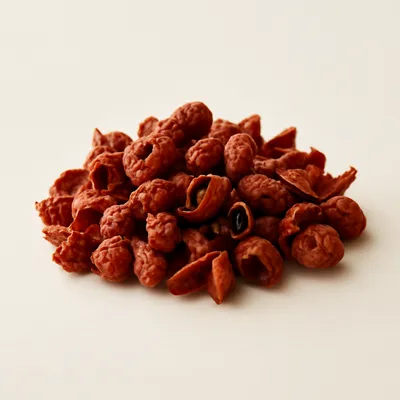
In a small bowl, mix ground cumin, crushed Sichuan pepper, and chili pepper flakes. Sprinkle this spice mix generously over the skewered lamb, pressing gently so it adheres well.
Watch outPress the spice mix so it grips the raw surface, but hold most of it back for after the sear.
- 310 min
Preheat your grill to medium-high heat. Place the skewers on the grill, turning every 2-3 minutes until the lamb is browned and cooked through, with a slight char on the edges, about 10 minutes in total.
Watch outTurn every couple of minutes; you want an even brown crust with just-charred edges, not one blackened face.
- 41 min
In the final minute of grilling, sprinkle sesame seeds over the skewers, allowing them to toast lightly and release their nutty aroma.
Watch outSesame goes on in the last minute only — long enough to toast and smell nutty, not long enough to burn.
Archive tool suggestions — not reviewed
These legacy suggestions have not been evidence-reviewed and are not presented as required tools.
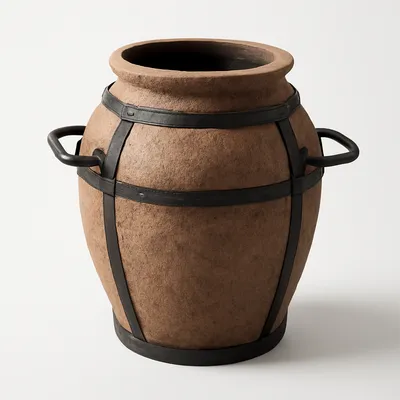
A vertical clay cylinder, 1-1.5 m tall, fired by a charcoal or wood pit at the bottom — the inner walls reach 480°C. Naan dough is slapped against the side and pulls free in 60 seconds, blistered and chewy; chicken on long iron skewers cooks dangling over the embers. Restaurant tandoors are gas-or-electric clones, but the original clay cylinder gives bread an aroma the modern versions can't quite replicate.
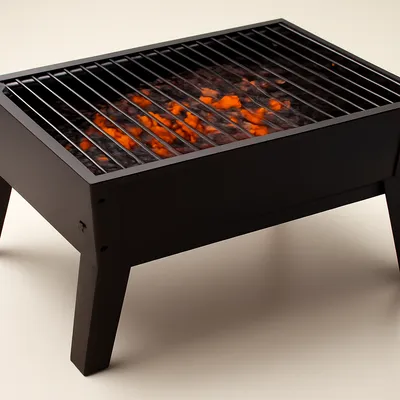
An open or hooded metal frame holding a bed of glowing charcoal embers, with a grate above. Charcoal burns at 700°C+ on the surface and emits short-wave infrared, which cooks proteins faster and with deeper Maillard browning than gas. Hardwood lump charcoal (oak, mesquite, fruitwood) lends its own smoke; cheap briquettes do not. Mastery is mostly heat zoning — direct over coals for searing, indirect off-coals for slow-roasting.