A century-old smoked chicken from the rail town of Goubangzi in Jinzhou, Liaoning, and the most celebrated of China's so-called Four Great Chickens. A whole bird is first cooked through in an aged master stock seasoned with dozens of spices and herbs — cassia, angelica, tangerine peel, amomum and the like — then brushed with sesame oil and finished by sugar-smoking: white sugar is scorched on hot iron until it smokes, glazing the skin a glossy amber-to-jujube red and laying down a sweet, woody smoke aroma. The meat comes out deeply savory, the skin perfumed and faintly sweet, the flesh tender enough to pull off the bone in strands. It is eaten cold as a deli meat and a classic companion to drink.
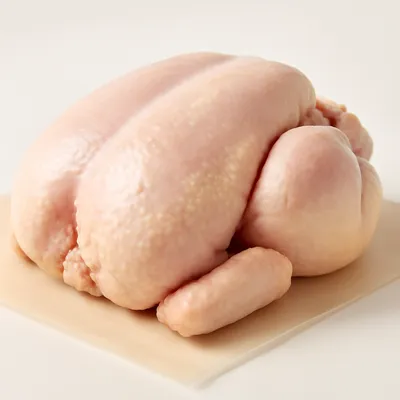
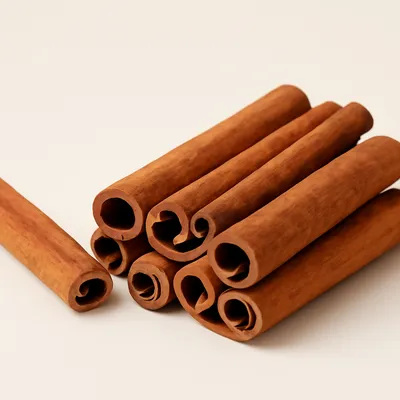


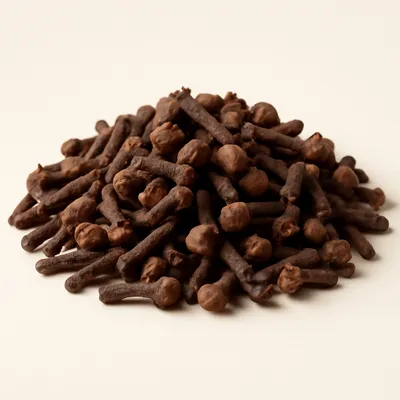
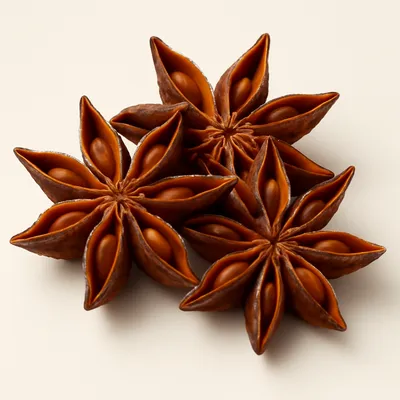
Goubangzi smoked chicken took shape in the late Qing at Goubangzi, a junction town on the road into Manchuria (today in Beizhen, Jinzhou, Liaoning). Two accounts are told. The brand that carries the China Time-Honoured (Zhonghua Laozihao) plaque is the Yin house: by its telling the founder Yin Yucheng — known as 'Fourth Master Yin' — set up his smokehouse in 1889, having been given a palace smoked-chicken recipe by an old imperial cook he had sheltered one snowy night, then refining it with his own hand. A parallel and equally common account credits Liu Shizhong, a smoked-chicken man from Anhui who fled hardship to Goubangzi and, on the advice of an old physician, built up the master stock with cassia, angelica, tangerine peel, amomum and more than a dozen medicinal herbs that aid the appetite and digestion; this version is usually dated to 1899. The craft is today a provincial intangible-cultural-heritage of Liaoning, and the chicken stands beside Daokou roast chicken, Dezhou braised chicken and Fuliji roast chicken as one of China's Four Great Chickens.
The skin reads first: a high, glassy jujube-red varnish, faintly sweet and resinous from the sugar smoke, that you smell before you taste. Underneath, the meat is dark and deeply savoured all the way to the bone — the long steep in the old stock carries the spice into the flesh, not just the surface. It pulls apart in moist strands rather than blocks, tender but never mushy, the breast still holding a little chew and the thigh giving way clean. Eaten cold and a touch firm, with the smoke aroma lifting as it warms in the mouth; a cup of clear spirit alongside is the orthodox way.
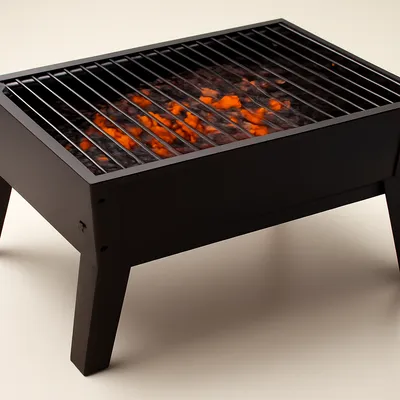
Two stages do the work: a braise in aged stock, then a sugar-smoke. The bird is dressed, bled and cold-aged, steeped briefly in the seasoned master stock, then simmered slowly for about two hours until 'tender enough to pull in strands,' salted when half-done. The stock is the heart of it — a perpetual broth carried over and replenished for generations, thick with dissolved collagen and gelatin and dark with melanoidins built up over countless boilings, which is why a fresh pot of the same spices never tastes the same. Smoking is the signature finish and pure sugar chemistry: the drained bird is brushed with sesame oil, set on a rack over a dry iron pan, and white sugar is thrown onto the red-hot metal where it caramelises and pyrolyses into smoke. That sugar smoke condenses on the oiled skin, and together with Maillard browning lays down the lacquer-red colour and the sweet, woody aroma in two or three minutes under a sealed lid — colour and flavour set in a single move.
Variations
Two long-standing houses anchor the town's reputation — the Yin family brand that holds the time-honoured plaque, and others such as the Yao label recognised among Liaoning's old marques. Recipes diverge mainly in the master stock: the spice roster runs anywhere from a dozen-odd herbs to twenty-some or more, and each house guards its own count and proportions. The smoke can be raised two ways — sugar scorched on hot iron, the classic for the glossy red skin, or sawdust and wood shavings smouldered in a smoke-box for a woodier, drier finish. The same craft is applied to smoked duck and other fowl, and away from Goubangzi factory-packed versions sell nationwide, though purists hold that the colour and aroma of a freshly hand-smoked bird don't survive the vacuum bag.
On the Palate
Where Goubangzi Smoked Chicken sits in the Chinese flavor cloud
Ingredients
Serves 6


How it's made
9 steps · 40 min
- 140 min
Choose a mature hen; dress, bleed and clean it, then cold-age (rest chilled) to firm and de-stiffen the meat.
- 220 min
Truss the bird into a compact shape and rinse; bring the aged master stock with its spice blend up to a simmer.
- 3120 min
Steep the chicken briefly in the seasoned stock, then simmer gently for about 2 hours; add salt when it is half-cooked.
Watch outIt's done when the meat pulls off in clean strands at the joint — muscle up tight to the bone means it needs more time.
- 430 min
Cook on until the meat is tender enough to pull away in strands, then lift the bird out and let it drain and dry.
- 55 min
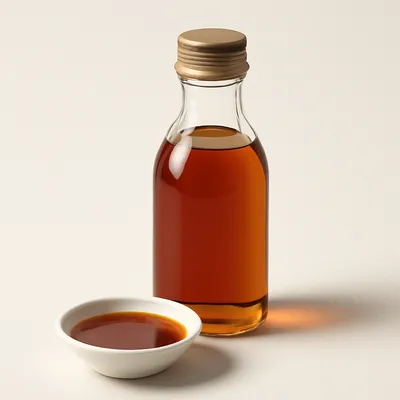
Brush the whole bird all over with sesame oil to help the smoke catch and gloss the skin.
- 68 min
Heat a dry iron pan with a rack until it glows faintly red; sit the bird on the rack.
Watch outWait for the dry pan to glow faintly red before the sugar goes in — too cool and the sugar melts to sticky syrup instead of catching into smoke.
- 72 min
Throw white sugar onto the red-hot pan so it caramelises and smokes; clamp the lid shut for 2 minutes.
Watch outThe white sugar should smoke almost at once and turn amber, not stay white and puddle — lid down fast to trap the smoke.
- 83 min
Turn the bird, reseal and smoke another 2 to 3 minutes until the skin is glossy amber-to-jujube red and smoke-perfumed.
Watch outStop when the skin glosses to jujube-red and smells of smoke — push past it and the sugar smoke turns acrid and bitter.
- 915 min
Lift out and cool; chop into pieces and serve cold as a deli meat, classically with a cup of clear spirit.
Archive tool suggestions — not reviewed
These legacy suggestions have not been evidence-reviewed and are not presented as required tools.