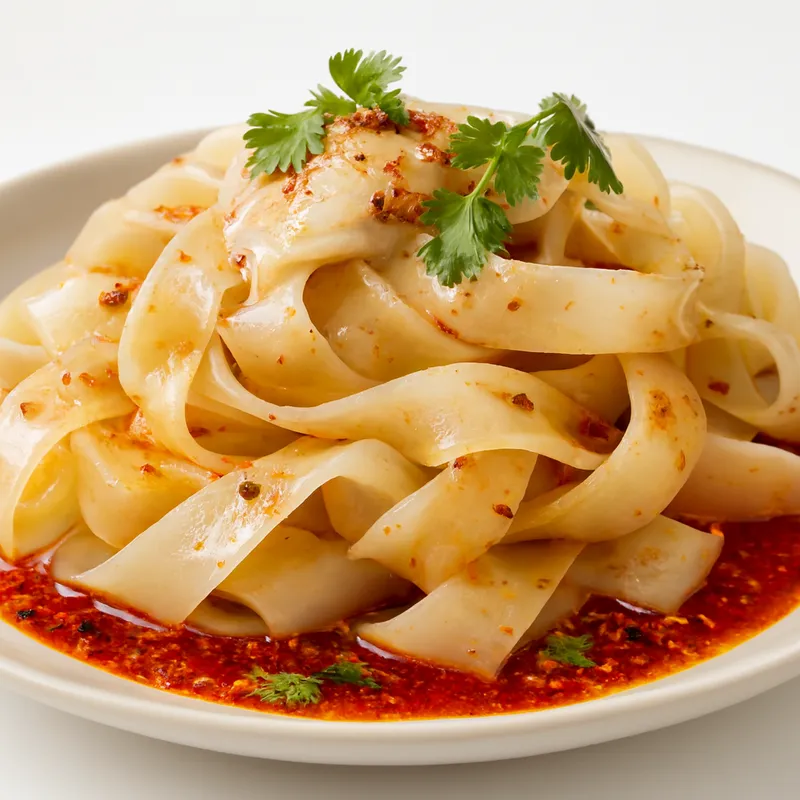
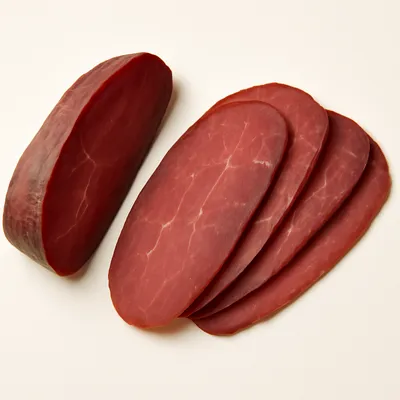
A hot soup-noodle from Baoluo Town in Wenchang, Hainan, and the coarsest of the island's four famous rice noodles. The strands are round, white, and noticeably thick — close to udon — and are made from soaked, milled, extruded rice rather than wheat. They are blanched to order and dropped into a bowl, then dressed with shredded dried beef, fried sour bamboo, crisp peanuts, toasted sesame, garlic oil, pickled greens, scallion, coriander, and a dusting of white pepper, and finished by ladling over a clear, long-simmered pork- or beef-bone broth. Where the better-known Hainan rice noodle of Haikou is fine and eaten dry-tossed, Baoluo noodles are coarse and eaten in broth; the broth is kept faintly sweet to balance the sour bamboo.



Baoluo Rice Noodles take their name from Baoluo Town in Wenchang, Hainan, where the dish arose and from which it spread; in the northern Hainan dialect it is also called 粗粉汤, the 'coarse-noodle soup.' It is counted among the island's 海南四大名粉, the four famous rice noodles, together with the Haikou-style Hainan rice noodle, Wanning's Hou'an noodles, and Lingshui's sour noodles. The dish is popularly said to date to the Ming dynasty, when it is supposed to have already been a noted food of the town and its neighboring villages, but this antiquity is folk tradition rather than documented record, and the often-repeated story that it was sent to the capital as imperial tribute could not be verified and is set aside here. The exact inventor and date are unrecorded.
The first thing you notice is the noodle: round and thick, white and glossy, soft going in but with a real chew, the opposite of the hair-fine Haikou strand. The broth is clear and clean, light and faintly sweet rather than heavy, scented with bone. Around the bowl the dried beef gives a savory chew, the sour bamboo a sharp tang, the peanuts and sesame a toasted crunch, the garlic oil and white pepper a warm lift. A good bowl has a broth that tastes of long-cooked bone but stays bright on the tongue, and noodles that hold their springy thickness in the hot soup; a poor one has a cloudy, greasy or oversweet broth, or noodles gone slack and pasty from sitting too long.
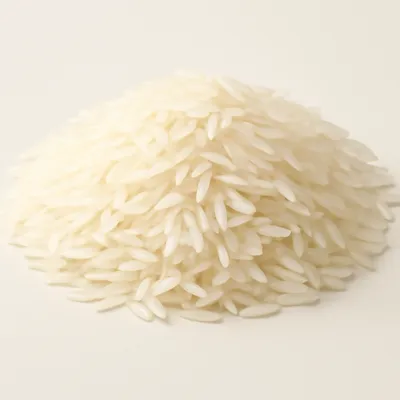
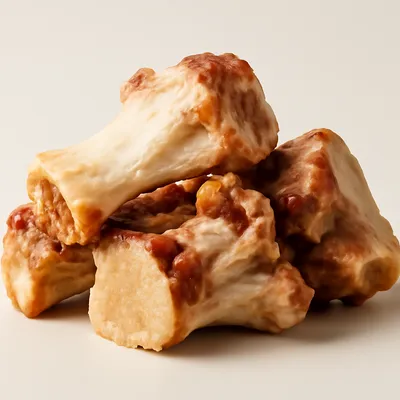
Two things define the bowl: the coarse noodle and the clear broth. The strands are rice, not wheat — the rice is soaked, stone-milled into a slurry, pressed for water, then loosened with a little oil and water and forced through a perforated press straight into boiling water, where it sets the moment it cooks and is lifted out and chilled. Extruding the slurry through a wide die is what gives the round, thick, springy body that udon-like strand carries the broth and toppings without going to mush. The broth is simmered for hours from pork or beef bone and kept clear by skimming the rising scum continuously, a method borrowed from Cantonese clear-stock practice, so that gelatin and savor leach out while the liquid stays limpid rather than turning milky. The faint sweetness is deliberate: sour bamboo is one of the dish's defining toppings, and a slightly sweeter broth is built to round off its acidity so the bowl reads balanced rather than sharp.
Variations
Within the four Hainan noodles, Baoluo stands as the coarse, clear-broth one. The Haikou Hainan rice noodle is fine and classically eaten 腌粉, dry-tossed with a thick fermented-beancurd gravy rather than in soup; Lingshui's sour noodle is a fine strand served cool and sour, heaped with dried seafood; Wanning's Hou'an noodle is a flat strand in a cloudy pork-offal broth heavy with white pepper. Baoluo itself also has a dry-tossed version (腌抱罗粉) in which the same toppings and a thickened sauce are mixed straight into the noodle without soup, but the broth bowl is the traditional form. Cooks differ on whether the stock is mainly pork or beef bone, and on how heavy the dried-beef, sour-bamboo, and chili are; those who like heat stir in a spoon of red chili sauce.
On the Palate
Where Baoluo Rice Noodles sits in the Chinese flavor cloud
Ingredients
Serves 4


How it's made
7 steps · 50 min
- 140 min
Make the noodles: soak good rice, stone-mill it into a smooth slurry, drain off the water in a cloth bag, then loosen with a little oil and water into a thick batter.
- 28 min
Force the batter through a perforated press directly into a pot of boiling water; as the strands cook through they float and set, then lift them out and chill in cold water, keeping them round and thick.
Watch outThe strands should float and firm up the instant they cook through — lift them out right then and chill in cold water, or they overcook and turn gummy.
- 3240 min
Simmer pork and/or beef bones for several hours over low heat, skimming the rising scum continuously so the broth stays clear, then season with salt to a clean, faintly sweet stock.
Watch outKeep skimming the scum off as it rises — that constant skimming over the whole simmer is the only thing that keeps the broth clear instead of muddy.
- 420 min
Prepare the toppings: shred and season the dried beef, fry sour bamboo and pickled greens, fry peanuts crisp, toast sesame, and warm a little garlic oil.
- 52 min
Blanch a portion of the noodles briefly in boiling water just to heat through, then drain well and pile into a bowl.
- 62 min
Heap the dried beef, sour bamboo, pickled greens, peanuts, sesame, scallion, and coriander over the noodles, and drizzle with the garlic oil.
- 71 min
Ladle the boiling clear broth over the bowl, dust with white pepper, and serve hot; add red chili sauce to taste.
Watch outPour the broth over boiling-hot so it scalds the toppings and blooms the aromatics; a lukewarm ladle leaves the bowl flat.
Archive tool suggestions — not reviewed
These legacy suggestions have not been evidence-reviewed and are not presented as required tools.