
A home-style side dish from Xiangxi, the mountainous west of Hunan province. Its base is a mix of sun-dried and pickled greens — chopped dried radish, dried long beans, preserved mustard greens (mei gan cai) and pickled mustard (xue li hong) — soaked, squeezed dry, and chopped fine. The greens are dry-fried hard with minced pork, dried chili and garlic until salty, sour and intensely savory. It is the archetypal Hunan rice-driver: a small heap on the side of the bowl carries a whole meal of plain rice.



A folk dish with no single documented origin or named creator; it grew out of the everyday practice of Xiangxi country households preserving vegetables. In the mountains of western Hunan, fresh greens were seasonal and roads were poor, so families dried radish, beans, mustard and cabbage in the sun and sealed them in glazed earthenware jars to last through the year. Stir-frying a handful of these stored greens with chili made a cheap, keeping, appetite-rousing side. The name simply evokes a grandmother's home cooking rather than any actual person; a common folk association ties it to mothers packing a jar of preserved greens for daughters marrying away, though this is told as lore, not record. Also called wan cai ("ten-thousand vegetable"), it has since become a ubiquitous bottled product and Hunan-restaurant staple.
Dark, glistening, chopped fine and flecked with red chili and pork. It eats salty and savory first, then a clear pickled sourness rises behind it and the chili heat builds slowly. The dried greens keep a firm, chewy bite rather than going soft, and carry a deep dry-fried fragrance. A single chopstickful is enough to drive several mouthfuls of plain rice — that is the whole point of it.
Two preserving steps build the flavor before the wok. Sun-drying and salting both pull water out of the greens by osmosis, lowering water activity so they keep, and concentrating their sugars and savory compounds into a small, intense mass. In the sealed jar, lactic-acid bacteria carried in on the vegetables ferment the residual sugars into lactic and acetic acid — the source of the clean sourness — while building up amino acids and dozens of aroma compounds. The cooking step is dry-frying (bian): the chopped greens are fried over steady heat with minced pork so the rendered pork fat is driven back into the dried fibers, restoring richness the drying took out. Chili and the pork fat then carry the concentrated salt across the palate, which is what makes it such an efficient rice-driver.
Variations
The green mix is never fixed and shifts by household and region — dried radish, long beans and mustard greens are the common core, but cabbage, kohlrabi-style preserved mustard and others all appear. Strictly, authentic Xiangxi versions lean on chili alone and add no meat; the minced-pork (or egg) version is a popular household and restaurant variant. Some cooks add fermented black beans or pickled long beans for extra depth. It should not be confused with Shaoxing mei gan cai, which uses a single mustard variety (jiu tou jie) and tastes milder and more sweet-sour; Xiangxi grandma's vegetable is firmly in the hot, savory Hunan register. Bottled and bagged commercial versions are now widespread, though these are often sweetened.
On the Palate
Where Xiangxi Grandma's Vegetable sits in the Chinese flavor cloud
Ingredients
Serves 4


How it's made
6 steps · 15 min
- 115 min
Soak the dried radish, dried long beans, preserved mustard greens and pickled mustard in warm water for about 15 minutes until pliable, then squeeze them very dry and chop everything fine.
Watch outSqueeze the soaked greens really dry before chopping — leftover water steams the wok and you'll never get the toasted 'bian' fragrance.
- 22 min
Heat a dry wok and toss the chopped greens over medium heat for a minute or two to drive off surface moisture and wake up their fragrance, then set aside.
- 33 min
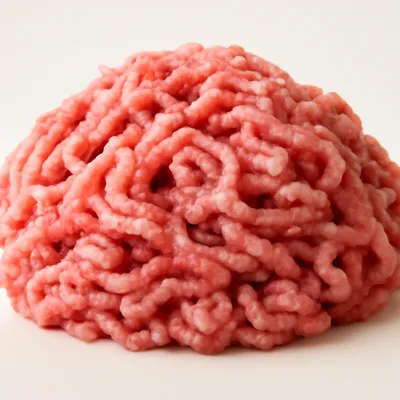
Heat oil and stir-fry the minced pork until it turns white and the fat renders out.
- 41 min
Add garlic and dried chili and fry briefly until fragrant.
- 55 min
Return the chopped greens and dry-fry (bian) everything together over steady heat, pressing and turning, until the pork fat is absorbed back into the greens and the mix smells deeply toasted.
Watch outDry-fry until the pork fat is drunk back into the greens and it smells deeply toasted — that reabsorption is the whole flavor.
- 61 min
Season lightly with salt to taste, give a final toss, and serve as a side with plain rice.


