Nanxi Spiced Dried Tofu is made in Nanxi District, Yibin, from low-fat, high-protein autumn soybeans grown in southern Sichuan, stone-ground with groundwater drawn near the upper Yangtze. The defining craft is 'triple-brining, triple-roasting': pressed curd blocks are cycled three times through a 30-plus-spice soy brine and a drying oven until dense, chewy, and deeply flavored, earning the nickname 'vegetarian ham.' The two flagship styles are five-spice, mellow and warmly aromatic, and mala, which layers Sichuan peppercorn numbing heat over the same rich base. The technique earned recognition on Sichuan's inaugural intangible cultural heritage register in 2007 and national geographic-indication protection in 2008.



Nanxi's spiced dried tofu traces its large-scale production to the Guangxu reign of the Qing dynasty. In 1902, merchant Guo Xiangqing opened a tofu workshop on East Street in Nanxi under the name 'Da Liangxin' (Great Conscience); his meticulous sourcing and rich brine spread the product's reputation across southern Sichuan. By the Republican era the original five-spice variety had expanded to golden-hook shrimp, ham, and other lines recorded in county chronicles. The craft was listed on Sichuan's inaugural provincial intangible cultural heritage register in 2007 and received national geographic-indication protection in 2008. Nanxi has since become one of China's largest dried-tofu production bases, with output valued at over three billion yuan by 2013 and exports reaching more than ten countries.
Pick up a slice and it is surprisingly heavy, faintly glossy, and brick-tinted from the brine. Press a thumbnail in: it pushes back with quiet resilience — this is tofu pressed and dried to the density of a cold cut. Biting through requires real effort, which is the moment the soybean's natural sweetness finally surfaces, chased by the deep layered warmth of star anise and cloves driven into every millimeter by repeated brining. The five-spice version is mellow and savory; the mala version builds toward a spreading lip-numbing finish — the kind that pairs naturally with baijiu or cold beer.
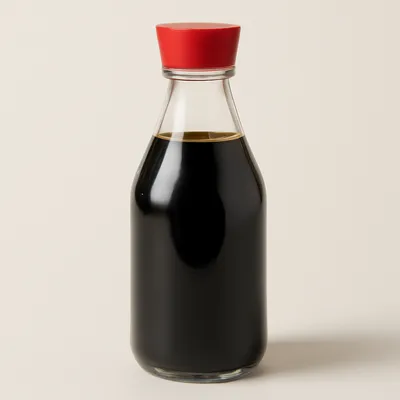
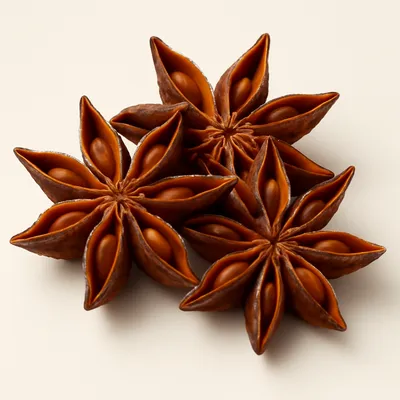
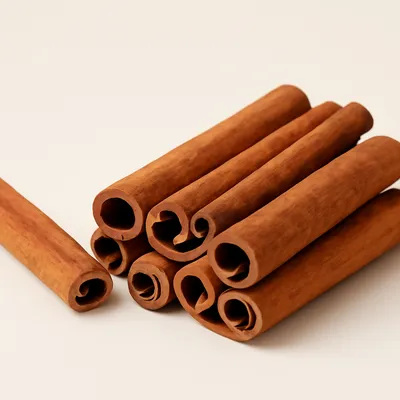
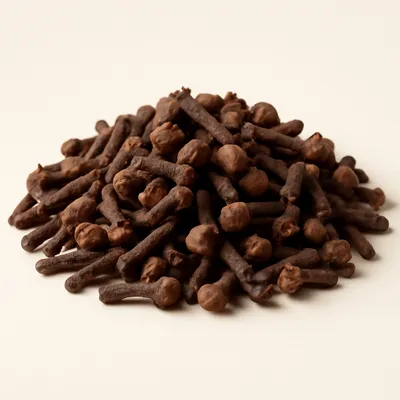
The defining technique is 'triple-brining, triple-roasting' (三卤三烘). After pressing the curd into firm white blocks, they enter a soy-sauce-based brine charged with over thirty aromatics — star anise, cloves, galangal, fennel, cinnamon, black cardamom, white cardamom, and others — then move to a moderate oven to drive off surface moisture. This cycle repeats three times. Each brining pass deepens Maillard reactions at the surface: amino acids from the soy protein and sugars from the brine combine under heat to build the glossy, brick-red flavor crust. Each roasting pass tightens the protein network further, progressively transforming the curd from soft to dense and chewy. The process is enabled by the high water-soluble protein content (at least 34%) of southern Sichuan's autumn soybeans, which gives the curd the structural integrity to survive repeated brining without crumbling.
Variations
Five-spice is the original and most classic style — aromatic, savory, and mellow; it was the first variety produced at scale under Guo Xiangqing's 'Da Liangxin' workshop. Mala amps up Sichuan peppercorn and dried chili in the brine for a persistent numbing heat. Pickled-pepper is brighter and sharply acidic. The golden-hook variety adds dried shrimp to the brine for a sweeter umami note. Modern extensions include chicken-broth and grilled styles, bringing the full product line to over thirty varieties.
On the Palate
Where Nanxi Spiced Dried Tofu sits in the Chinese flavor cloud
Ingredients
Serves 4


How it's made
7 steps · 35 min active + 3 hours 5 min waiting
- 130 min
Press 500g firm tofu under a heavy weight for 30 minutes to expel excess moisture; slice into rectangles about 1 cm thick and 5 cm long.
- 215 min
Combine soy sauce, dark soy sauce, rock sugar, star anise, cinnamon, Sichuan peppercorn, cloves, fennel seeds, and ginger slices in a pot with 400ml water; bring to a boil, then simmer 10 minutes to bloom the spices into the brine.
- 345 min
Add tofu slices to the brine; simmer gently on low heat for 40 to 45 minutes, turning once halfway, until the tofu has absorbed a deep reddish-brown color throughout.
Watch outSimmer the tofu in the brine until it's taken on a deep reddish-brown all the way through, turning once halfway.
- 430 min
Remove tofu, arrange in a single layer on a baking rack, and roast at 160°C for 25 to 30 minutes until the surface is dry and the texture noticeably firmer; rest 10 minutes on the rack.
Watch outRoast until the surface is dry and the block feels noticeably firmer — this tightening is what gives the chew.
- 560 min
Return the tofu to the now-cooled brine and soak for at least 1 hour — or overnight — for deeper flavor penetration.
- 630 min
Remove, pat dry gently, and roast again at 180°C for 20 to 25 minutes until the surface is glossy and the slices feel dense throughout; cool completely on the rack.
Watch outRoast the second time until the surface is glossy and the slice feels dense throughout — dry-firm-glossy is the finish line.
- 710 min
Serve at room temperature as a stand-alone snack or slice thin for a cold platter. Stored airtight, the flavor deepens and mellows over 1 to 2 days.
Archive tool suggestions — not reviewed
These legacy suggestions have not been evidence-reviewed and are not presented as required tools.