
A Hong Kong signature of mud crab cut into pieces, dredged and fried, then stir-fried hard under a heaped mound of deep-fried golden garlic, fermented black beans, dried chili, and scallion, with ginger and a little lemongrass. The defining element is the garlic, fried in small bits until crisp, dry, and pale gold so it scatters over the crab like savory crumbs rather than a paste. It comes to the table fragrant and fiercely spicy, the crab shell coated in the crunchy aromatics, eaten with the fingers. The name comes from the typhoon-shelter boat kitchens of Causeway Bay where it was born.





Typhoon Shelter Crab is named after the typhoon shelters (避風塘) of Hong Kong, the sheltered basins where fishing boats moored out of the wind; Causeway Bay's was the city's first, formed by reclamation in 1883. Among the boat-dwelling 蜑家 (Tanka) people, some sampans operated as floating kitchens, and from the 1960s and 1970s they cooked just-landed crab to order over the water, seasoning it with garlic, fermented black beans, chili, and scallion — pantry staples that kept well aboard a boat. The Causeway Bay version is considered the standard. The Hee Kee (喜記) house traces itself to a boat in that shelter in the 1960s; after the government curbed cooking on the water in the 1980s, such operators moved ashore to stalls near the Goose Neck Bridge (鵝頸橋) and then into restaurants, which is where the dish lives today.
Pick up a claw and the first thing you taste is the garlic — a whole drift of tiny crisp golden grains, toasty and savory, shot through with the funk of fermented black beans and the dry burn of chili. Under it the crab is sweet and just-set, the shell easy to crack, the meat slipping out hot and juicy. Good garlic is dry and shatters between the teeth like fine crumbs and tastes nutty, never bitter; bad garlic is greasy, soft, or scorched dark and turns the whole plate acrid. The dish should be fragrant and oily-glossed but not swimming in oil, and the heat builds steadily rather than hitting all at once.
Everything turns on the garlic, which is cooked in two stages so it ends up crisp instead of burnt. Minced garlic is full of water and of sulfur compounds; if you simply throw it into hot oil the outside scorches before the inside dries, and scorched garlic is bitter. So the garlic is first cooked gently in warm oil — in effect confited at a low temperature — to drive off the moisture without color, then the heat is lifted near the end to crisp it to pale gold and set the nutty Maillard aroma; the window from done to burnt is only seconds, which is why this dish is hard. The crab is dusted with starch and quickly deep-fried first, both to firm the meat and to seal the cut shell so it does not bleed juice into the wok. Fermented black beans add salt and glutamate-rich umami, dried chili and ginger add heat and lift, and a little lemongrass cuts the richness; the fried garlic is folded in last and off-heat so it stays crunchy.
Variations
The most famous house version is Hee Kee's spicy crab (喜記避風塘炒辣蟹), and the same boat-kitchen seasoning is applied across the menu to other shellfish — 避風塘炒蜆 (clams), 避風塘炒蝦 (prawns), 避風塘炒瀨尿蝦 (mantis shrimp). The crab is most often a mud crab or a flower crab; some cooks favor a heavier black-bean note, others lean on more chili and a darker fry. Beyond Causeway Bay the style traveled with Hong Kong restaurants and now appears on Cantonese menus far afield, where a quicker home version simply tosses pre-fried crab with bottled crisp-garlic chili and skips the slow garlic confit.
On the Palate
Where Typhoon Shelter Crab sits in the Chinese flavor cloud
Ingredients
Serves 3

How it's made
7 steps · 35 min active + 5 min waiting
- 110 min
Clean the live crab, remove the top shell and gills, and chop the body into pieces, cracking the claws; pat dry and dust the cut faces lightly with cornstarch.
- 28 min
Peel a large quantity of garlic and chop fine; rinse off the surface starch and squeeze or blot the minced garlic as dry as possible.
- 34 min
Heat oil to about 60% hot and deep-fry the crab pieces briefly until the shell turns red and the meat is just set; lift out and drain.
Watch outFlash-fry the crab in oil at about 60% hot just until the shell reddens and the meat sets — pull it fast, since overcooking here dries the crab out before the final toss.
- 46 min
Lower the oil to warm (about 40-50% hot) and gently fry the minced garlic, stirring constantly, until the water cooks off; raise the heat at the end to crisp it to pale gold, then strain it out at once so it cannot scorch.
Watch outFry the garlic gently in warm oil first to drive off its water without colour, then lift the heat at the very end to crisp it pale gold and strain it out at once — the gap from golden to burnt-bitter is only seconds.
- 52 min
Pour off most of the oil; in the hot wok sizzle fermented black beans, dried chili, ginger, and a little chopped lemongrass until fragrant.
- 62 min
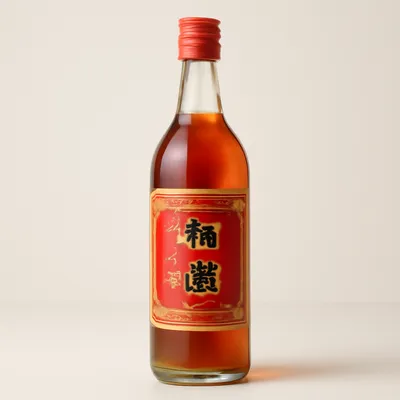
Return the crab, toss over high heat to coat, splash in a little Shaoxing wine and season with sugar and salt.
- 72 min
Kill the heat, add the scallion and the crisp fried garlic, and toss quickly so the garlic stays crunchy; pile onto the plate, garlic and all.
Watch outKill the heat before you fold in the fried garlic and toss fast so the residual heat doesn't soften it — the whole point is garlic that stays crunchy on the crab.


