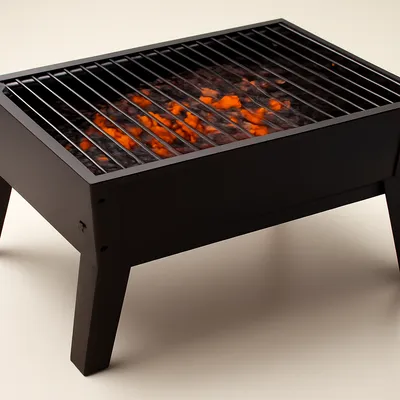
A Hunan village staple from Pingjiang County: tiny river fish slow-roasted in a tea-oil-greased iron wok over wood fire until both sides are golden and semi-dried, then smoked over rice husks and peanut shells to a leathery, intensely savory finish. Eaten straight as a snack or stir-fried with dried chilies, ginger, and purple perilla.



Fire-smoked fish originated in Pingjiang County in northeastern Hunan, where mountain streams and rice paddies yielded abundant small fish year-round. Local accounts consistently identify Pingjiang as the birthplace of this preservation technique, which spread to neighboring counties and then along water routes to Hankou before traveling to other provinces. A folk legend recounted in local gazetteers and tourism records claims that Emperor Zhengde (Zhu Houzhao, r. 1505-1521) tasted the fish during a southern tour and bestowed the name Imperial Fire-Smoked Fish; this story appears widely in Pingjiang sources but lacks independent documentary corroboration and should be understood as local legend rather than verified history. What is well-documented is the fish's cultural depth: it was a staple of the Hunanese soldier's kit on campaigns in northwest China and remains for Pingjiang migrants the most visceral taste of home.
Each fish has a leathery, resilient exterior that yields to a surprisingly moist, flaky center. The smoking lays a faint campfire sweetness underneath the salt and intense fish umami. Eaten alongside plain rice, the concentrated savory punch is wildly disproportionate to the tiny fish's size.
The slow iron-wok roasting phase at around 140-160 degrees C drives off surface moisture through evaporation while the Maillard reaction proceeds gently, creating golden color and roasty aroma without burning the delicate flesh. The subsequent rice-husk and peanut-shell smoke phase deposits phenolic compounds (guaiacol, syringol) from incomplete combustion onto the fish surface; these phenolics have antimicrobial properties that extend shelf life and react with fish-surface proteins to generate the characteristic smoke aroma. The resulting semi-dried, semi-moist texture retains enough intracellular water to keep the flesh tender while reduced water activity inhibits microbial growth during storage.
Variations
Stir-fried version: the most common restaurant preparation, re-fried with dried chilies, ginger strips, purple perilla, and doubanjiang. Chopped fresh chili version: fire-smoked fish topped with Hunan fresh chopped chili and steamed or pan-fried. Plain snack form: lightly salted, eaten cold as a preserved treat with baijiu. Xiangtan simplified version: the smoke step is skipped; wok-roasted fish only, prizing a cleaner, purer fish flavor.
On the Palate
Where Fire-Smoked Dried Fish sits in the Chinese flavor cloud
Ingredients
Serves 4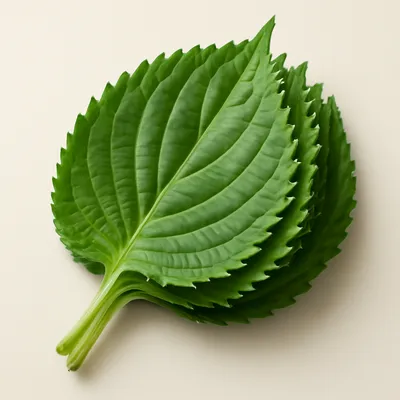
How it's made
7 steps · 20 min
- 120 min
Remove gills and internal organs from small river fish; rinse thoroughly and drain on a rack for 20 minutes until surface moisture is gone.
- 215 min
Rub fish evenly inside and out with salt; rest for 15 minutes to allow the salt to penetrate.
- 32 min
Wipe a seasoned iron wok with a thin layer of tea oil; place over medium-low wood fire or charcoal. Arrange fish in a single, non-overlapping layer.
- 425 min
Roast over low heat for 20-25 minutes on the first side until golden and beginning to firm up; allow wok to cool slightly before carefully flipping each fish intact.
Watch outRoast the first side low twenty to twenty-five minutes to golden and just-firm, then let the wok cool a touch before flipping — flip it hot and the fish tears apart.
- 525 min
Roast the second side for another 20-25 minutes until both sides are evenly golden and the fish are semi-dried but still slightly flexible.
- 690 min
Transfer wok-roasted fish to a smoking rack; burn rice husks, peanut shells, or dried citrus peel below and smoke for 60-90 minutes until fish is deep amber, firm, and leathery.
Watch outSmoke until the fish is deep amber, firm and leathery but still slightly flexible — bone-dry and it loses the semi-moist chew.
- 710 min
Cool completely before storing in an airtight container for up to two weeks, or stir-fry immediately with dried chilies, ginger strips, and purple perilla leaves over high heat.
Archive tool suggestions — not reviewed
These legacy suggestions have not been evidence-reviewed and are not presented as required tools.