
A communal Zhuang banquet of Guangxi served not on plates but on a large round bamboo winnowing tray (簸箕) lined with fresh banana leaves. Around a dozen home dishes are laid out together on the tray — steamed glutinous rice and the festive five-color glutinous rice, local cured pork and stone-slab sausage, free-range chicken or sliced pork, river fish, stir-fried banana blossom, wood-ear salad, stuffed tofu, pan-fried zongzi, roasted peanuts, and a chili-and-garlic dipping sauce — covering meat, vegetable, staple and grain in one spread. The whole tray is carried to the table by two women in Zhuang dress, and diners eat by hand, sharing from the common surface. It is a festive serving format rather than a single recipe, the standard way the Zhuang welcome guests and gather at New Year and at the Sanyuesan (third day of the third lunar month) festival.




The winnowing-basket banquet grows out of everyday Zhuang village life, where the winnowing tray (簸箕) is a basic woven-bamboo farm tool found in every household, repurposed as a shared serving surface. Local Guangxi government and regional sources describe 壮族簸箕宴 as the most representative Zhuang banquet for receiving honored guests, used at festivals and family gatherings to express sharing and reunion. The format is not unique to the Zhuang: the same hand-eaten tray meal is found among the Lisu of Tengchong in Yunnan, where it is likewise called 簸箕宴 (and 手抓饭 / 簸箕饭), and among the Dai, so it is best understood as a broadly southwestern-minority communal format rather than a single ethnic invention. No exact founding date or originator is recorded. Its strongest festive association in Guangxi is the Sanyuesan festival, the Zhuang's foremost holiday, at which the five-color glutinous rice that often appears on the tray is itself a documented century-old tradition.
The first impression is the spread itself: a wide green field of banana leaf crowded with a dozen contrasting colors and textures, eaten with the fingers straight off the tray. The cured pork and stone-slab sausage are firm, smoky and salt-savory; the five-color rice is chewy and faintly herbal-sweet; white-cut chicken is cool and clean; the river fish flakes apart; stir-fried banana blossom and wood-ear bring a crisp, slightly astringent green note; pan-fried zongzi are crusted outside and sticky within. A single chili-garlic dipping sauce ties the savory dishes together and sharpens them. Done well, the leaf stays intact and faintly perfumes the food, the cured meats are dry-firm rather than greasy, and the rice grains are separate and springy. Done badly, the dishes go out lukewarm and run together on the leaf, the sausage is hard and over-salted, and the glutinous rice cools into a dense, gummy lump.
The logic of the format is practical before it is festive. The winnowing tray is flat and wide, so a dozen dishes spread out in a single reachable layer that everyone can share by hand — the shape suits a communal meal far better than stacked bowls. The fresh banana leaf is the working part: its waxy, water-repellent cuticle makes a clean disposable plate that keeps the dishes off the raw bamboo, holds in warmth and moisture, and releases a faint grassy aroma when warm food is laid on it, briefly scenting the spread. The components are deliberately cooked to hold at table temperature and to be eaten with the fingers: cured pork and stone-slab sausage are salt-cured and smoke-dried so they keep and stay firm; chicken and pork are poached white-cut and served cool; glutinous rice is steamed rather than boiled so the grains stay separate and springy and the natural plant pigments of the five-color rice are fixed in the grain instead of leaching into water; the dipping sauce is kept separate so each dish stays distinct. Eating by hand from one tray is the point — the format makes a meal shared rather than portioned.
Variations
What goes on the tray varies by household, season and locale; the format is fixed but the dishes are not. In Baise and other Zhuang areas the spread runs to about twelve dishes and centers on local cured meats — Zhuang sausage, stone-slab sausage, dried cured pork — alongside white-cut pork intestine, stir-fried banana blossom, wood-ear salad, stuffed tofu and pan-fried zongzi, with five-color rice added at festivals. Some tables feature braised dog meat or stir-fried pig-intestine tips; river or pond fish appears where the village has water. The same tray banquet exists beyond the Zhuang: the Lisu of Tengchong in Yunnan serve it as 簸箕宴 / 手抓饭 built on rice, herbs and grilled meats, and the Dai have their own version; within Guangxi neighboring peoples such as the Dong hold a related 百家宴 communal feast on long tables rather than a single tray.
On the Palate
Where Zhuang Winnowing-Basket Banquet sits in the Chinese flavor cloud
Ingredients
Serves 8


How it's made
8 steps · 1 hour 10 min active + 20 min waiting
- 125 min
Cure and air-dry the pork and sausage ahead of time, then steam or grill the cured pork and stone-slab sausage until just heated through and slice them.
- 230 min
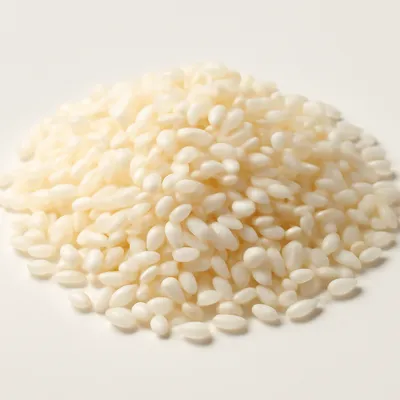
Steam plain glutinous rice and the plant-dyed five-color glutinous rice in a wooden steamer until each grain is cooked and springy.
Watch outSteam the glutinous rice until each grain is cooked and springy — undercooked it stays hard-cored, and the rice is the base everything else sits on.
- 320 min
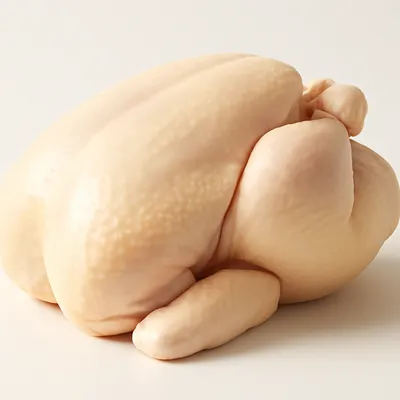
Poach chicken or pork white-cut style and cool it, steam or fry the river fish, and pan-fry the zongzi until the outside is lightly crusted.
- 418 min
Stir-fry the banana blossom, dress the wood-ear as a cold salad, pan-fry the stuffed tofu, and roast the peanuts.
- 55 min
Pound fresh red chili with garlic and mix with soy sauce to make the dipping sauce; spoon it into a small bowl.
- 68 min
Rinse large fresh banana leaves, wipe dry, briefly pass them over a flame or hot water to soften, and line the bamboo winnowing tray completely.
Watch outPass the banana leaves briefly over flame or hot water until they soften and turn pliable — this is what makes them lie flat as a clean plate and release their grassy scent.
- 710 min
Arrange the steamed rice and five-color rice as a base, then lay the cured meats, chicken, fish, vegetables, tofu, zongzi and peanuts around them in contrasting blocks of color.
- 82 min
Set the dipping bowl on the tray, carry the whole winnowing tray to the table, and let everyone share and eat by hand.
Archive tool suggestions — not reviewed
These legacy suggestions have not been evidence-reviewed and are not presented as required tools.


