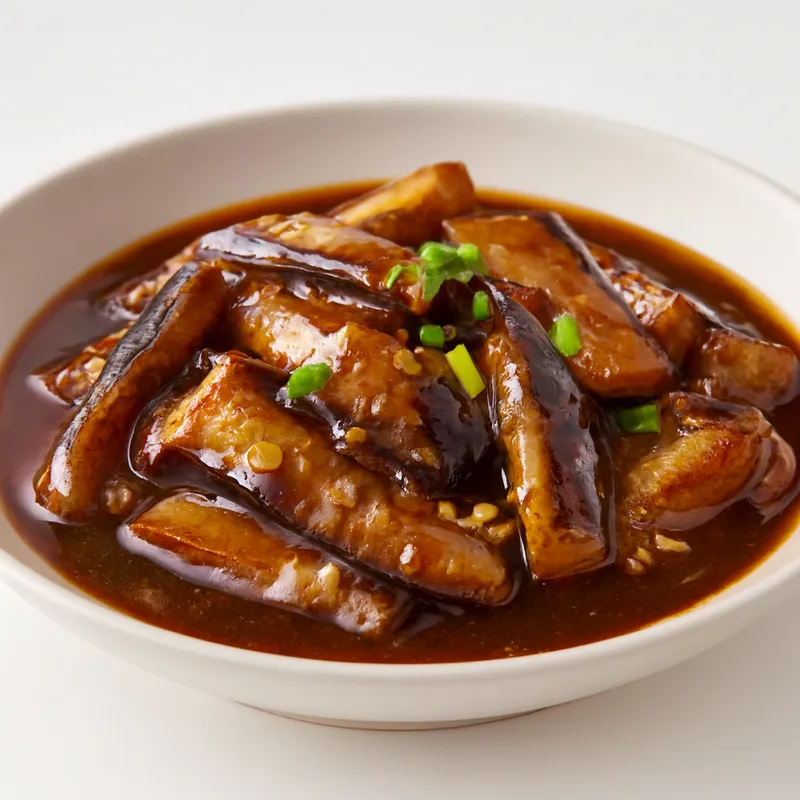
A Teochew steamed kueh of thin, semi-translucent rice-flour skin folded around a stir-fried filling of shredded radish, cabbage, bean sprouts, dried shrimp, and peanuts. Shaped into a crescent or oval and steamed in bamboo baskets, it is one of the most technically demanding of the everyday Teochew kueh — the dexterity needed to press the skin to near-paper thinness without tearing is considered a mark of a skilled Chaoshan home cook.



菜包粿 is rooted in the fishing and farming communities of coastal Chaoshan, where portable steamed food was a daily necessity for laborers at sea or in the fields. One widely repeated folk account places its origin in the Yongzheng reign (1722–1735) of the Qing Dynasty: a mother created these rice-wrapped vegetable parcels to feed her son Wang Tan, a laborer on coastal dike construction; after Wang died defending the dike from a typhoon, the dish became a local memorial food. Whether or not this account is historical, the kueh form — scalded rice flour skin pressed thin and folded around stir-fried filling — is consistent with techniques found across coastal Guangdong and persists in Teochew diaspora communities across Thailand, Malaysia, and Singapore.
Stretchy, lightly sweet rice skin gives gently under the teeth; the filling layers bean-sprout crunch, silky shredded radish, nutty peanuts, and the briny depth of dried shrimp — clean and full-flavored without heaviness.
The skin uses the scalding method (烫面法): boiling water poured onto rice flour partially gelatinizes the starch before kneading, raising the dough's extensibility and reducing brittleness so it can be pressed near-paper-thin without cracking. Stir-frying the filling to near-dryness before wrapping is essential: excess moisture migrates into the skin during steaming and would turn it gummy and opaque, destroying the characteristic translucency.
Variations
Pan-fried version (煎粿): steamed kueh crisped in a thin coat of oil until the base turns golden. A Hakka-influenced variant folds diced 菜脯 (salted radish) into the filling for extra brininess. A coastal Chaoshan variant adds diced dried cuttlefish for maritime depth.
On the Palate
Where Vegetable-Wrapped Rice Kueh sits in the Chinese flavor cloud
Ingredients
Serves 4


How it's made
8 steps · 40 min
- 18 min
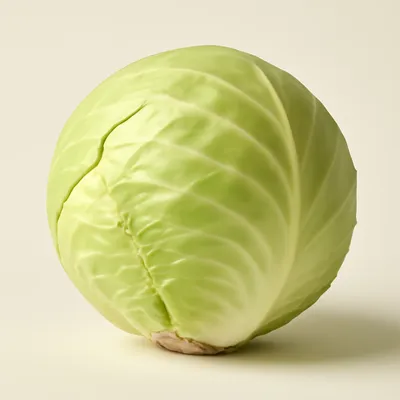
Prepare the filling: shred 150 g white radish, sprinkle with ½ tsp salt, stand 5 minutes, then squeeze out all excess water. Shred 100 g cabbage. Blanch 80 g bean sprouts in boiling water for 30 seconds and drain thoroughly.
- 28 min
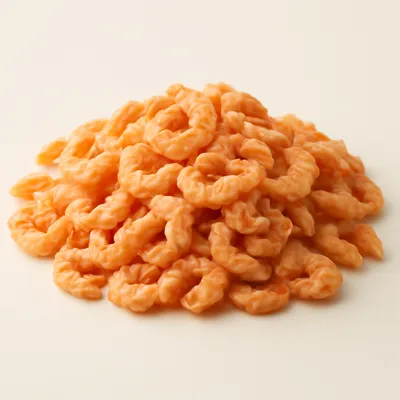
Heat 2 tbsp oil in a wok over high heat. Add 30 g dried shrimp and stir-fry 1 minute. Add all vegetables, 40 g roughly crushed roasted peanuts, and 2 cloves minced garlic. Season with salt and white pepper; stir-fry until the filling is nearly dry. Remove and cool completely.
Watch outStir-fry the filling until it's nearly dry before wrapping — leftover moisture seeps into the skin while steaming and turns it gummy and opaque.
- 33 min
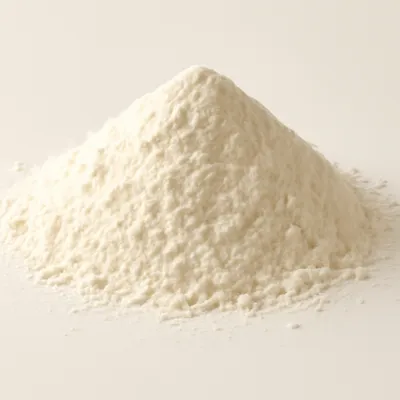
Pour 200 ml boiling water into 200 g rice flour; stir rapidly with chopsticks to form a shaggy mass.
- 415 min
Knead the dough while still warm for 5 minutes until smooth and pliable. Cover with a damp cloth and rest for 10 minutes.
- 510 min
Divide dough into balls of about 35 g each. On a lightly oiled surface, use a moistened rolling pin to roll each ball into a thin oval skin approximately 12 cm long.
- 68 min
Place 2 heaped tablespoons of cooled filling in the center of each skin. Fold the skin over and press edges firmly together, crimping to seal into a half-moon or oval shape.
- 715 min
Line a bamboo steamer with lightly oiled parchment or banana leaf. Arrange kueh with space between each. Steam over high heat for 12–15 minutes.
Watch outSteam twelve to fifteen minutes; the wrappers turn slightly translucent when the starch has set.
- 82 min
Remove from steamer; brush lightly with sesame oil. Serve with soy sauce and chili sauce on the side.
Archive tool suggestions — not reviewed
These legacy suggestions have not been evidence-reviewed and are not presented as required tools.