Two of Tianjin's legendary 冬令四珍—translucent silverfish from the Three-Fork Estuary and coin-sized purple crabs from Beitang Harbour—simmered together over a pickled-mustard-green base into a broth of layered freshness. A seasonal delicacy available only in deep winter when both ingredients are at their peak.

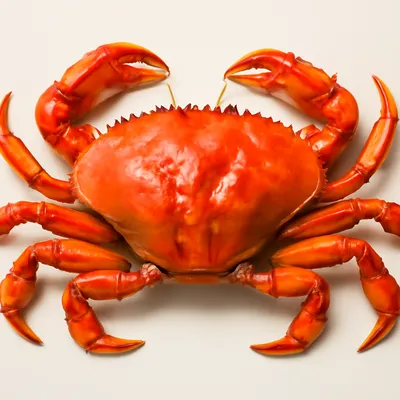



The dish is rooted in Tianjin's celebrated 冬令四珍 (four winter treasures): 铁雀 (iron sparrow), 银鱼 (silverfish), 紫蟹 (purple crab), and 韭黄 (blanched chive). Tianjin records identify the Three-Fork Estuary (三岔河口) as the source of the finest rivermouth silverfish, and the Beitang coastal tidal flats as the habitat of the deep-purple crabs that appear only after 立冬 (around 7 November). The pairing of these two winter jewels in a hotpot was reportedly also favoured at the Qing imperial court. Tianjin writer Feng Jicai is said to have referenced this hotpot in his novel Three-Inch Golden Lotus (《三寸金莲》) as a fixture of a traditional Tianjin winter banquet. In 2018, the China Culinary Association named it one of the ten classic dishes of Tianjin cuisine.
The broth hits first—clean, restrained freshness undercut by the gentle tang of pickled mustard; then a silverfish slides across the tongue, almost textureless, leaving only a cucumber-cool aftertaste. A piece of purple crab follows: yielding thin shell, crab fat that melts almost before you bite, and a sweetness that locks in the umami and lingers.
Silverfish are rich in inosine monophosphate (IMP), a nucleotide that amplifies glutamate-based umami synergistically. Purple crab flesh contributes glycine (sweetness) and glutamic acid (savoury depth). When these two cook together in a clear stock, IMP from the fish and glutamate from the crab combine to produce a broth whose perceived umami intensity is several times stronger than either ingredient alone—the biochemical basis of 一汤三鲜 ('one broth, triple freshness'). The pickled mustard greens (雪里蕻) provide lactic acid from fermentation, which slightly lowers the broth's pH, brightening overall flavour perception and neutralising any residual fishy amine compounds.
Variations
Traditional recipes use pickled mustard greens (雪里蕻) as the base; some modern restaurants substitute sour fermented cabbage (酸白菜). When live purple crabs are unavailable outside Tianjin, small hairy crabs (大闸蟹) are the closest substitute, though the double-shell (双层蟹盖) characteristic of genuine Beitang purple crabs remains the most reliable authenticity marker. A richer version adds thin-sliced pork belly or chicken to the broth for extra body.
On the Palate
Where Silverfish and Purple Crab Hotpot sits in the Chinese flavor cloud
Ingredients
Serves 4
How it's made
7 steps · 20 min
- 15 min
Rinse 200g fresh silverfish gently in cold water without rubbing; drain and set aside.
- 28 min
Clean 4 purple crabs: remove the top shell, discard the gills (dead man's fingers), halve each crab, and crack the claws lightly with the back of a knife.
- 35 min
Rinse 150g pickled mustard greens in cold water to reduce saltiness; squeeze dry and roughly chop.
- 43 min
Heat 2 tablespoons oil in a hotpot or clay pot over medium heat; add ginger slices and stir briefly; add the mustard greens and stir-fry 2 minutes until fragrant.
- 55 min
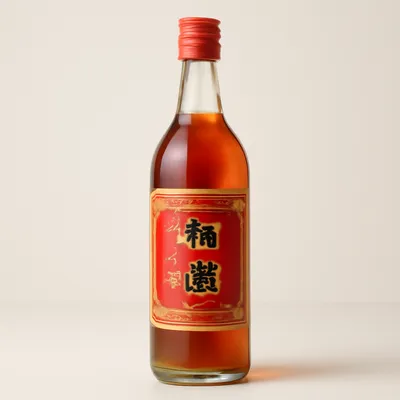
Pour in 1L chicken stock and 30ml Shaoxing wine; bring to a rolling boil.
- 65 min
Add the purple crab pieces; cover and cook over medium heat for 5 minutes until the shells turn red and the broth is richly fragrant.
Watch outCook the crab until the shells turn red and the broth smells rich — this is where the crab's sweetness meets the fish's savor.
- 74 min
Slide in the silverfish gently; simmer uncovered 2–3 minutes until the fish turn opaque; season with salt to taste and serve the hotpot at the table over a low flame, ladling broth and ingredients into individual bowls.
Watch outSlide the silverfish in gently and simmer just two to three minutes to opaque — stir hard or over-boil and they break into shreds.
Archive tool suggestions — not reviewed
These legacy suggestions have not been evidence-reviewed and are not presented as required tools.