
Pork-Tripe Chicken Soup, also called 胡椒猪肚鸡 or 猪肚包鸡, is a warming Hakka tonic in which a whole chicken is stuffed inside a thoroughly scrubbed pork tripe, the tripe skewered or sewn shut, then long-simmered or double-boiled with a generous fistful of white peppercorns and often codonopsis, red dates and goji berries. At the table the tripe is lifted out and sliced, the chicken pulled apart, and everyone drinks the peppery, faintly milky broth. White pepper is the soul of the bowl — it warms the middle and drives off cold — which is why the soup is prized in winter and during postpartum confinement. Cleaning the tripe with salt, flour and vinegar to strip its gamey smell is the make-or-break first step.
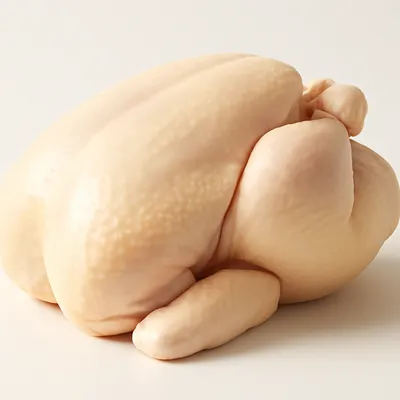

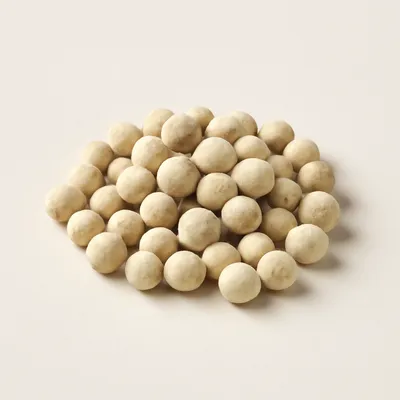



Pork-Tripe Chicken Soup is a Cantonese-system Hakka classic of eastern Guangdong, long popular as a home dish and a banquet soup across Huizhou, Heyuan and Meizhou. A widely-repeated Qing-dynasty legend credits its invention to the imperial kitchen, which is said to have reworked a folk postpartum chicken soup for a weakened concubine by sealing the bird inside a pork tripe with tonic herbs; the Qianlong emperor is then said to have given it the poetic name 凤凰投胎, 'phoenix reborn.' That tale is a legend rather than firm record, and the dish is claimed across both the Hakka and the broader Cantonese Guangfu kitchens, so no single inventor should be overstated. What is reliable is its standing as a regional warming tonic — eaten in winter and confinement to settle and warm the stomach — and its modern spread in hotpot form, where the peppery tripe-and-chicken broth becomes the soup base.
The first thing is the pepper: a clean, building heat at the back of the throat that warms rather than burns, with the bright, woody aroma of white peppercorns rather than chilli fire. The broth is pale and slightly milky, deeply savoury from chicken and tripe with a sweetness drawn out by red dates and codonopsis. The tripe slices are tender with a gentle chew; the chicken falls easily from the bone, soaked through with pepper. It drinks hot and comforting, leaving the stomach warmed and the brow lightly damp.
Two things make or break the soup: cleaning the tripe and treating the pepper. Raw tripe carries a strong odour from mucus and residue; rubbing it hard with flour grips and lifts the slime, coarse salt scours the surface, and a final rub with vinegar neutralises the gamey smell, each step rinsed until the water runs clear. The pepper is best lightly cracked and bloomed in a little hot oil with ginger before liquid is added — gentle heat draws out piperine and the volatile aromatics that give white pepper its warming pungency, so the broth tastes round rather than raw. From there it is a long, low simmer or a sealed double-boil: collagen in the tripe and chicken skin slowly converts to gelatin, which both tenderises the tripe and emulsifies into the liquid, giving the broth its faintly milky body and lip-coating richness. The chicken goes in later than the tripe so it does not overcook before the tougher tripe is tender.
Variations
There are two main builds. In the stuffed form (猪肚包鸡) the whole chicken sits inside the sewn tripe and the parcel is simmered intact, then cut at the table; in the simpler casserole form (胡椒猪肚鸡) the tripe is sliced and the chicken jointed, and both are stewed together in a clay pot. Cooks choose between a long stovetop simmer in a sand pot and a sealed double-boil over water for a clearer broth. The tonic additions vary — codonopsis, red dates, goji and Chinese yam are common, with astragalus or polygonatum in heavier tonic versions — and the pepper can be cracked for more heat or left whole for a rounder warmth. In recent decades the dish has become a popular hotpot, the spent tripe-and-chicken broth serving as the base for further cooking, and it is claimed warmly by both Hakka and wider Cantonese cooks.
On the Palate
Where Pork-Tripe Chicken Soup sits in the Chinese flavor cloud
Ingredients
Serves 6How it's made
6 steps · 40 min
- 115 min
Rub the pork tripe hard with flour to lift the slime, scour with coarse salt, then rub with vinegar; rinse repeatedly until the water runs clear.
Watch outRub the tripe with flour, then salt, then vinegar, rinsing until the water runs clear — skip any step and the finished soup carries a gamey off-smell.
- 25 min
Blanch the tripe and the whole chicken briefly in boiling water to remove scum, then rinse.
- 310 min
Lightly crack the white peppercorns and stuff the seasoned chicken, ginger and pepper inside the tripe; skewer or sew the opening shut.
- 45 min
Bloom extra ginger and a little cracked pepper in oil in a clay pot, then add plenty of water and bring to a hard boil.
Watch outBloom the cracked white pepper in a little hot oil before adding water — gentle heat draws out the piperine so the broth tastes round and warming, not raw.
- 5120 min
Lower in the stuffed tripe with codonopsis and red dates; cover and simmer gently for about two hours until the tripe is tender.
- 65 min
Add the goji berries near the end, then lift out the tripe, slice it, pull the chicken apart, season the broth with salt, and serve hot.
Archive tool suggestions — not reviewed
These legacy suggestions have not been evidence-reviewed and are not presented as required tools.


