One of Shaanxi's ten most famous dishes and a classic of Guanzhong banquets. Pork belly is boiled, brushed with honey and deep-fried until the skin blisters into 'tiger skin', then sliced, packed skin-down into a bowl over fermented glutinous rice, rock sugar, candied dates and raisins, and steamed for two hours until amber-translucent, meltingly soft and sweet without being cloying.



Zao rou is a traditional banquet dish of the Guanzhong plain and one of Shaanxi's ten most famous dishes, a title awarded jointly by the China Cuisine Association and Shaanxi's provincial commerce authority. The 'zao' in its name refers to laozao, sweet fermented glutinous rice, the ferment that gives the dish its defining aroma and sweetness. Rural Guanzhong feasts revolve around the 'Eight Great Bowls', a set balancing savoury and sweet steamed dishes, with the sweet bowls traditionally closing the meal, and zao rou stands foremost among them: at New Year, weddings and funerals, hosts would steam whole baskets of pork and invert one bowl per guest as an emblem of abundant hospitality. China's tradition of cooking with fermented-grain lees to build aroma runs deep, and Shaanxi's zao rou belongs to that lineage while remaining a distinctly Guanzhong sweet steamed bowl. Shaanxi province has in recent years issued local technical standards formally documenting the selection and preparation of zao rou. Household ratios of sugar and salt are still largely passed down by word of mouth.
Lifted with chopsticks, each slice quivers on the verge of collapse. The skin is jelly-soft, the fat steamed through until its richness is wholly released yet never greasy, the lean meltingly tender; the wine warmth of the fermented rice and the honeyed sweetness of candied dates seep out in waves, leaving a lingering sweetness on the palate — for the people of Guanzhong, the taste of New Year.
Two stages of heat define the texture. In the initial deep-fry, surface moisture in the skin flashes to steam and swells the collagen layer into a field of tiny blisters, the 'tiger skin', while the honey glaze drives a Maillard reaction between reducing sugars and amino acids that turns the skin reddish-brown. Then comes two hours of moist steaming, during which collagen in the skin and connective tissue hydrolyses into gelatin; this is why the dish sets like jelly when cool and turns translucent when hot, and why it reads as rich but never greasy, since gelatin coats the palate quite differently from fat itself. The laozao, fermented by Rhizopus moulds and yeasts, carries ethanol, esters and reducing sugars: under steam its ester aromas migrate into the meat while its sugars deepen both colour and sweetness, supplying the dish's signature flavour.
Variations
The most common version is hongzao zao rou, steamed with large red dates for a deeper jujube fragrance and a crystal-clear finish, the form that appears on the Ten Famous Dishes of Shaanxi list. A simpler method skips the deep-fry, braising the pork to doneness before steaming so the skin stays unblistered and especially soft. Cooks in northern and southern Shaanxi who prefer a heavier hand cut the sugar, add salt, or tint the dish with a little soy sauce. After steaming, the rendered juices are often poured off, lightly thickened and spooned back over the meat for a glossier sheen.
On the Palate
Where Shaanxi Wine-Lees Steamed Pork sits in the Chinese flavor cloud
Ingredients
Serves 6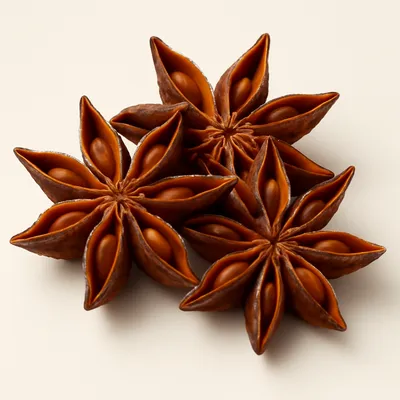
How it's made
7 steps · 40 min
- 125 min
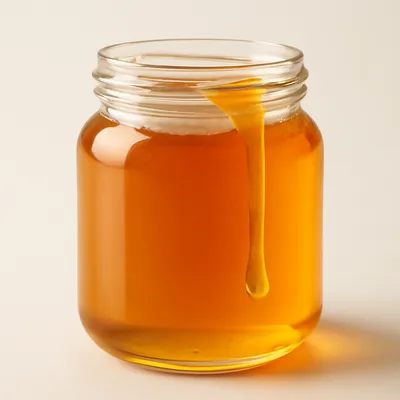
Simmer a 1.5 kg piece of skin-on pork belly in water until about 70 percent cooked, around 25 minutes; lift out, pat the skin dry and brush it all over with honey.
Watch outPat the skin bone-dry before brushing honey — any water left and the honey slides off and the skin won't blister evenly in the oil.
- 212 min
Heat oil to about 180°C and lower the belly in skin-side down (stand back, it spatters), frying until the skin blisters and turns reddish-brown, then plunge it into hot water for a few minutes so the skin softens into 'tiger skin'.
Watch outLower it skin-down and stand back — it spatters hard; fry till the skin blisters reddish-brown, then straight into hot water so those blisters relax into tiger skin.
- 320 min
Braise the belly briefly in a seasoned stock of soy sauce, star anise and a splash of baijiu to carry flavour into the meat, about 20 minutes.
- 48 min
Cut into even 0.5 cm slices and arrange them neatly skin-side down, fanned out, in a deep heatproof bowl.
- 55 min
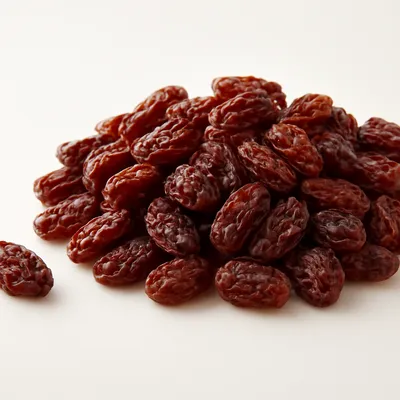
Spoon fermented glutinous rice over the meat with rock sugar, candied dates, raisins, a splash of baijiu and a pod of star anise.
- 6120 min
Steam over high heat for 2 hours, until the pork is translucent and yields to the lightest touch.
Watch outSteam a full 2 hours until the pork turns translucent and quivers at the lightest touch — rush it and the fat stays firm instead of melting to jelly.
- 78 min
Pour off the juices, invert the bowl onto a plate so the meat domes skin-up, thicken the juices into a light glaze and spoon it back over the top.
Archive tool suggestions — not reviewed
These legacy suggestions have not been evidence-reviewed and are not presented as required tools.


