A staple Yanbian Korean side dish: hand-torn bellflower root is salt-kneaded until its bitterness is drawn out, then dressed with chili powder, garlic, sesame oil, and rice vinegar into crisp, spicy, lightly earthy strands. Inseparable from the Korean folk song that Yanbian people have sung since childhood.




Bellflower root (Platycodon grandiflorus) has been foraged and eaten on the Korean peninsula for over a millennium. Its most resonant cultural expression is the folk song Doraji Taryeong — an ancient folk ballad of uncertain antiquity, its origins traditionally placed somewhere in the Goryeo era by folk tradition though no dated written record fixes this, and still performed at festivals throughout Yanbian today. Korean settlers arrived in the Yanbian basin from the late 19th century following the Qing government's 1881 settlement decree; they brought the doraji tradition into a region where wild bellflower grows abundantly across the Changbai Mountain foothills. The Yanbian style was adapted using local dried chili rather than the heavier gochujang pastes of the peninsula, producing a lighter, more vinegary side dish suited to the northeastern preference for clean, sharp flavours. Large batches are prepared and stored in crocks as a year-round condiment alongside kimchi.
Pull a strand apart: it resists briefly with a celery-like snap, then dissolves into a faintly mineral, pleasantly bitter chew overlaid with chili heat and sesame fragrance. The interplay of cool bitterness and warm spice is the whole point of the dish.
Bellflower root's bitterness is carried by platycodins — triterpenoid saponins concentrated in the root's outer layers and vascular tissue. Salt applied during kneading creates an osmotic gradient that draws intracellular fluid (and dissolved saponins) toward the surface; vigorous mechanical kneading simultaneously ruptures cell walls, accelerating saponin release into the wash water. Repeated cold-water rinsing flushes these water-soluble saponins away. Intact pectin in the cell-wall matrix maintains the root's crunch throughout the process. In the final dressing, capsaicin binds to thermoreceptors on the tongue to trigger heat perception; allicin from fresh garlic volatilises rapidly to produce its characteristic pungent top note. The same platycodin saponins responsible for bitterness have documented expectorant effects — making the root both a food and a folk medicine in Korean culinary tradition.
Variations
Dried bellflower root (rehydrated for 5–8 hours) is used through winter when fresh root is unavailable. A mild white-sesame version omits chili entirely. Some households lightly ferment the root for 3–5 days in salt brine before dressing, yielding a tangier, kimchi-adjacent flavour. Carrots, bracken fern (蕨菜), or cucumber can be mixed in for a multi-root salad.
On the Palate
Where Yanbian Bellflower Root Salad (Doraji Muchim) sits in the Chinese flavor cloud
Ingredients
Serves 4

How it's made
7 steps · 30 min
- 15 min
Rinse fresh bellflower roots under cold water; trim off any soft or discoloured ends. Hand-tear each root lengthwise into strips 3–4mm wide — tearing along the grain produces a rougher surface that holds dressing better than knife-cut pieces.
- 210 min
Place strips in a large bowl; add 2 tablespoons of coarse salt and knead vigorously for 8–10 minutes until the roots release abundant liquid and turn slightly translucent.
Watch outKnead the roots hard with coarse salt until they weep liquid and turn slightly translucent — that's the bitter saponins being drawn out.
- 315 min
Rinse under cold running water and squeeze dry; repeat the salt-knead and rinse cycle 2–3 more times until the bitterness has noticeably diminished when you taste a small piece.
Watch outRepeat the salt-knead-and-rinse until a tasted piece is noticeably less bitter — one round isn't enough to flush it clean.
- 42 min
Squeeze the roots firmly in a clean cloth or between both hands to remove as much moisture as possible; arrange in a mixing bowl.
- 53 min
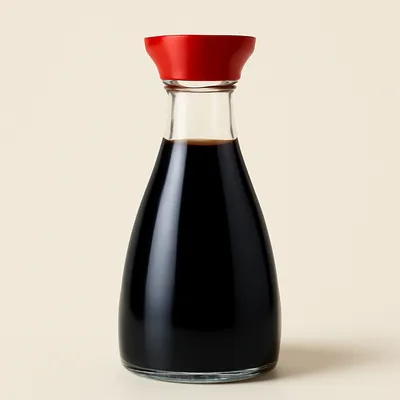
Add Korean chili powder (or ground dried red chili), minced garlic, rice vinegar, light soy sauce, and a pinch of sugar; toss to distribute evenly.
- 62 min
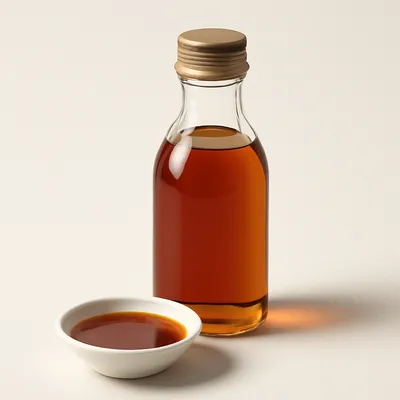
Drizzle sesame oil over the top and toss once more, massaging the dressing firmly into each strand until every piece glistens.
- 715 min
Sprinkle toasted sesame seeds; taste and adjust salt, acid, and heat. Rest at least 15 minutes before serving — refrigerating overnight deepens the flavour.
Archive tool suggestions — not reviewed
These legacy suggestions have not been evidence-reviewed and are not presented as required tools.