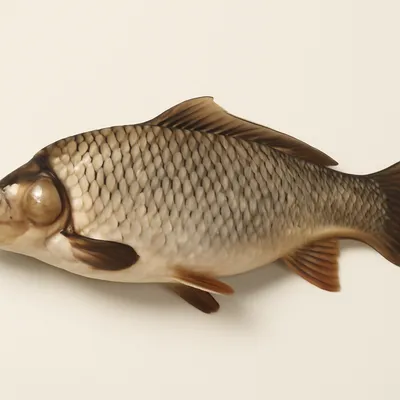
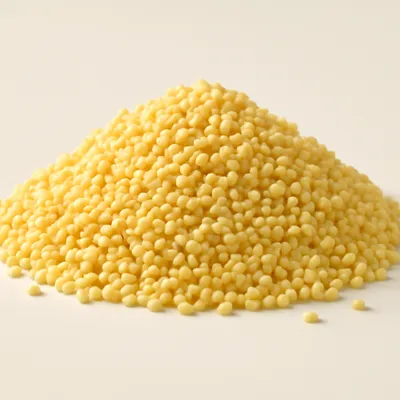
Baiyangdian smoked fish is the defining preserved specialty of the great wetland lake south of Baoding — freshwater bream, carp, and crucian carp are spice-cured overnight, steam-set, pan-fried, and then cold-smoked over a mixture of fruit-wood sawdust, white sugar, and millet. The finished fish is burnished amber-red, firm yet yielding, and keeps for days in summer heat without refrigeration.


Baiyangdian is one of North China's largest freshwater lake systems, sustaining dense fishing communities throughout the Ming dynasty (1368–1644). As catches regularly exceeded immediate consumption, lake-area residents developed smoking techniques to preserve surplus fish through the summer — a practice that eventually divided into distinct eastern, southern, and western regional schools. The eastern school, centered on Zhaobeikou and Quantou villages in Anxin County, became most closely associated with smoked fish. During the Qing dynasty, Kangxi and Qianlong emperors made repeated visits to Baiyangdian for water hunts and left numerous poems about the lake; fish culture flourished under imperial patronage, and local fish products were reportedly counted among regional tribute foods. Today Zhaobeikou and Liucun villages remain the most celebrated production centers.
Lifting a smoked bream by the tail without it breaking is the first test — if the fish holds its shape, it is done right. The skin is burnished gold-red and dry to the touch, fragrant with sweet woodsmoke; beneath it the flesh is dense and resilient, parting cleanly from the bone, with a sweetness from the smoking millet and a warm spice note from the overnight cure.
The four-stage process — brine cure, steam, pan-fry, smoke — serves distinct technical purposes. Salt curing draws free moisture from muscle fibers via osmosis, reducing water activity and suppressing microbial growth. Steaming at 65–70 °C denatures myosin proteins, setting structure without toughening connective tissue. Pan-frying initiates Maillard browning at the surface, creating a firm outer crust. Smoke deposition from fruit-wood lignin pyrolysis produces guaiacol and related phenolic compounds that form an antimicrobial surface film; caramelization of white sugar and carbonization of millet generate the characteristic amber glaze and sweet-smoke aroma. Together the low water activity and phenolic coating explain the five-day ambient shelf life in summer heat.
Variations
Large fish varieties — carp, silver carp, black carp — are split lengthwise before smoking to ensure thorough smoke penetration; small fish such as yellow croaker and silver-stripe fish are smoked whole. Some households skip the pan-frying step for a softer texture. A soy-braised variant popular in Anxin County town adds dark soy sauce to the marinade, producing a deeper color and more savory glaze.
On the Palate
Where Baiyangdian Smoked Fish sits in the Chinese flavor cloud
Ingredients
Serves 4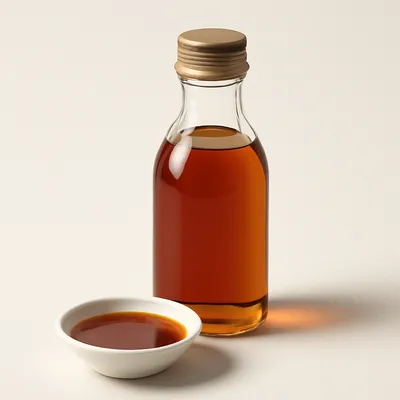

How it's made
7 steps · 30 min
- 130 min
Scale, gut, and rinse fresh bream or carp thoroughly; score the flesh diagonally on both sides at 1 cm intervals; drain on a rack for 30 minutes.
- 2360 min
Rub fish generously inside the cavity and across the scored flesh with salt and Sichuan peppercorns; refrigerate and cure for at least 6 hours (overnight for fish over 500g).
Watch outCure a full six hours or overnight — this draws the moisture out so the flesh sets firm in the steam instead of falling apart.
- 38 min
Remove fish from the cure and rinse lightly; place on a steaming rack; steam over high heat for 8 minutes until the flesh just sets and turns opaque at the score lines.
- 46 min
Heat vegetable oil in a wok until very hot; pan-fry fish on each side for 3 minutes until the skin turns golden and firms into a crust; remove and drain on a rack.
- 55 min
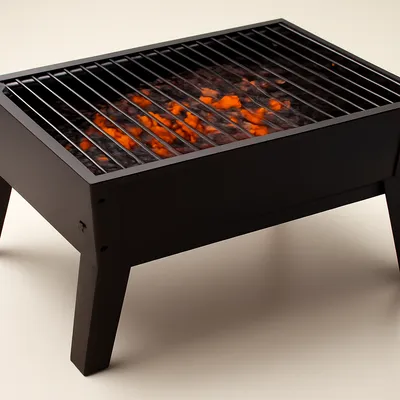
Mix fruit-wood sawdust, white sugar, and raw millet in a 2:1:1 ratio; spread evenly on the base of a smoking wok; position a rack above; arrange pan-fried fish on the rack; cover the wok tightly.
- 612 min
Heat over medium flame until dense smoke rises; smoke for 10–12 minutes, turning the fish once halfway through, until skin turns amber-red.
Watch outSmoke over medium until the skin turns amber-red, turning once — chase it too dark and the smoke goes acrid and bitter.
- 75 min
Remove fish and allow to cool completely; brush with sesame oil before serving; may be served at room temperature or chilled.
Archive tool suggestions — not reviewed
These legacy suggestions have not been evidence-reviewed and are not presented as required tools.