A 15kg lamb on a vertical spit over charcoal for four hours — Hui-Muslim wedding centerpiece, carved tableside.


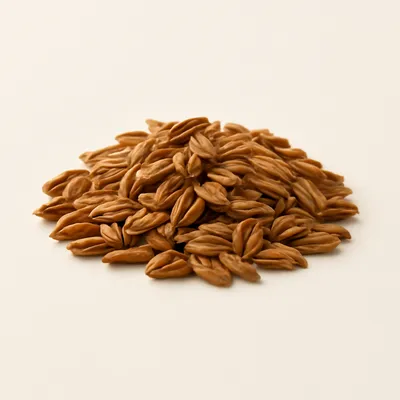
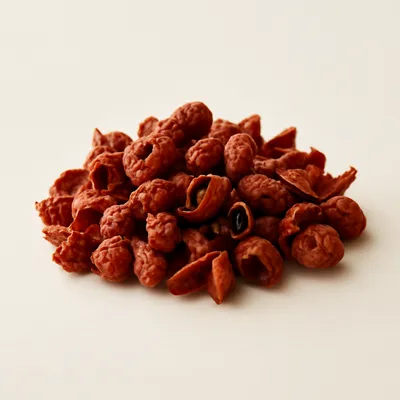
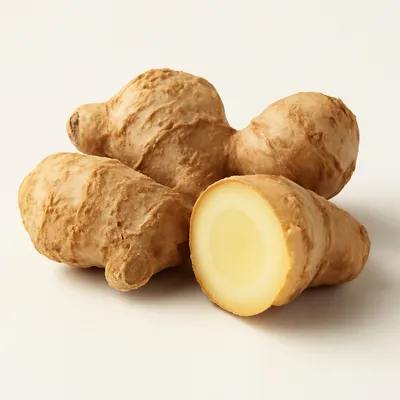
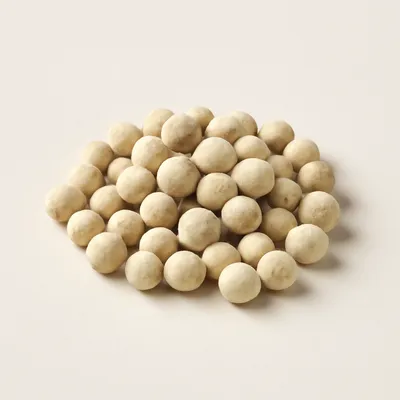
Whole-roast lamb is shared across Inner Mongolia, Xinjiang, Ningxia, and Gansu — each region's version diverges by spice and fat handling. Gansu's Hui-Muslim version leans heavier on cumin and sand ginger and lighter on the mutton-fat saucing common further north, reflecting Silk Road spice access. The dish is wedding and Eid centerpiece food, never weeknight cooking — an entire animal asks for an entire community.
Wedding and Eid centerpiece across Inner Mongolia, Xinjiang, Ningxia, and Gansu. Gansu's Hui version runs heavier on cumin and sand ginger and lighter on mutton fat saucing. The 4-hour pre-air-dry is what vitrifies the skin into glass-shatter texture.
First piece is always the skin — shattering between teeth like glass, with a thin under-layer of melted fat. Then loin meat, which pulls in long fibers, smoke at the edges and rosy at the center. Cumin and sand ginger sit on the meat without overpowering. Dip lightly in cumin-salt; bite of raw onion to cut the fat. If the skin is leathery instead of crackling, the lamb wasn't dried long enough.
The 4-hour pre-air-dry is the load-bearing step, not the spice rub. Wet skin steams instead of crisping; even at 180°C, surface moisture has to evaporate before the skin can dehydrate enough for the protein-collagen network to vitrify into that glass-shatter texture. Vertical spit positioning matters too: heat radiates evenly without flame contact, and rendered fat drips down the lamb's own back, self-basting the ribs and saving the cook from burning sugary glazes.
Variations
Inner Mongolian version uses minimal spice and herder-style salting; Xinjiang's version goes heavier on whole cumin and chili; Ningxia's Tan sheep is the prized meat for it; Moroccan mechoui is the closest non-Chinese cousin (also pit-roasted, also cumin-led).
On the Palate
Where Roast Whole Lamb sits in the Chinese flavor cloud
Ingredients
Serves 25


How it's made
6 steps · 1 hour 30 min active + 6 hours 30 min waiting
- 1240 min
Source a halal-slaughtered young lamb, 12-15kg dressed weight. Rinse, pat fully dry, and let air-dry uncovered in cold storage 4 hours — surface moisture must be gone or the skin won't crisp.
Watch outThe skin has to feel dry to the touch before it goes near the fire — any surface moisture steams the skin soft instead of letting it crisp to a shatter.
- 220 min
Make the rub: 80g salt, 30g cumin seeds (lightly toasted, coarsely crushed), 15g Sichuan peppercorn, 20g sand ginger powder (沙姜), 10g ground white pepper, 5g chili powder. Massage thoroughly inside the cavity and along the inner thighs. Skin is rubbed with salt and a thin coat of rendered lamb fat only, no spices — they would burn.
- 330 min
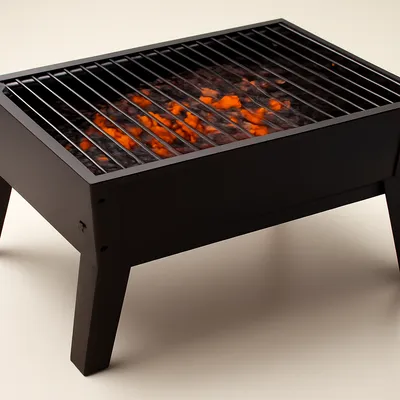
Truss the lamb onto a vertical spit, head up, legs tied close to the body. Build a charcoal fire in a brick or steel pit, banked to one side; lamb roasts by radiant heat at roughly 180°C with no direct flame contact.
- 4240 min
Roast 4 hours, rotating the spit a quarter turn every 20 minutes. Baste only the underside and joints with rendered lamb fat hourly; the back and ribs self-baste from dripping fat. Internal temperature at the thickest thigh should reach 75°C.
Watch outBaste only the belly and joints with rendered fat — leave the back and ribs alone; the fat dripping down bastes them for you, and brushing sugary rubs there just burns.
- 530 min
In the final 30 minutes, push the charcoal closer to crisp the skin — listen for the skin to start crackling and tightening. Pull when the skin is mahogany and taps hollow.
Watch outIn the last stretch listen for the skin to crackle and tighten, then tap it — pull when it sounds hollow and has gone deep mahogany.
- 615 min
Rest 15 minutes, then carve at the table: skin first in palm-sized shards, then loin and ribs, finally shoulder. Serve with cumin-salt dip, raw white onion, naan-style flatbread, and hot tea.
Archive tool suggestions — not reviewed
These legacy suggestions have not been evidence-reviewed and are not presented as required tools.