
Glutinous rice steamed in a lotus leaf with chicken, Chinese sausage, dried shiitake, and salted-egg yolk — a yum cha basket staple.


Born not in the teahouse but in pre-1949 Guangzhou night markets as a late-night supper food — originally steamed covered with a bowl, then wrapped in lotus leaf so hawkers could carry it on a shoulder-pole; only later was it adopted by restaurants and became a yum cha staple in Guangzhou and Hong Kong. The compact 珍珠鸡 (zhen zhu ji, «pearl chicken») version — half the size, same ingredients — appeared in the 1980s as restaurants moved to push-cart service and wanted something that fit on a small plate. Lotus leaves are imported from Hubei lotus ponds, dried and folded for transport.
Yum cha staple in Guangzhou and Hong Kong since the early 1900s; the small zhen zhu ji («pearl chicken») came in the 1980s when push-cart service needed a smaller plate. Banana-leaf swaps look the same but smell tropical-sweet — not the herbal-clean of Hubei lotus.
You tear the lotus leaf open and the steam carries the green-tea-like leaf aroma into your face. Rice is glossy and chewy, stained pale tan with soy. You hit chicken, then a coin of lap cheong (sweet-fatty), then the salted-egg yolk where it crumbles into the rice. Wrap-to-rice ratio matters — too thin a leaf and the rice tastes only of soy, not lotus.
The lotus leaf isn't just packaging — it's the aromatic engine. At 100°C steam, lotus leaves release nuciferine and a green-tea-like volatile that bonds to the warm rice fat. Banana leaf swaps look similar but smell tropical-sweet, not herbal-clean. Pre-cooking the chicken to only 70% before mixing with rice matters too: the rice steams another 45 minutes and would dry overcooked chicken.
Variations
Standard lo mai gai (full-size, lap cheong + chicken + salted-egg yolk); zhen zhu ji (mini); Macanese versions add chouriço; Singapore kopitiams steam it in pandan leaf instead.
On the Palate
Where Lo Mai Gai sits in the Chinese flavor cloud
Ingredients
Serves 4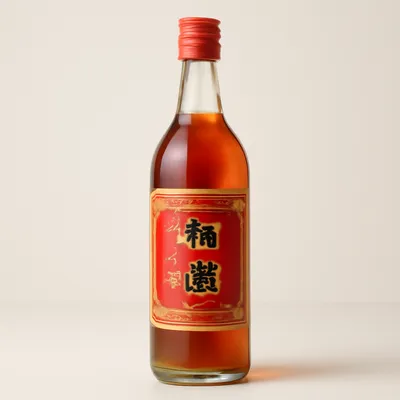




How it's made
6 steps · 40 min active + 3 hours 20 min waiting
- 1240 min
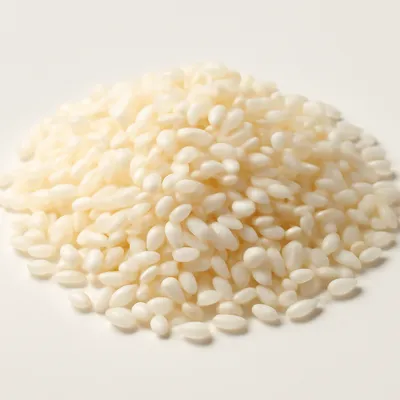
Soak 400g glutinous rice in cold water for 4 hours. Soak 4 dried shiitake in warm water for 30 minutes; reserve the soaking liquid.
- 220 min
Marinate 250g chicken thigh (cut into 2cm pieces) with light soy, oyster sauce, sugar, white pepper, and Shaoxing wine for 20 minutes.
- 38 min
Stir-fry chicken until 70% cooked, add diced lap cheong (Chinese sausage) and sliced shiitake. Pour in mushroom liquid plus a pinch of sugar; reduce until syrupy. Cool.
Watch outStir-fry the chicken only to about 70 percent done — it steams another 45 minutes inside the parcel, and fully cooking it now dries it out.
- 45 min
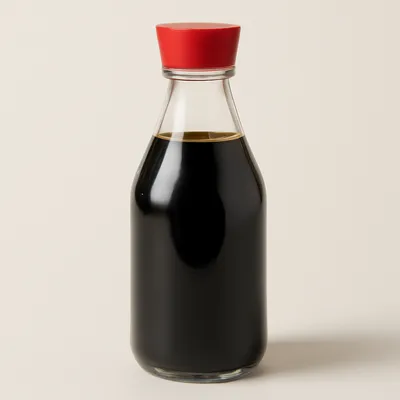
Drain rice, season with light soy, dark soy, sesame oil, and a little oyster sauce — it should look pale tan, not dark.
Watch outSeason the rice to a pale tan, not dark brown — too much dark soy now and it turns muddy and salty after 45 minutes of steaming.
- 58 min
Soften 4 dried lotus leaves in hot water 5 minutes. On each leaf, lay a 1cm rice bed, a spoon of filling, half a salted-egg yolk, then top with rice. Fold into tight parcels.
Watch outFold the leaves into tight, gap-free parcels — a loose wrap lets steam water in and the rice turns soggy and mushy.
- 645 min
Steam parcels over high heat for 45 minutes. Open at the table — the lotus aroma hits the moment you tear the leaf.
Watch outKeep the steam at a full rolling boil for the whole 45 minutes — let it drop and the glutinous rice at the center stays hard and chalky.


