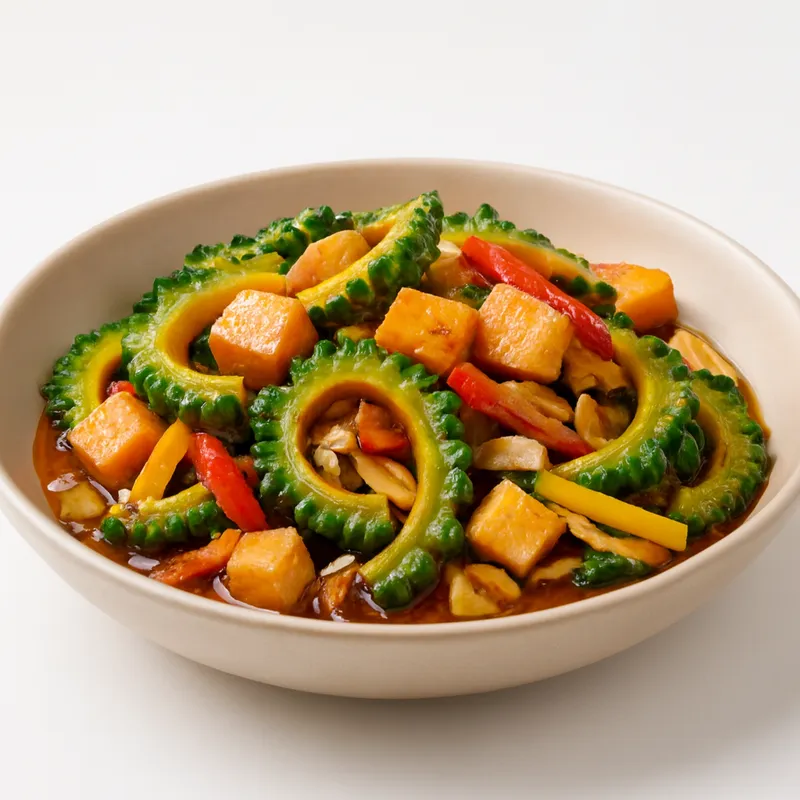
A northern-Hunan breakfast staple from Jinshi: round rice noodles scalded and ladled with a fiery, fragrant beef braise and tender braised-beef topping over a clear beef-bone broth.


Jinshi was a busy trade port on the Li River in northern Hunan, drawing migrants from many provinces. Local accounts trace beef rice noodles to Hui and Uyghur Muslims who settled the area during the Qing Yongzheng era's gaitu guiliu reforms: accustomed to beef noodles but living in a rice-eating region, they ladled their beef braise over local rice noodles instead. The dish is most associated with the Liu Longzi ("Deaf Liu") noodle house, opened in Jinshi in 1938 by Liu Songsheng, deaf from a childhood illness, who had run a noodle business in Changde from 1930 and learned his beef-cooking from Hui-Muslim cooks before fleeing to Jinshi after the Japanese bombing of Changde. Changde rice-noodle craft, of which the Jinshi style is the flagship, was listed as a Hunan provincial intangible cultural heritage in 2016.
The broth comes up red and slicked with chili oil, beefy and clean rather than greasy. Round rice noodles are springy and slurpable, catching soup in their slight chew; the braised-beef topping is fork-tender and fragrant with spice, the heat building under a deep beef-bone savor. Best eaten scalding hot, the moment it hits the table.
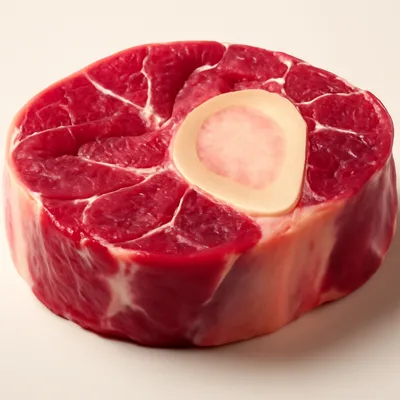
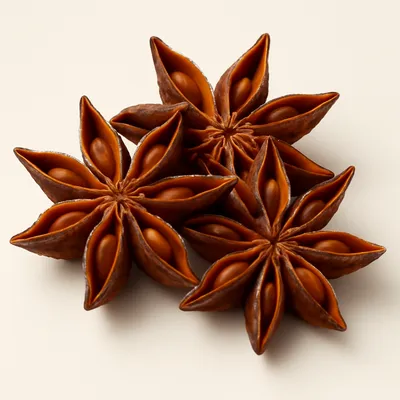
Beef is cut into roughly half-kilo blocks and soaked and pressed in water to purge blood, then long-simmered with a muslin spice bag of twenty-odd aromatics—fennel, amomum, cassia bark, licorice, dried tangerine peel, clove, Sichuan pepper, nardostachys and more—so the spice penetrates the meat. The cooked beef is cooled, sliced, and dressed with beef tallow and chili to make the topping; the cooking liquor is topped up, reskimmed of surface fat and clarified into a crystal-clear master broth. The topping is stewed apart and ladled on at service so the broth stays clean. Round rice noodles, scalded only to order, hold the soup better than flat ones thanks to their cylindrical body and bite.
Variations
Toppings vary: plain braised beef (hong shao), mala (numbing-spicy) beef, clear-stewed beef, sauce beef, and offal (beef tripe and intestine) for a beef-offal bowl. In Jinshi the noodle itself is split not into round versus flat but into mifen (round rice noodle) and mimian (flat), the latter traditionally dressed with a bone broth and dried shrimp rather than beef. Beyond Jinshi, the Changde and Changsha styles diverge in oiliness and heat, and rice noodle (mifen) should not be confused with the thinner, more translucent rice vermicelli (mixian).
On the Palate
Where Jinshi Beef Rice Noodles sits in the Chinese flavor cloud
Ingredients
Serves 4


How it's made
8 steps · 30 min
- 140 min
Cut beef shank into roughly 500 g blocks; soak in cold water, pressing and rinsing repeatedly until the water runs clear of blood.
Watch outSoak and press the beef blocks until the water runs clear of blood — this purge is what keeps the final master broth crystal-clear instead of muddy.
- 210 min
Blanch the beef and bones in boiling water, then rinse off the scum.
- 35 min
Wrap fennel, star anise, cassia bark, clove, Sichuan pepper, licorice and dried tangerine peel in muslin to make a spice bag.
- 4165 min
Simmer beef and bones with the spice bag and salt over low heat for about 2.5 to 3 hours until the beef is tender and the broth is rich.
- 515 min
Lift out the beef and let it cool, then slice or cube it and dress with beef tallow, chili and a little broth to make the topping.
- 615 min
Top up the broth with water, bring back to a boil, skim off the surface fat and strain until clear to make the master broth.
Watch outSkim and strain the topped-up broth until clear — a clean, transparent master broth is the soul of this bowl.
- 73 min
Scald the round rice noodles in boiling water until just heated through, then drain into a bowl.
Watch outScald the noodles only until just heated through — a few seconds over and they go soft and mushy in the hot broth.
- 82 min
Ladle the hot master broth over the noodles, spoon the braised-beef topping on top, and finish with chili oil and chopped scallion.
Archive tool suggestions — not reviewed
These legacy suggestions have not been evidence-reviewed and are not presented as required tools.