
Dong pickled fish, called 腌鱼 or 酸鱼, is a fermented-fish delicacy of the Dong (侗族) minority of the Guizhou–Hunan–Guangxi borderlands, most famous in the Qiandongnan region of southeastern Guizhou. Carp raised in flooded rice paddies are gutted, rubbed with salt and rice wine, then stuffed and layered with cooked glutinous rice seasoned with chili powder, Sichuan peppercorn and sometimes ginger and sweet rice-wine lees. Packed tight into a fir barrel or glazed crock, weighted and sealed, the fish ferments for months and keeps for years; barrel-aged fish are said to last as long as two decades. It is eaten cold straight from the cure or pan-fried and grilled, tasting sour, savory, mildly sweet and soft to the bone — a cornerstone of the Dong table, where the saying goes that no meal is complete without something sour.
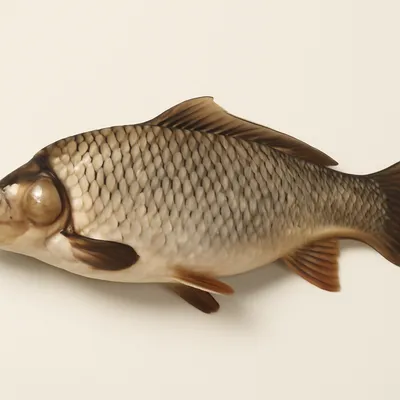
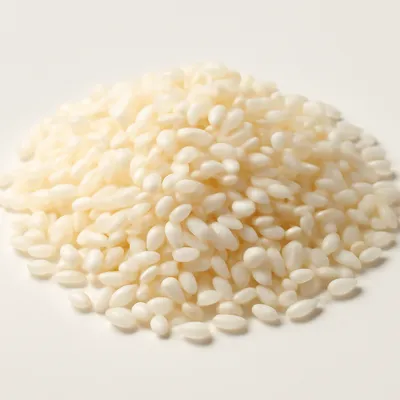
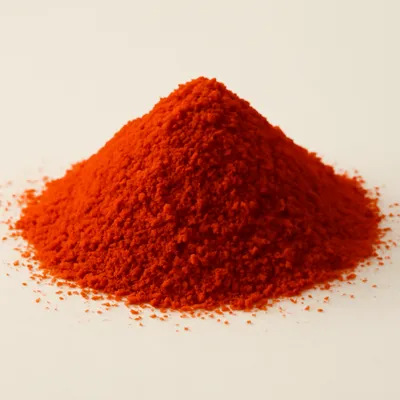

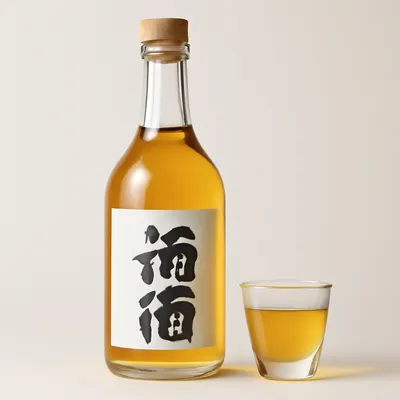

Dong pickled fish grows out of the paddy-raised-fish tradition of the Dong (侗族) uplands, where rice, fish and ducks share the same flooded terraces. The Congjiang Dong rice-fish-duck system of Guizhou was designated a Globally Important Agricultural Heritage System by the FAO in 2011 — China's fourth such site — and is documented to date at least to the Ming dynasty, with local oral history reaching back nearly a thousand years. Carp grown this way are small and seasonal, harvested around autumn, and the surplus has long been preserved by salting and souring rather than eaten fresh; folk accounts in southeastern Guizhou trace the pickled fish itself to roughly the Ming and put its history at some four hundred years. Today it remains tied to the Dong farming calendar, traditionally laid down between Cold Dew and Frost's Descent in late autumn, and is reserved for festivals and honored guests; a barrel of long-aged fish is treated as a household treasure and was once offered as tribute.
Cold from the crock, the flesh is dense and yielding, falling cleanly off the soft bones, the surface stained red by chili and rice. The first taste is a bright, clean sourness — lactic, not vinegary — backed by a deep salty savor, a faint sweetness from the glutinous rice and sweet lees, and the slow numbing buzz of Sichuan peppercorn. Older barrel-aged fish turn darker, denser and more pungent, the sourness rounder and the savor more concentrated. Pan-fried or grilled, the rice crust crisps and caramelizes, the sourness mellows and a toasty, almost cheese-like fermented aroma comes forward, the fish still tender within.
Pickled fish is preserved by lactic-acid fermentation powered by the glutinous rice. Sealed under weight, the packed crock turns anaerobic, and lactic-acid bacteria ferment the rice's starch — broken down to sugars and carried through glycolysis to pyruvate and then to lactic acid — so acidity climbs steadily. The rising acidity, together with the salt that draws out water and lowers water activity, makes the environment too acidic and too dry for spoilage and pathogenic microbes, while chili, Sichuan peppercorn, ginger and the rice wine add their own antimicrobial compounds; this triple barrier of acid, salt and spice is what lets the fish keep for months and even years. Over that time the fish's own proteases and microbial enzymes slowly break the proteins into peptides and free amino acids, building umami and the volatile aldehydes, alcohols and aromatic compounds of the fermented aroma, while the acid and enzymes soften the connective tissue and bone until the whole fish turns tender. A fir barrel breathes slowly and ferments cool and gradual, favoring long aging; a glazed crock sours faster and is eaten sooner.
Variations
Pickled fish belongs to the broader Dong tradition of sour-and-pickled foods (腌鱼, 腌肉), part of a paddy-side larder that also yields pickled pork and other sour preserves. Carp is classic, but the same cure is used for paddy loach and small river fish. Recipes vary by household and locale — some lean on chili and Sichuan peppercorn, others add ginger, garlic, cassia bark, fennel or sweet rice-wine lees for a sweeter, mellower cure. Glazed-crock versions ferment fast for everyday eating, while fir-barrel fish are laid down for years for festivals. The same sour-fermentation craft is shared by the neighboring Miao (苗族), and is found across the Dong areas of southeastern Guizhou, western Hunan and northern Guangxi, including the well-known Sanjiang and Longsheng versions.
On the Palate
Where Dong Pickled Fish sits in the Chinese flavor cloud
Ingredients
Serves 6
How it's made
7 steps · 50 min
- 115 min
Scale and gut paddy-raised carp, splitting each fish open along the back; rinse and pat dry.
- 220 min
Rub the fish inside and out with salt and rice wine and let them sit for two to three days, then drain and air-dry until the surface is half-dry.
Watch outAir-dry the salted fish only to half-dry at the surface — too wet and it can spoil in the crock, too dry and it won't take up the mash and ferment right.
- 315 min
Mix cooled cooked glutinous rice with chili powder, salt, Sichuan peppercorn and, if using, shredded ginger, cassia bark and sweet rice-wine lees to make the pickling mash.
- 425 min
Pack the mash into each fish's belly and coat the outside, then lay a bed of mash in a fir barrel or glazed crock and stack fish and mash in alternating layers until full.
- 510 min
Press the surface flat, weight it down, cover with leaves or a lid and seal the vessel airtight to ferment in a cool place.
Watch outWeight it down and seal airtight — the crock has to go anaerobic for the lactic ferment; any air gap invites mold and spoilage.
- 643200 min
Ferment for at least one to two months for everyday eating, or age for one to several years (and up to two decades in a fir barrel) for a deeper, rounder cure.
- 712 min
Lift out fish as needed and serve cold straight from the cure, or pan-fry or grill until the rice crust crisps and the fish is heated through.

