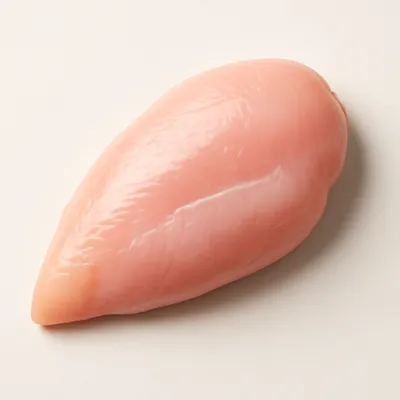
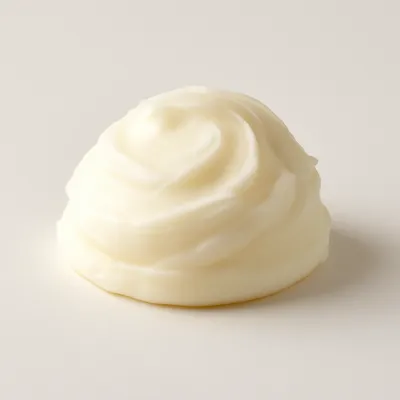
A pinnacle of Tianjin banquet cooking: silky chicken breast and fatback are minced into a cloud-like paste, folded with strands of soaked bird's nest, and gently poached in clear superior stock until the dumplings float—pale and trembling—on a broth of deep, clean savour.



Formally recognized as one of the twelve signature Tianjin dishes in 1955, this preparation represents the meeting of imperial luxury ingredients and northern broth mastery. Bird's nest arrived in Tianjin via Fujianese and Cantonese merchant routes from at least the Qing dynasty, when the city's role as northern terminus of the Grand Canal made it a clearing house for southern luxury goods. The Eight Great Establishments—restaurants whose names all ended in 成—developed the technique of incorporating bird's nest into chicken paste, blending the light touch of Jiangnan cuisine with the robust stock-making tradition of northern kitchens.
The quenelle dissolves on the tongue before you can bite down—impossibly silky, with a faint sweetness from lard and a hairline of oceanic depth from the bird's nest. The broth beneath is clear as glass but dense with the savour of patient simmering.
The paste's silky texture depends on an egg-white protein network that coagulates slowly between 70 and 85°C—just hot enough to set without toughening—while emulsified lard droplets remain suspended between muscle fibres, lubricating each bite. Bird's nest is composed of hardened swiftlet saliva, rich in sialic acid, which dissolves in hot broth and contributes a barely perceptible viscosity. Keeping the stock below a rolling boil prevents turbulence that would cause protein aggregates to cloud the liquid, preserving its hallmark clarity.
Variations
Some Tianjin restaurants substitute minced yellow croaker paste for chicken, keeping closer to the river-and-sea tradition of the cuisine. Vegetarian banquet versions replace bird's nest with agar strands shaped to mimic the texture. Contemporary fine-dining adaptations finish the soup with a few drops of chicken fat floated on the surface for additional richness.
On the Palate
Where Minced Chicken and Bird's Nest sits in the Chinese flavor cloud
Ingredients
Serves 4
How it's made
8 steps · 40 min
- 1120 min
Soak dried bird's nest in cold water for 2 hours; gently pick out any feather fragments; drain and blot dry.
- 210 min
Trim chicken breast and fatback of sinew; combine on a board and mince repeatedly with a heavy cleaver until the paste is silky-smooth with no visible fibre.
- 36 min
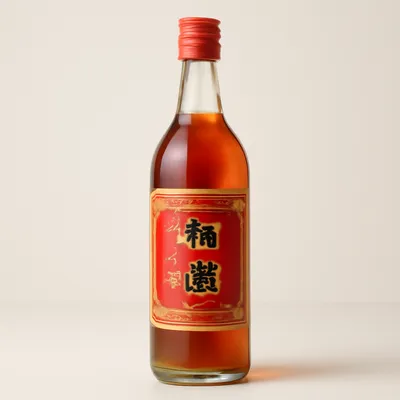
Whisk egg whites to soft peaks; add to the paste along with melted lard, salt, Shaoxing wine, and a splash of cold stock; stir firmly in one direction until the paste tightens, turns glossy, and holds its shape.
Watch outStir the paste in one direction until it tightens, glossy, and holds its shape — under-beaten and the quenelles fall apart in the stock.
- 43 min
Gently fold the drained bird's nest into the paste, working carefully so the fine strands remain intact.
- 55 min
Bring superior stock to 85°C in a wide pot—surface should shimmer but not break into a rolling boil; season with salt and strained ginger juice.
Watch outHold the stock at 85°C — shimmering but never a rolling boil — so the paste sets clear; turbulence clouds the broth.
- 64 min
Wet a spoon; scoop the paste into smooth oval quenelles; lower each carefully into the simmering stock along the edge of the pot, never stirring.
Watch outSlide each quenelle in along the pot's edge and never stir — stirring breaks them apart before they set.
- 73 min
Cook undisturbed until the quenelles float to the surface and are set through, about 3 minutes; skim any foam that rises.
- 82 min
Ladle gently into deep bowls, 3–4 pieces per serving; pour hot broth over and serve immediately.
Archive tool suggestions — not reviewed
These legacy suggestions have not been evidence-reviewed and are not presented as required tools.



