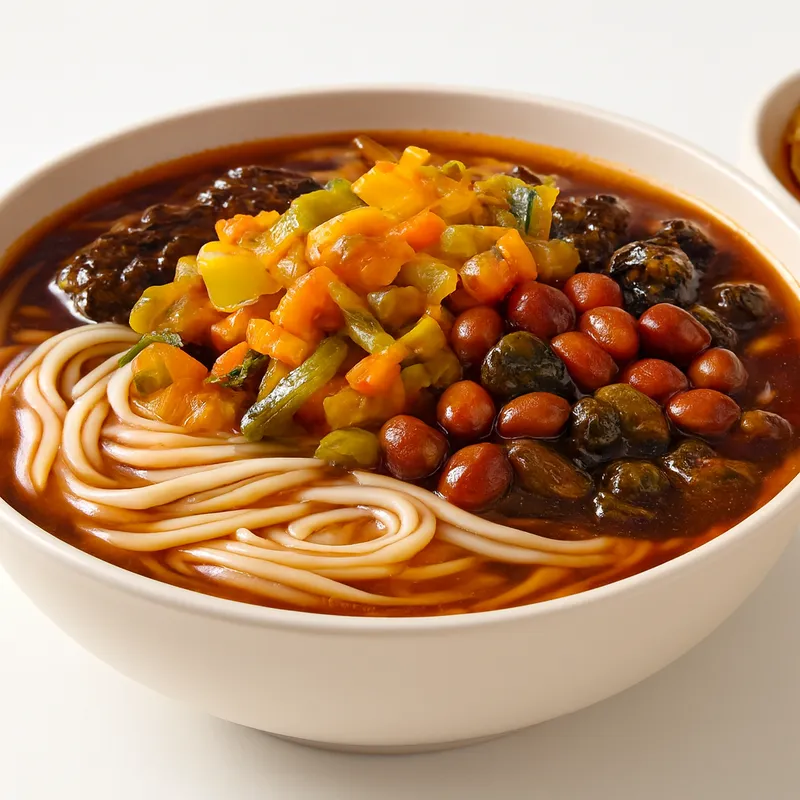
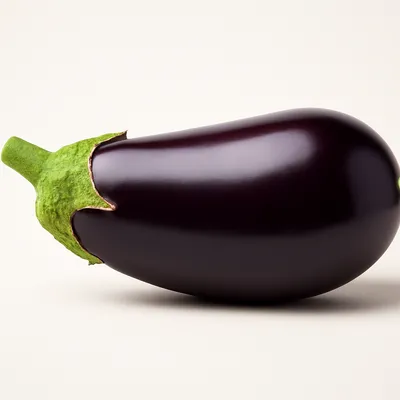
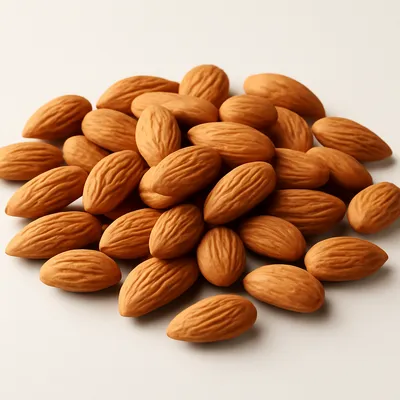
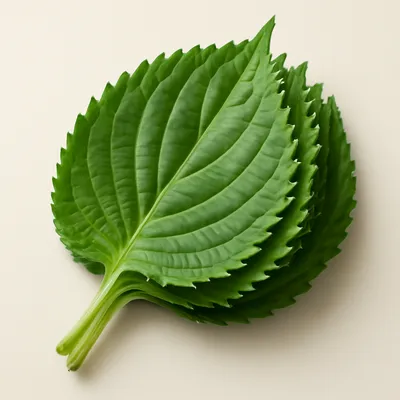
A deeply complex soy condiment from Linyi, produced by the Weiyizhai (惟一斋) sauce garden since the Qing Jiaqing period. Eight ingredients — black soybeans, eggplant, ginger, almonds, perilla leaf, Sichuan pepper, sesame oil, and baijiu — are sealed in clay jars and fermented for a full year. The result is a glossy, aromatic paste with layered savory, herbal, and floral notes.



Eight-Treasure Fermented Black Beans trace to the Qing Jiaqing period (1796–1820), when the Weiyizhai sauce garden in Linyi was founded. The shop collected fermentation techniques and recipes from masters across the region and refined them into a distinctively Yizhou-flavored product. By the Daoguang era the brand was already widely known. In 1983 it was awarded the Shandong Provincial Quality Product honor; in 1992 it received the National Exhibition Gold Prize; in 1995 it earned the China Premium Product Gold Prize. Weiyizhai today holds designation as a Ministry of Commerce China Old Brand (中华老字号).
Each fermented bean is intact yet melts on contact — an explosion of deep umami, followed by the herbal brightness of perilla, the tingling warmth of Sichuan pepper, and a lingering baijiu finish. A single teaspoon transforms plain congee into something layered and crave-worthy.
After steaming, the black soybeans are left to mold: native airborne fungi secrete proteases that break soy protein into free amino acids, of which glutamate forms the savory foundation. Once sealed in the clay jar, oxygen is quickly consumed; lactic acid bacteria take over, producing lactic acid that lowers pH, preserves the product, and adds a subtle tartness. Over the year-long fermentation, the eight co-ingredients each contribute volatile aromatics that slowly diffuse into the bean matrix. Baijiu's ethanol acts as a solvent for fat-soluble aroma compounds, ensuring even distribution throughout the jar.
Variations
Modern Weiyizhai now offers a temperature-controlled six-month rapid-fermented version available year-round. Home producers in rural Linyi still observe the traditional cycle: assemble in autumn when eggplants ripen, complete by the following Mid-Autumn Festival. A Meng'in county variant uses slightly fewer spices for a cleaner, bean-forward flavor.
On the Palate
Where Eight-Treasure Fermented Black Beans sits in the Chinese flavor cloud
Ingredients
Serves 8

How it's made
7 steps · 2 hours active + 365 days waiting
- 1720 min
Sort and rinse black soybeans; soak in cold water overnight (at least 12 hours); drain, then steam until fully cooked but still whole and unbroken.
- 211520 min
Spread cooked beans on bamboo mats in a ventilated space; dry to approximately 30% moisture; transfer to a sealed warm room for 5–7 days to allow native mold to bloom; then rinse clean and spread to re-dry to 30% moisture again.
Watch outLet the steamed beans mold in a warm room until fuzzy — this is the ferment building umami; rinse and re-dry before jarring.
- 314400 min
Slice eggplant thinly; toss with a generous amount of salt; press and turn daily for 10 days to draw out all moisture.
- 42880 min
Blanch almonds and remove skins; separately, lightly salt fresh ginger slices, fresh Sichuan peppercorns, and perilla leaves; macerate each for 1–2 days. Measure out sesame oil and baijiu.
- 560 min
Combine all eight ingredients in a large clay jar: beans, eggplant, ginger, almonds, perilla, Sichuan pepper, sesame oil, and baijiu; stir thoroughly until evenly mixed.
- 6525600 min
Seal the jar tightly with cloth and mud; place in a sunny outdoor spot in spring and autumn, cool shade in summer; do not open — ferment for 10–12 months.
Watch outSeal the jar airtight with cloth and mud and never let water in — any leak spoils the year-long ferment.
- 730 min
Open the jar at the following Mid-Autumn Festival; taste and adjust salt; transfer to smaller sealed jars for serving as a condiment with rice or congee.