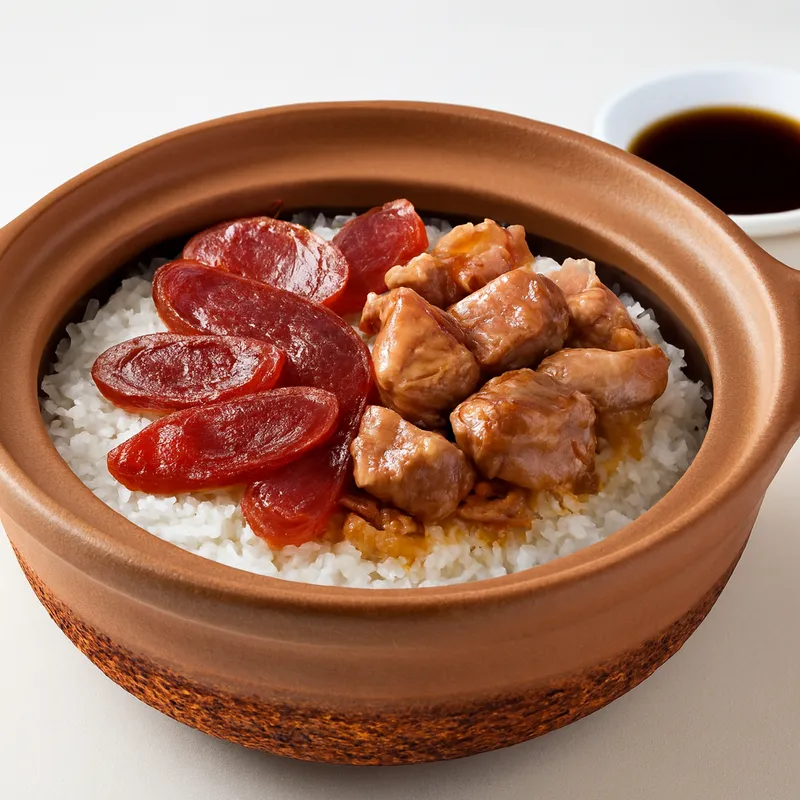

A Li and Miao fermented-fish tradition of inland Hainan (Wanning, Baisha, Baoting, Wuzhishan), scholars trace to the ancient Central-Plains 'zha' method of preserving fish in rice. By legend it began with harvest-feast leftovers — raw fish sealed in a jar with cooked rice and found days later to have fermented into something tangy and delicious. It let surplus river fish keep without refrigeration and became a Li banquet dish and a Sanyuesan (March 3) festival staple.
A summer preservation method on Hainan's east coast — Wanning, Lingshui, Wenchang-Qionghai — where tropical heat made fresh fish unkeepable before refrigeration. The 8% salt rub is load-bearing: it draws water out by osmosis fast enough that bacteria can't establish.
Dense, leathery flesh that flakes into salt-saturated shards under chopsticks. The first bite is almost too salty alone, but with a mouthful of hot rice it resolves into deep umami and slow-released sea oil. You eat it in small pieces — a fingernail-sized flake stretches a whole spoonful of rice. If the fish goes soft and merely fishy, the sun didn't do its work.
The flavor comes from lactic-acid fermentation, not drying. Salting (then squeezing out the brine) suppresses spoilage microbes; the cooked rice supplies the starch/sugar that feeds lactic-acid bacteria. Sealed anaerobically, a Lactobacillus-dominant community (with Bacillus and Enterococcus) ferments the sugars to acid, driving pH from ~6.75 down to ~4.6 — which inhibits spoilage bacteria and builds the sour aroma and umami. Optimal practice is roughly 7% salt, ~42% rice, ~36°C, ~17 days; warm weather ferments in 7-10 days, cold weather needs two weeks to a month.
Variations
Split by the rice used: 'dry fish tea' (firm-cooked rice) is denser, 'wet fish tea' (gruel/porridge) is softer; some use fried rice or corn flour, or add fermented-rice mash/wine starter to boost aroma. Variants by cut include zaizi-suan, yu'nan-suan and rou-suan.
On the Palate
Where Wanning Pickled Fish sits in the Chinese flavor cloud
Ingredients
Serves 4How it's made
5 steps · 15 min
- 110 min
Gut and split small mackerel or scad (150-200g each) along the belly, leave the spine in. Rinse in seawater or 3% salt water and pat dry.
- 210 min
Rub coarse sea salt aggressively into the flesh and cavity — about 8% of the fish's weight. Pack into a clay crock with extra salt between layers. Weight down and rest for 24 hours in a cool place.
Watch outThe salt has to draw water out, so pack it in hard and weight it — after 24 hours you should see brine pooling under the fish; that liquid leaving is what stops it rotting.
- 35 min
Lay the fish flat, cut-side up, on a bamboo rack. Sun-dry on a Wanning rooftop for 3-5 days until the surface is leather-firm and the flesh has darkened. Bring in at night to avoid dew.
Watch outSun-dry until the surface goes leather-firm and the flesh darkens — press it, if it still feels wet and soft it will sour badly, not cure.
- 46 min
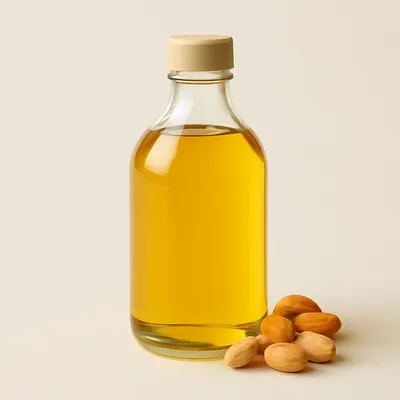
When ready to eat, slice the dried fish into 4cm pieces. Pan-fry in a thin film of peanut oil over medium heat for 2 minutes per side until the edges crisp and the fat renders.
Watch outPan-fry until the edges crisp and the fat renders out — that rendered oil carries the whole flavor, so don't pull it while it's still pale and limp.
- 51 min
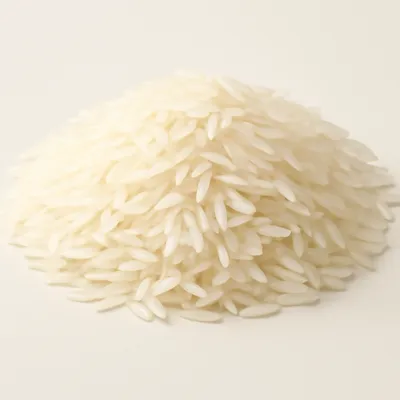
Serve in small pieces alongside white rice and a wedge of calamansi. No sauce — the fish is the seasoning.