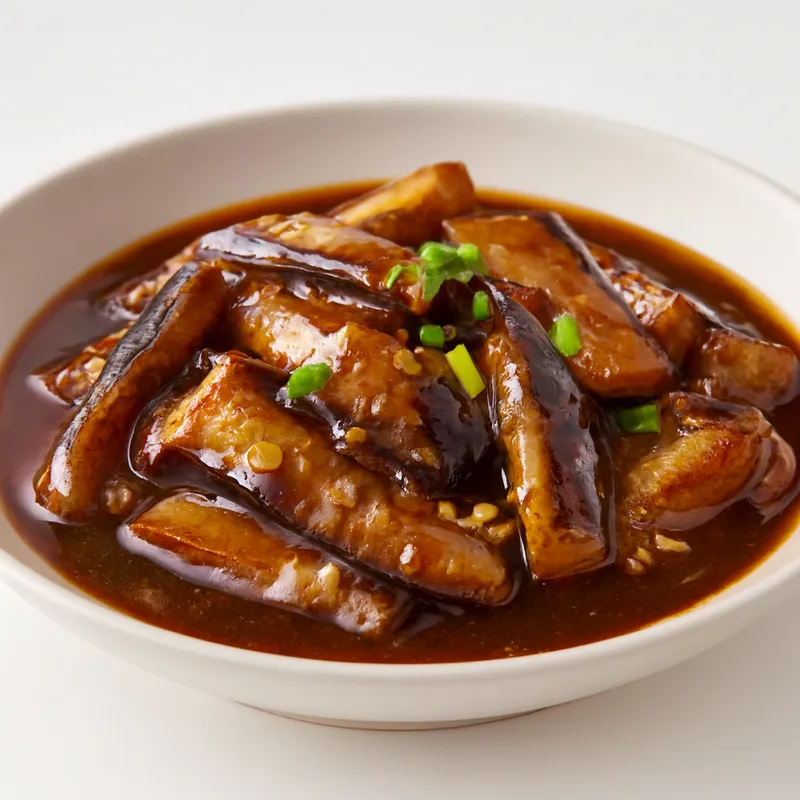
Slender strips of pork are imbued with a sweet and savory sauce that sings with the flavors of pickled chili, vinegar, and garlic.






Late Qing/early Republican Sichuan, refined in Chengdu and Chongqing restaurants in the early Republican era; absent from the 1909 Chengdu Tonglan (成都通览), so the flavor profile postdates that survey, with the earliest written record of the dish appearing in a 1947 Chongqing newspaper. The name comes from 鱼辣子 — pickled chili fermented together with live crucian carp (鲫鱼) and 二荆条 chilies in a brine crock, which lent the chili a fish-like aroma; this pickle predates the dishes, and cooks built a whole seasoning profile (sugar, vinegar, ginger, garlic, scallion) around it, later applying it to pork, eggplant and other proteins.
Late-Qing/early-Republican Sichuan, refined in 1920s-30s Chengdu restaurants. No fish in the dish — 鱼香 names the seasoning Sichuan cooks used to mask river-fish muddiness, then applied to pork. Pickled red chili (泡椒) is the load-bearing one, not chili oil.
Pork shredded to matchstick width, wood-ear and bamboo shoots cut to match, all glazed in a slick reddish sauce that's sweet-then-sour-then-warm-spicy. No fish in the dish — the name 鱼香 (fish-fragrant) refers to the seasoning profile that Sichuan cooks traditionally use to dress fish. Served over rice; the cut is the test, every shred should be uniform.
Pickled red chili (泡椒) is what makes it 鱼香 — not chili oil, not bean paste. The lactic-acid fermentation in the pickle gives the sauce a rounded sourness and a complex aroma that vinegar alone can't reach; the sugar-to-vinegar balance is held near 5:4 for a restrained sweet-sour 'small lychee' note, and the ginger and garlic must be used generously (roughly 10% of the food's weight) — the usual reason home versions fall flat is under-seasoning, not the chili. A version made with fresh chili and extra vinegar tastes flat and one-note; the fermentation provides depth that's hard to fake.
Variations
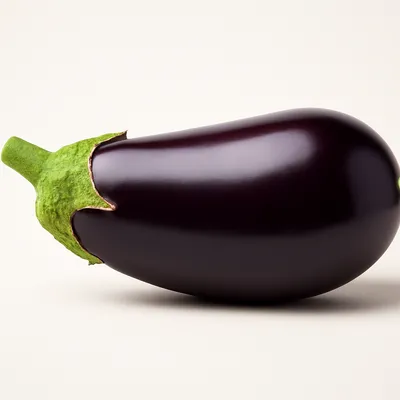
Chengdu home version uses pork shoulder shredded by hand; Sichuan restaurants standardize to bamboo-shoot and wood-ear; 鱼香茄子 swaps in fried eggplant; vegetarian Buddhist versions use king oyster mushroom for the protein.
On the Palate
Where Yu Xiang Rou Si sits in the Chinese flavor cloud
Ingredients






How it's made
7 steps · 30 min
- 120 min
Thinly slice the pork and marinate with soy sauce and a touch of sugar.
- 21 min
Rehydrate wood ear mushrooms and slice bamboo shoots, carrot, ginger, and scallion.
- 33 min
In a wok, heat oil and stir-fry pickled chili, garlic, and ginger until fragrant.
Watch outFry the pickled chili low and patient until the oil runs red and smells rounded and sour-sweet — this fermented aroma is what makes it 鱼香, and rushing it on high heat scorches the chili bitter.
- 43 min
Add the marinated pork and stir-fry until it changes color.
Watch outPull the pork the moment the shreds turn pale all over — carry on and the thin strands go dry and stringy.
- 51 min
Mix in bamboo shoots, carrot, and wood ear mushrooms.
- 61 min
Stir in a sauce of soy, vinegar, and sugar, cooking until everything is well coated.
Watch outTaste the sauce for that restrained sweet-sour 'small lychee' note, sugar just edging past the vinegar — and go heavy on the ginger and garlic, since a flat home version is almost always under-seasoned, not short on chili.
- 72 min
Finish with sliced scallions before serving.