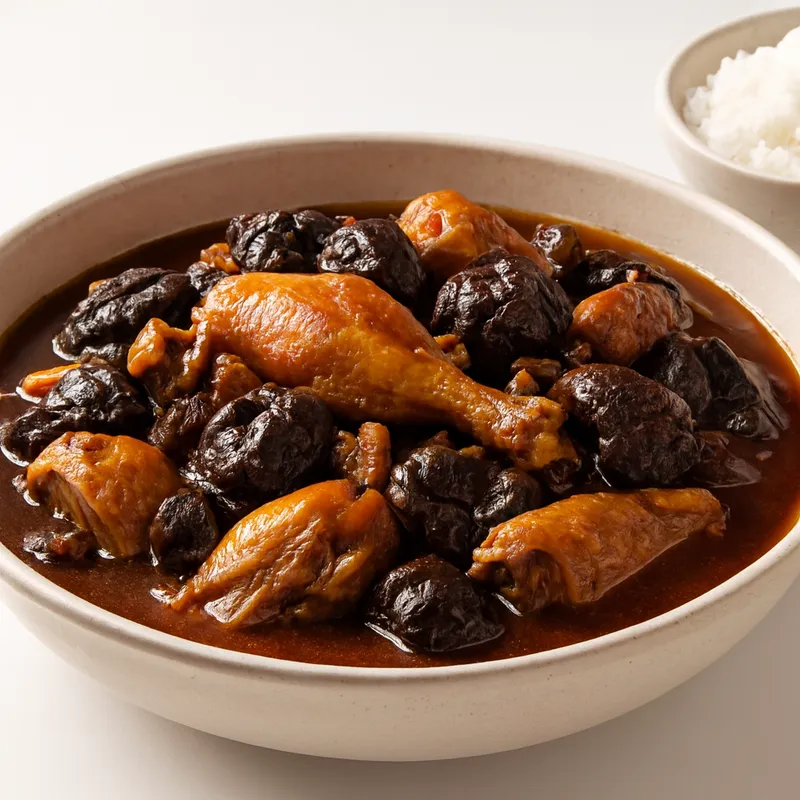
Taiping Yan is Fuzhou's ceremonial banquet soup, distinct from the everyday 肉燕 (Fuzhou pork-paste wontons, a separate dish): it pairs those same meat-skinned dumplings with whole shelled cooked duck eggs in a clear broth. The duck egg is the point. In the Fuzhou dialect a duck egg is 鸭卵, a homophone of 压乱 ('press down disorder') and so of 太平 ('peace'), which is why an unbroken egg sits in the bowl and gives the dish its name. It is the obligatory soup at weddings, New Year, birthdays and farewells — the saying runs 无燕不成宴,无燕不成年 ('no banquet without 燕, no New Year without 燕'). Plain 肉燕 soup without the egg is not Taiping Yan.

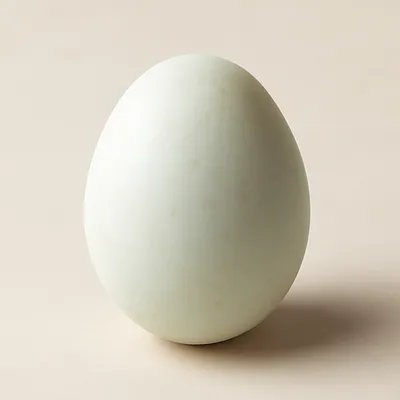


肉燕 originated in Pucheng in northern Fujian and was carried to Fuzhou; by the Guangxu reign (1875–1908) several Fuzhou shops were making 燕皮 in the Pucheng manner of shopkeeper Yao Jinshou, and the craft became its own trade. The ceremonial Taiping Yan form has no separate dated origin on record; it grew out of the Fuzhou custom of adding a whole duck egg to 肉燕 soup for celebrations, the egg being kept for the 鸭卵→压乱→太平 homophone. Fuzhou folk speech still says 吃鸭蛋讲太平 ('eat a duck egg, speak of peace'), and a common local boast runs 福州菜可无佛跳墙,不可无太平燕.
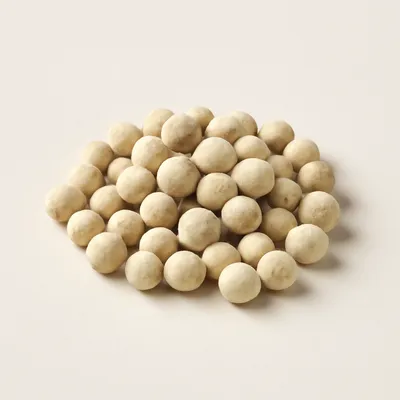
A clear, light pork broth holding translucent 肉燕 — gauzy meat-skinned dumplings whose wrapper itself tastes of pork — with one whole shelled duck egg sitting plainly in the bowl, often over a tangle of mung-bean vermicelli with soaked shiitake and a few shrimp. Strips of laver and chopped scallion float on top. At the table it takes a splash of 虾油 (Fujian fish sauce) or red vinegar and a dusting of white pepper. The broth stays clean and savory; the egg is meant to be eaten whole, for luck.
The wrapper of the 肉燕 is meat, not flour — pounded lean pork bound with sweet-potato starch, which is why it turns up translucent and tastes of pork (the standalone 肉燕 entry covers that pounding in full). Taiping Yan is an assembly soup: build a clear, fat-skimmed pork broth; poach or steam the 肉燕 just until the wrappers turn translucent so they don't break; and cook the duck eggs whole, then shell them whole and unbroken so each bowl gets one intact egg. The egg is boiled separately, never cracked into the soup — keeping it whole is the entire symbolic logic, the round unbroken 太平.
Variations
The defining line is the egg: 肉燕 in clear broth alone is plain pork-paste-wonton soup, while adding the whole duck egg makes it Taiping Yan. Home and restaurant banquet bowls bulk it out with mung-bean vermicelli, soaked shiitake, dried beancurd skin or shrimp; condiments vary between 虾油, red vinegar and white pepper. A red-wine-lees (红糟) broth gives a Fuzhou variant, and at New Year the dish doubles as the lucky 太平面 when served over noodles.
On the Palate
Where Taiping Yan sits in the Chinese flavor cloud
Ingredients
Serves 4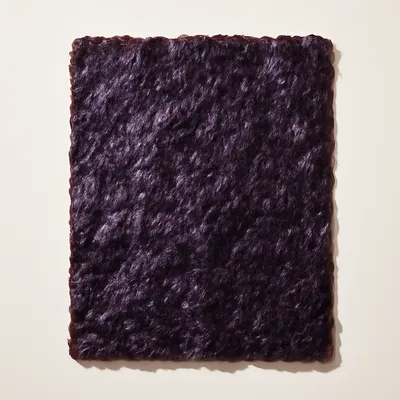


How it's made
7 steps · 20 min
- 110 min
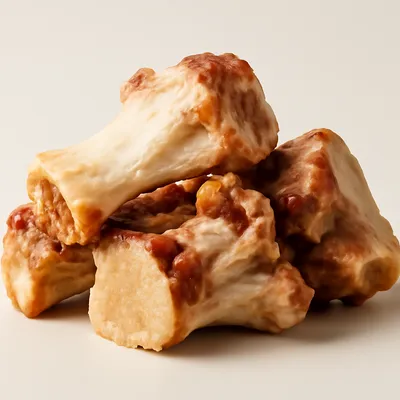
Simmer pork bones (or use a clear pork stock) with a slice of ginger into a light broth; skim off the fat and season lightly with salt.
- 28 min
Boil the duck eggs until fully set, then cool and peel each one whole and unbroken — keep them intact.
Watch outPeel each boiled duck egg whole and unbroken — one intact round egg per bowl is the entire symbolic point of the dish.
- 35 min
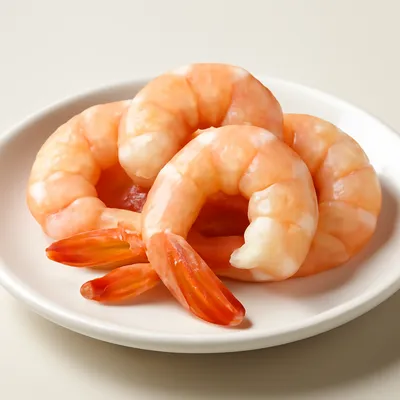
Soak the mung-bean vermicelli, soaked shiitake and a few shrimp; blanch briefly and divide among the serving bowls.
- 43 min
Drop the 肉燕 (pork-paste wontons) into the simmering broth and poach just until the wrappers turn translucent, about 2–3 minutes; do not overcook or the skins break.
Watch outPoach the meat wontons only until the wrappers turn translucent, about two or three minutes — over-boil and the delicate skins split.
- 51 min
Ladle the 肉燕 and hot broth over the vermicelli, then set one whole shelled duck egg in each bowl.
- 61 min
Scatter laver strips and chopped scallion on top.
- 71 min
Serve with 虾油 (Fujian fish sauce) or red vinegar and white pepper at the table.
Archive tool suggestions — not reviewed
These legacy suggestions have not been evidence-reviewed and are not presented as required tools.