Vietnamese sour pickled mustard greens, the everyday fermented vegetable of the home table. Whole heads of mustard green are wilted in the sun and brined until they turn tart, golden, and tender. Eaten as a sour, palate-cleansing side and prized as a partner to rich braised dishes like thit kho, where its acidity cuts the fat.
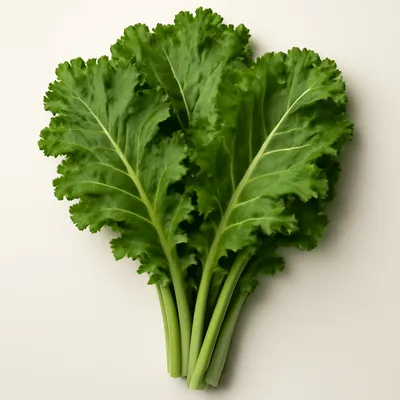


Dua chua belongs to the broad Southeast and East Asian tradition of brine-fermenting mustard greens, a practice that long predates written record across the region. In Vietnam it is the home cook's standby preserve, a way to hold a glut of mustard greens past their season and to keep a sour vegetable always on hand. Its closest culinary role is as a foil to fat: it is the near-mandatory accompaniment to thit kho, the caramelized braised pork and egg eaten heavily around the Lunar New Year, where a tangle of sour greens resets the palate between rich bites. The technique is shared with Chinese suan cai and its precise local origin is undocumented.
Tart and savory, with a clean lactic sourness rather than the sharp bite of vinegar. The leaves turn from green to a translucent yellow-gold and go pleasantly soft while the stems keep some crunch. There is a faint funk from the fermentation and a residual mustard pungency underneath. On its own it is bracing; against fatty braised pork it tastes like relief, scrubbing the richness off the tongue.
This is true lactic fermentation, not a vinegar pickle. The mustard greens are first wilted in the sun for a day to soften the leaves and reduce their water, then packed into a salt brine, sometimes with a little rice-rinse water or sugar added to feed the bacteria. Submerged and kept from air, naturally present lactic-acid bacteria convert the greens' sugars into acid over a few days, which sours and preserves them and turns the leaves gold. Keeping everything under the brine is critical; exposed leaves spoil or grow surface mold rather than souring cleanly.
Variations
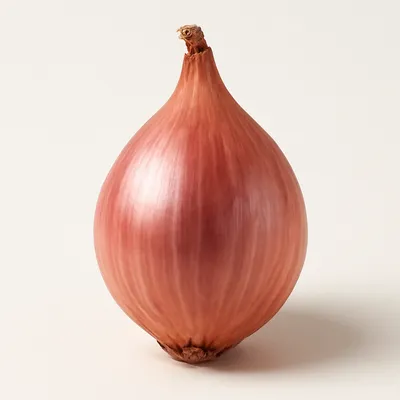
The classic is whole-leaf mustard green soured in brine; some households cut the greens and add sliced onion or scallion for a quicker, fresher pickle eaten within days. A sweeter brine yields a milder sour favored in the south, while a plain salt brine and longer ferment give the sharper, funkier version. Dua chua is also chopped into stir-fries and simmered into sour soups once it has aged past its peak as a side.
On the Palate
Where Dua Chua sits in the Vietnamese flavor cloud
Ingredients
Serves 8How it's made
6 steps · 15 min active + 15 min waiting
- 11440 min
Wash whole mustard greens and wilt them in the sun for about a day until softened.
- 25 min
Dissolve salt in water to make a brine, adding a little sugar or rice-rinse water if desired.
- 35 min
Pack the wilted greens tightly into a clean jar or crock.
- 45 min
Pour the brine over to fully submerge the greens, weighting them down so none float above the surface.
Watch outWeigh the greens down so every leaf stays under the brine — any leaf poking above the surface molds and rots instead of souring clean.
- 54320 min
Cover loosely and ferment at room temperature for several days until sour and golden.
Watch outFerment until the leaves sour and turn gold — that color shift and clean tang mean the lactic fermentation has taken, not spoiled.
- 62 min
Once soured, refrigerate to slow fermentation; serve as a sour side or alongside braised meats.


