Fermented soybean sauce, the foundational Vietnamese seasoning made from soybeans and roasted glutinous rice or corn aged in the sun. Thicker and chunkier than soy sauce, sweet-savory and golden-brown, it is northern Vietnam's traditional dipping and braising base, and the cornerstone of Buddhist vegetarian cooking where it replaces fish sauce. The most famous comes from the village of Ban.

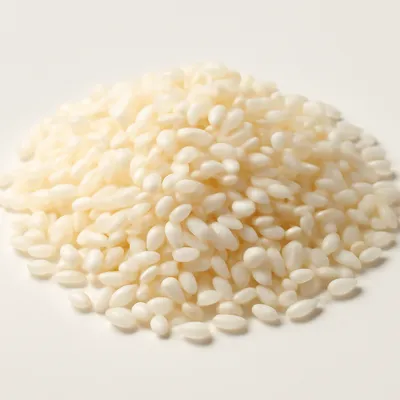




Tuong is Vietnam's indigenous fermented bean sauce, part of the same East Asian lineage as Chinese jiang and soy sauce but with its own method and texture. It is made by molding cooked soybeans and roasted, ground glutinous rice or corn, then aging the mixture in earthenware jars in the open sun for weeks to months. The most celebrated is tuong Ban, from Ban village in Hung Yen province, long renowned as the benchmark for the northern style. Because tuong contains no animal product, it became the essential savory seasoning of Vietnamese Buddhist temple cooking, standing in for fish sauce on vegetarian days. Its exact age is undocumented, but it is one of the oldest seasonings of the northern delta.
Thick, golden-brown, and coarse, with whole or broken soybeans suspended in a sweet-salty liquid. The taste is rounded and mellow rather than sharp, deeply savory with a malty sweetness from the roasted rice and a soft fermented tang, far gentler and sweeter than soy sauce. The aroma is nutty and faintly winey. As a dip it coats and clings; thinned with water, garlic, sugar, and chili it becomes a glossy sauce for plain greens, tofu, or grilled meat. Good tuong tastes ripe and round; poor tuong is flatly salty.
Tuong is a two-mold ferment. First the cooked soybeans, and separately the roasted ground rice or corn, are left to grow a beneficial mold culture (a koji-like step) that produces the enzymes for breaking down starch and protein. The molded grain and beans are then combined in salt brine and left to age in the sun, where those enzymes slowly digest the soy protein into glutamate-rich savor and the rice starch into sugars, while salt-tolerant yeasts add aroma and a winey depth. The long sun-aging is what builds the mellow sweetness and color; rushing it leaves the sauce raw and harshly salty. The roasted rice or corn is the source of both the sweetness and the characteristic chunky body.
Variations
Tuong Ban from Hung Yen is the celebrated northern benchmark, smooth and sweet; tuong Cu Da, from a village near Hanoi, is another noted northern style. Central Vietnam makes a smoother, darker tuong used in Hue cooking. As a finished sauce, tuong is most often let down with garlic, sugar, lime or vinegar, and chili into a dipping sauce, and a peanut-enriched version (tuong with ground roasted peanut) is the classic dip for fresh spring rolls and the central beef-in-betel-leaf rolls.
On the Palate
Where Tuong sits in the Vietnamese flavor cloud
Ingredients
Serves 12How it's made
6 steps · 1 hour
- 120 min
Roast glutinous rice or corn until fragrant and grind it coarsely.
- 290 min
Cook the soybeans until soft, then drain and cool them.
- 310080 min
Allow the rice and beans to ferment under a beneficial mold culture until coated and aromatic.
Watch outLet the rice and beans grow a fragrant mold coating before brining — that koji-like step builds the enzymes that later turn the soy into savor.
- 430 min
Combine the molded grain and beans with salt brine in an earthenware jar.
- 543200 min
Age the jar in the open sun for several weeks to months, stirring periodically, until golden-brown and mellow.
Watch outAge in the sun until it turns golden-brown and mellow — rush it and the sauce stays raw-tasting and harshly salty.
- 65 min
To serve as a dip, thin a portion with water and season with minced garlic, sugar, lime, and chili.


