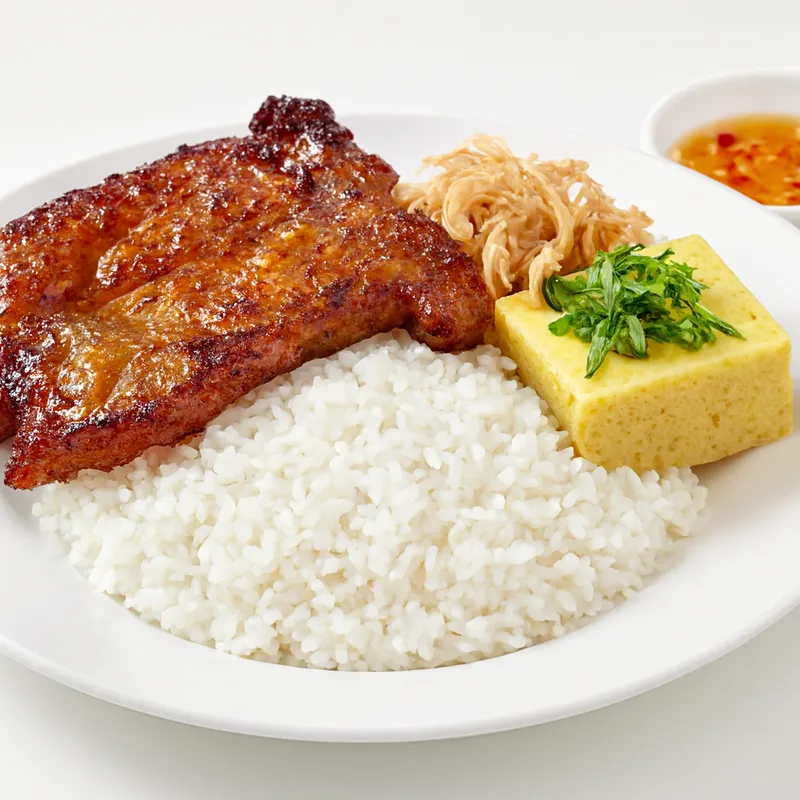
Saigon-Chinese roast pork: skin scored, salt-rubbed and slow-roasted until it pops into bubbled blisters, sliced and served with sweet bean sauce, pickled vegetables and rice or bread.
Heo quay in Vietnam is a direct inheritance from the Cantonese 「siu yuk」 brought by Chinese-Vietnamese (Hoa) communities, especially in Saigon's Cho Lon district from the 19th century onward. The dish is found at every Cho Lon roast-meat shop alongside char siu and roast duck, sold by weight at lunchtime. It crossed over into Vietnamese street food via banh mi heo quay, where slices are layered into the French baguette with pickled vegetables — a Sino-French-Vietnamese sandwich.
Cantonese siu yuk transplanted to Saigon's Cho Lon district by 19th-century Hoa migrants. Crackling depends on three steps: 24-hour cold air-dry (removes ~30% of skin water), thousands of pricks, and a two-temp roast — low to render fat, then very high to flash-vaporize remaining moisture.
Crackling is the whole show — the skin should shatter on the first bite into crisp golden bubbles 2-3mm thick, like a savoury meringue, with a clean snap and no chewy patches. Beneath that is a 1cm layer of soft white fat, then dense five-spiced flesh. Eat in cubes with a smear of tuong ngot (sweet bean sauce) and a piece of pickled daikon; or stuff into split banh mi. A failed heo quay has rubbery skin, often because the air-dry step was rushed or the pricker missed sections — those flat patches read as chewy under the teeth.
The crackling depends on three things in sequence: hydration removed from the skin (24 hours of cold dry air pulls about 30% of the skin's water out — without this the skin steams instead of popping), thousands of micro-perforations (each hole becomes a vent that lets steam escape and a bubble form), and a two-temperature roast (low first to render fat under the skin, then very high to flash-vaporize the remaining moisture in the dried skin). Skip any one and the skin turns leather. The salt crust during the dry stage is osmotic — it pulls more water out of the skin than dry air alone.
Variations
Cho Lon Cantonese-style is the canonical Saigon version (sold by weight at lunchtime); banh mi heo quay slices are layered with pickled daikon-carrot in baguette; central-Vietnamese versions occasionally rub with shrimp paste for a funkier crust.
On the Palate
Where Heo Quay sits in the Vietnamese flavor cloud
Ingredients
Serves 6







How it's made
6 steps · 30 min active + 1 day 30 min waiting
- 112 min
Buy a 1.5kg piece of skin-on pork belly with even thickness. Boil 3 litres water with 2 tbsp salt and 1 tbsp vinegar; blanch the belly skin-down 5 minutes until skin firms. Plunge into ice water; pat completely dry.
- 215 min
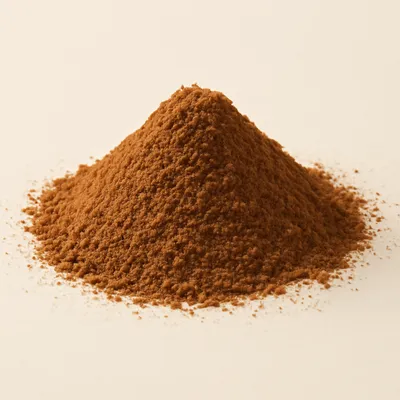
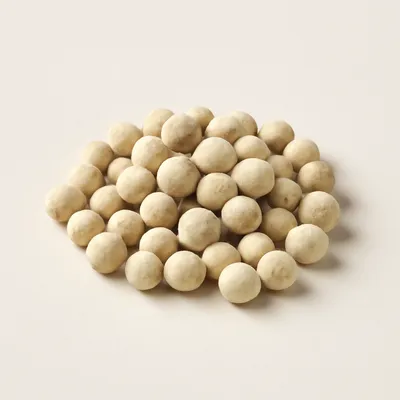
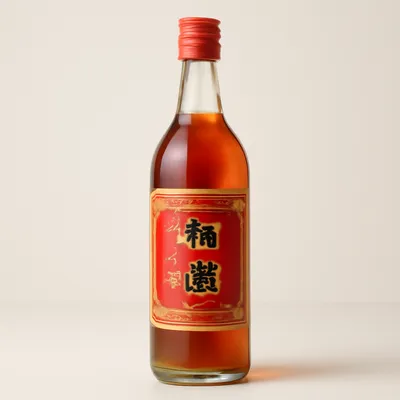
Stab the skin all over with a sharp pricker (steel skewer or commercial skin pricker) — 200+ holes, until you cannot see un-pricked patches but you have not pierced into the fat. Score the meat-side 1cm grid 1cm deep. Rub the meat side with 2 tbsp five-spice, 1 tbsp salt, 1 tbsp sugar, 1 tsp white pepper, 4 minced garlic cloves, 1 tbsp Shaoxing wine.
Watch outPrick the skin 200-plus times until no smooth patch is left — but stop at the fat; pierce through and rendering grease floods up and stops the skin drying.
- 31440 min
Set the belly skin-up on a rack over a tray. Salt the skin only with a 5mm even crust of coarse salt (do NOT salt the meat-side again). Refrigerate uncovered 12-24 hours — the skin must dry rock-hard like parchment. This is non-negotiable.
Watch outDry the salted skin in the fridge uncovered until it's parchment-hard — any give left and it will steam soft instead of crackling. This step is non-negotiable.
- 460 min
Brush off all the salt. Wipe skin clean. Roast at 160°C for 60 minutes — the meat cooks through, fat starts rendering. Don't open the oven.
- 525 min
Crank to 240°C (or under a salamander/broiler) 15-25 minutes. The skin will pop and bubble into golden-amber crackling. If patches stay flat, prick again. Pull at 75°C internal at the meat. Rest 10 minutes.
Watch outCrank the heat and watch the skin pop into golden-amber blisters; any patch that stays flat, prick it again and give it more time.
- 610 min
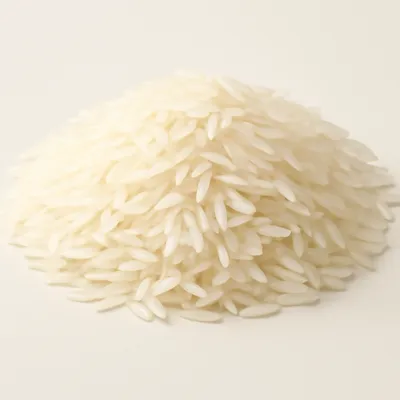
Cut down between bubbles into 2cm cubes — never along the grain or you crush the crackling. Serve with sweet bean sauce (tuong ngot), 「do chua」 pickled carrot-daikon, sliced cucumber, fresh chile, and rice or warm baguette. Saigon-style: tuck slices into a banh mi.
Watch outCut down through the gaps between bubbles, never along the grain — slice across and you crush the crackling flat.