
Black-eyed peas and glutinous rice cooked together in lightly sweetened coconut milk, served warm — a quiet, restorative South-Vietnamese sweet.
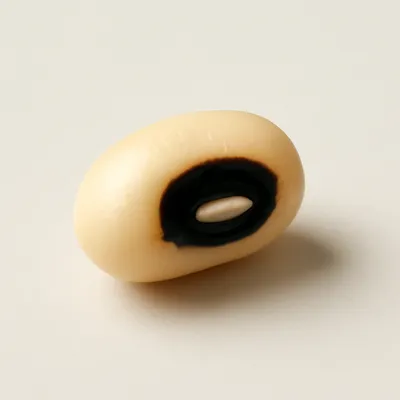
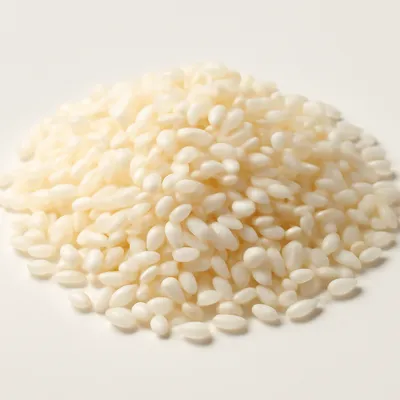


Che dau trang is a Southern home staple — black-eyed peas (dau trang, literally 「white bean」) are common in Mekong-delta agriculture, and the dish predates the more elaborate hawker che. It's traditionally cooked at home rather than sold from carts, and tied to feeding the elderly, the recovering, and small children. Variants run across the country with whatever bean is on hand: dau xanh (mung), dau do (red), dau den (black) — but white-bean-with-rice keeps a particular reputation as the gentlest.
Black-eyed-pea-and-glutinous-rice porridge from southern home kitchens — never sold from carts. The two soaks (one for beans, one for rice) are not optional: they cook at different rates, and salt-cooking the beans before sugar is what gets them tender. Sugar slows legume hydration.
Soft beans and swollen glutinous-rice grains held together in a tan, lightly sweet porridge, with a salty-rich coconut cream poured on top that streaks white through it. The black-eyed peas keep a faint earthy note — closer to a soup-bean than a candy. Texturally everything is the same yielding softness, which is the point: this is the bowl you eat after fever, after a long bus ride, when you don't want to chew. Sweetness sits low. Salt and coconut do most of the lifting.
Two soaks, one for each ingredient — they cook at different rates, and pre-soaking each separately means the rice doesn't go to mush before the beans are tender. Salt-cooking the beans (rather than adding salt at the end) seasons them through; sugar comes last, after the beans are soft, because sugar slows hydration of legume skins. The split-finish coconut topping is the Southern signature — it stays glossy on top instead of disappearing into the porridge.
Variations
Che dau trang (black-eyed pea, the gentlest); che dau xanh swaps in mung bean; che dau do uses red bean and runs sweeter; che dau den uses black bean and is bolder; some northern households omit the rice entirely and serve a thinner soup.
On the Palate
Where Che Dau Trang sits in the Vietnamese flavor cloud
Ingredients
Serves 4
How it's made
5 steps · 45 min active + 7 hours 15 min waiting
- 1360 min
Soak 150g black-eyed peas in cold water 6-8 hours or overnight. Drain. Soak 150g glutinous rice 2 hours; drain.
- 235 min
Cover the peas with 800ml fresh water and a pinch of salt. Simmer 35 minutes until tender but holding shape — bite-test, the skin should give but not split.
Watch outSimmer the beans just until a bite shows the skin gives but hasn't split — burst skins here turn the whole pot to mush later.
- 318 min
Add the drained glutinous rice and another 300ml water. Cook 18 minutes, stirring every few minutes so the rice doesn't catch on the bottom. The rice should swell and the liquid thicken into a starchy porridge.
Watch outStir every couple of minutes once the rice goes in — glutinous rice sinks and scorches fast, and a burnt bottom taints the whole pot.
- 45 min
Stir in 70g palm sugar and 1/2 tsp salt. Cook 5 more minutes until sugar dissolves and the porridge takes on a tan tint.
Watch outAdd the sugar only after the beans are fully soft — sugar in early stiffens the legume skins and they'll never turn tender.
- 55 min
Off heat. Make the coconut topping: warm 200ml coconut milk with 1 tbsp sugar, 1/4 tsp salt, and 1 tsp tapioca slurry until just thickened. Ladle the bean-rice mixture into bowls; spoon coconut over each. Serve warm.
Watch outDo not overheat the coconut milk to prevent it from separating.


