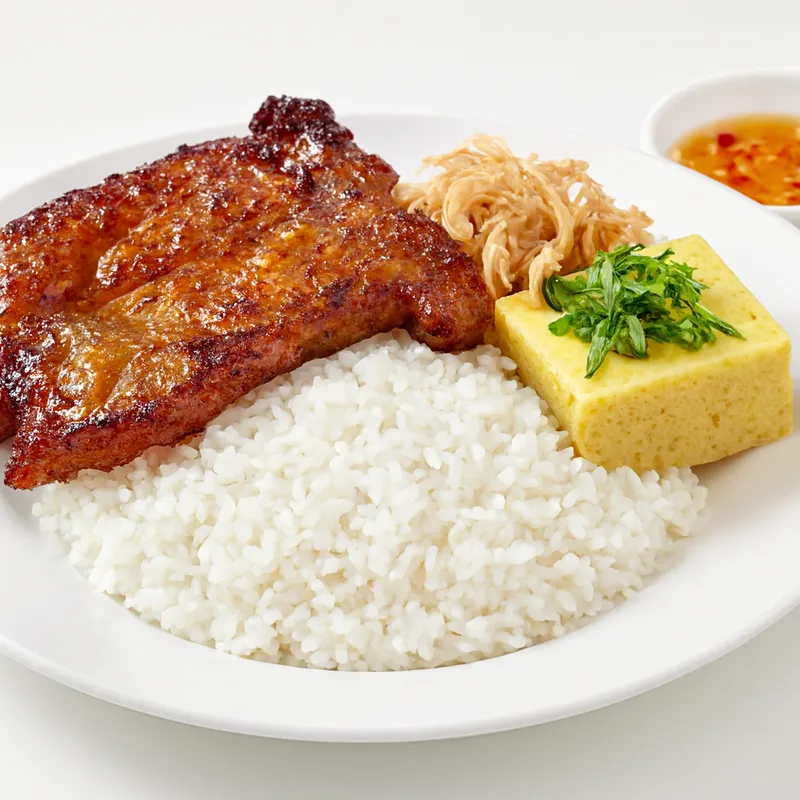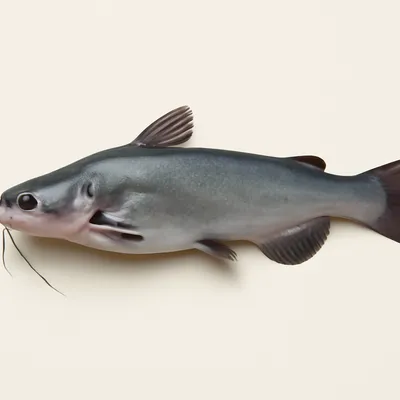


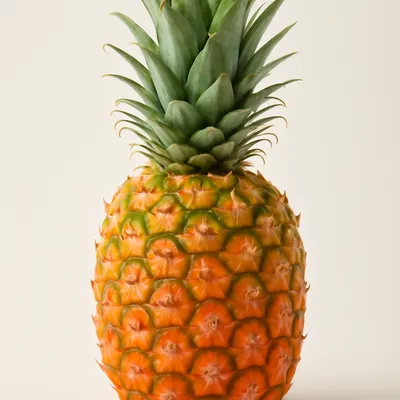
Canh chua ca is the defining home soup of the Mekong Delta, where tamarind trees, pineapples, and freshwater catfish/snakehead are abundant year-round. The five-flavour balance — sour, sweet, salty, savoury, herbal — is taught as the southern grammar of cooking. Every household has its own ratio, and every cook adjusts seasoning at the table. The dish is daily food, not festival food, and is almost always served alongside ca kho to (caramelised fish) — the sour soup and the salty-sweet braise are the southern home meal's core pairing.
Mekong Delta home soup — five-flavour grammar of southern cooking, drunk daily with rice, almost always paired with ca kho to. Tamarind leads at ~pH 3, pineapple rounds, fish sauce anchors, rau om finishes off-heat. Lime sourness fades under heat; tamarind's fruit-acid holds.
An amber-clear broth that hits sour first — clean, fruity tamarind sourness, not vinegar — then a slow sweetness from pineapple and a salt-savoury layer from fish sauce. The fish is silky, the okra slippery, the taro stem porous and broth-soaked, the bean sprouts crunchy. Rau om — a rice-paddy herb that smells citrus-cumin — is the top note that distinguishes canh chua from any other sour soup. Eaten with rice, often the same bite: spoonful of broth, fish dipped in nuoc cham, mouthful of rice.
The flavour structure is hierarchical, not balanced-equal: sour leads (tamarind ~ pH 3), sweet rounds (pineapple + 1 tbsp sugar), salty-savoury anchors (fish sauce, no MSG needed), herbal finishes (rau om). Vegetable timing matters — taro stem (bac ha) goes in last because it turns slimy if overcooked, and rau om is added off-heat so its volatile aromatics survive. The fish is poached gently because catfish/snakehead flesh is soft; rolling boil shreds it. Tamarind, not lime: lime sourness fades under heat, tamarind's fruit-acid holds.
Variations
Ca Mau homes use snakehead (ca loc); Soc Trang prefers basa catfish; Can Tho floating-market versions add jicama and water spinach; the Khmer cousin samlor machu trey uses prahok and shares the okra-tomato-pineapple trio.
On the Palate
Where Canh Chua Ca sits in the Vietnamese flavor cloud
Ingredients
Serves 4



How it's made
6 steps · 25 min active + 10 min waiting
- 110 min
Soak 30g seedless tamarind pulp in 200ml hot water for 10 minutes. Mash and strain — keep the cloudy juice, discard the fibre.
- 25 min
Cut 600g catfish or snakehead into 3cm steaks (skin and bone in — they hold the flesh together while it simmers). Salt lightly and rest.
- 36 min
In a pot, bring 1.5L water to a boil with 2 tbsp fish sauce, 1 tbsp sugar, the tamarind juice. Add 200g pineapple in chunks and 2 tomatoes in wedges. Simmer 5 minutes.
Watch outReach for tamarind, not lime — lime sourness fades under the heat, tamarind's fruit-acid holds through the simmer.
- 48 min
Slide in the fish. Simmer 6-8 minutes — flesh just turns from translucent to opaque. Don't stir; the pieces break easily.
Watch outSlide the fish in and leave it — simmer just until the flesh turns from translucent to opaque; a rolling boil or a stir shreds the soft catfish.
- 52 min
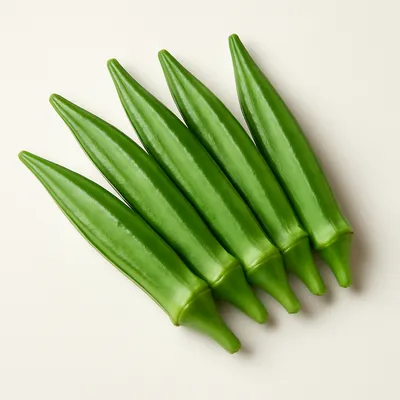
Add 100g sliced okra, 100g peeled taro stem (bac ha), 100g bean sprouts. Cook 90 seconds — taro stem should still have a slight crunch.
Watch outGive the taro stem just 90 seconds — it turns slimy the moment it overcooks, so it should still snap with a slight crunch.
- 61 min
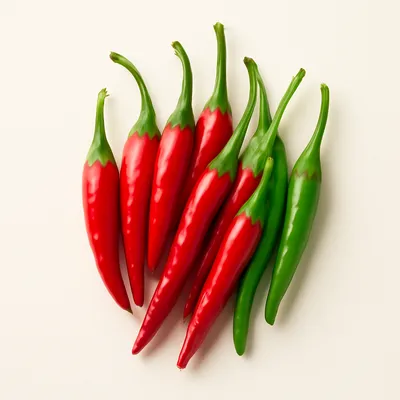
Off heat. Tear in a fistful of rau om (rice paddy herb) and a few sliced bird chillies. Adjust: should taste sour-first, then sweet, salty, with a herb top-note. Serve with steamed rice and a side of fish sauce with chilli for dipping the fish.
Watch outTear the rau om in off the heat so its volatile aromatics survive — the bowl should taste sour first, then sweet and salty, with the herb riding on top.