
Northern Vietnamese family-table pumpkin soup with minced pork or shrimp, lightly seasoned with fish sauce — clear broth, soft pumpkin pieces.





Canh bi do is everyday family-table cooking across northern Vietnam, where the bigger meal is rice plus a few side dishes plus a soup (canh) that sits in the middle. Pumpkin is a cheap autumn-winter vegetable, and the soup belongs to the broader category of plain pork-or-shrimp canh — same technique, different vegetable: canh rau ngot (with sweet leaf), canh mong toi (Malabar spinach), canh cua rau day (with crab and jute leaves). The minimalism is the point: rice and the salty-sweet main dish carry weight, the canh refreshes between bites.
Northern Vietnamese family-table soup. Render the pork first, then add water — that thin amino broth is why no stock is needed. Don't pre-roast the pumpkin; this isn't Western pumpkin soup.
A clear, gold-orange broth with cubes of pumpkin that fall apart on the spoon. Texture is two-layered: the broth is light, near-water in body, while the pumpkin itself is dense and sweet. Pork (or shrimp) is a savoury punctuation, not the main event. White pepper at the back gives a clean lift. Eaten with rice as one of two or three soup-and-side dishes — northern Vietnamese family meals run on this kind of soft, low-key canh.
The pork-then-water sequence is intentional: rendering the meat first builds a thin savoury base in the broth (free amino acids leach into the water during the simmer), so no stock is needed. Pumpkin is added whole-cube, not pureed — half the cubes stay intact, half soften and dissolve. That partial-dissolution is what gives the broth its faint body. Don't pre-roast the pumpkin: this soup wants its raw vegetal sweetness, not caramelised depth — that would tip it toward Western pumpkin soup.
Variations
Sister soups in the same plain-canh family: canh rau ngot (sweet leaf), canh mong toi (Malabar spinach), canh cua rau day (jute leaves with field crab, a Hanoi summer fixture).
On the Palate
Where Canh Bi Do sits in the Vietnamese flavor cloud
Ingredients
Serves 4

How it's made
6 steps · 15 min active + 10 min waiting
- 16 min
Peel 500g kabocha or butternut pumpkin and cut into 2cm chunks. Set aside.
- 23 min
Mix 150g minced pork (or 150g peeled shrimp roughly chopped) with 1 tsp fish sauce, pinch ground white pepper, 1 chopped shallot. Rest 10 minutes.
- 32 min
Heat 1 tbsp neutral oil in a pot over medium. Stir-fry the pork for 90 seconds until it turns pale and the fat renders.
Watch outStir-fry the pork just until it turns pale and the fat slicks the pot — that rendered savour is the whole broth base, so don't rush past it.
- 43 min
Pour in 1.2L water. Bring to a boil and skim any foam. Drop in the pumpkin and 1 more tbsp fish sauce.
- 513 min
Reduce to a gentle simmer. Cook 12-14 minutes — pumpkin should yield to a chopstick but still hold its cube shape. Some edges will dissolve into the broth and slightly thicken it.
Watch outSimmer until a chopstick slides through a cube but it still holds its shape — let a few edges melt to lightly thicken the broth, but stop before it all turns to mush.
- 61 min
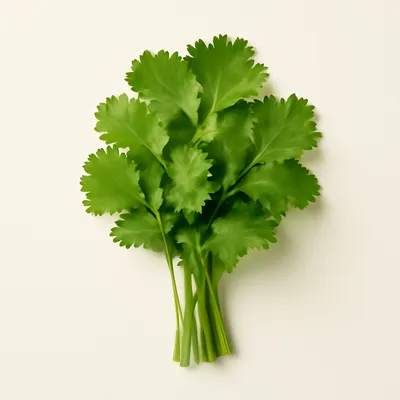
Off heat. Stir in a small handful of chopped scallion and coriander. Season-check: the broth should taste of pumpkin sweetness with fish-sauce salinity, no other depth needed.


