
Pork ribs braised in coconut water, fish sauce, and caramel until the sauce reduces to a sticky glaze and the meat just clings to the bone — southern Vietnam's everyday rice-table protein.
Suon kho is the everyday southern Vietnamese rice-table dish — every Saigon home cook has a version, and com tam (broken-rice) shops in the south always have a tray of suon kho as one of the standard protein options alongside grilled pork chop and braised egg. Coconut water is the southern signature; central and northern versions of the same dish substitute plain water or stock. It is daily food, not festival food.
Saigon com tam staple. Two-stage braise: long covered simmer breaks rib collagen into gelatin (meat-clinging-to-bone), then open reduction concentrates the glaze. Boiling hard with the lid off toughens the meat before the sauce thickens.
Ribs glazed deep mahogany, the glaze tacky enough to leave a fingerprint on the chopstick. Bite — meat parts from the bone with no resistance, the surface salty-sweet from caramelised fish sauce, the interior still juicy. The young coconut water is invisible but you taste it as a faint sweet roundness behind the salt. Family-style — pile the ribs on rice, spoon the glaze over, eat with a side of canh and pickled mustard greens.
The two-stage braise is what gives suon kho its signature texture: the long covered simmer breaks down rib collagen into gelatin (the meat-clinging-to-bone effect), then the open reduction concentrates the sauce sugars and fish-sauce amino acids into a glaze that coats rather than pools. Trying to do both stages at once — boiling hard with the lid off — toughens the meat before the sauce thickens.
Variations
Southern version uses young coconut water; central Vietnam (Da Nang, Quang Nam) substitutes plain water and adds black pepper; Saigon com tam shops like Com Tam Ba Ghien plate it alongside grilled pork chop and braised egg as the standard 「three protein」 com tam set.
On the Palate
Where Suon Kho sits in the Vietnamese flavor cloud
Ingredients
Serves 4






How it's made
8 steps · 30 min active + 40 min waiting
- 18 min
Ask the butcher to chop 800g pork spare ribs into 4cm pieces across the bone. Blanch in boiling water 3 minutes, drain, rinse to remove scum.
- 222 min
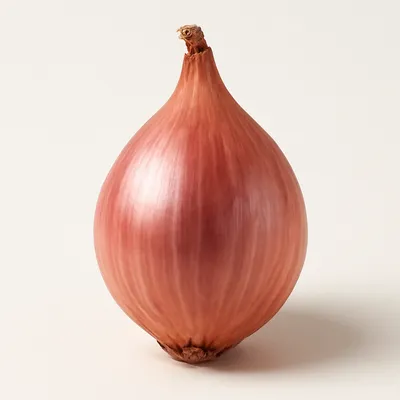
Marinate ribs with 3 tbsp fish sauce, 2 tsp sugar, 4 minced shallots, 4 minced garlic, 1 tsp ground black pepper, 1 tbsp oyster sauce for 20 minutes.
- 33 min
In a heavy pot, heat 1 tbsp oil over medium. Add 2 tbsp sugar; melt and caramelise to deep amber, about 3 minutes.
Watch outMelt the sugar to a deep amber and no darker — it should smell nutty, not acrid; one shade too far and the whole braise turns bitter.
- 45 min
Add the marinated ribs and the marinade. Sear 5 minutes, turning to coat each piece in caramel.
- 55 min
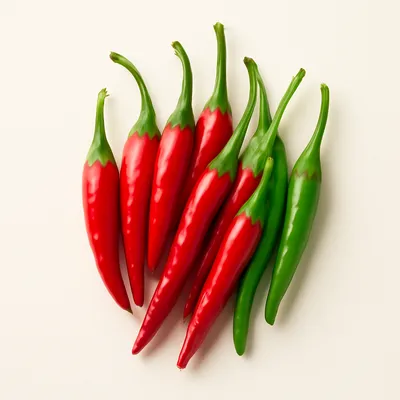
Pour in 600ml young coconut water and 1 sliced red chilli (optional). Bring to a simmer, skim foam.
- 630 min
Cover, reduce to a low simmer, cook 30 minutes — meat softens and the liquid drops by about half.
Watch outKeep the covered stage at a low quiet simmer so the collagen breaks down slowly — a hard boil here toughens the meat before the sauce is ready.
- 710 min
Uncover, raise heat to medium-high. Reduce, turning ribs every 2 minutes, 8-10 minutes — sauce thickens to a glossy syrup that clings to the ribs and the meat is tender enough to pull from the bone.
Watch outReduce uncovered, turning often, until the sauce goes glossy and syrupy and clings to each rib — when it coats the spoon and the meat pulls from the bone, it's done.
- 82 min
Crack fresh black pepper, scatter chopped scallion. Serve with hot rice and a bowl of canh — a clear simple soup of bottle gourd or winter melon.


