Southern Vietnamese purple yam soup with pork or shrimp — the grated yam thickens the broth to a gentle creaminess and stains it deep violet.


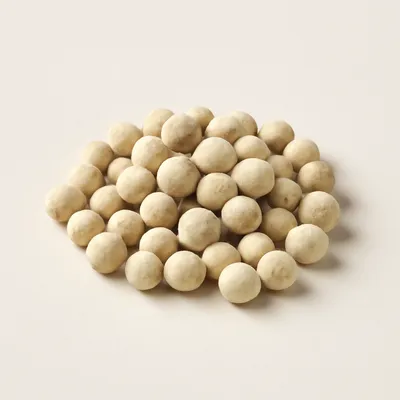


Khoai mo is the southern Vietnamese name for purple yam (Dioscorea alata, sometimes called water yam or ube — though ube refers more to the Filipino sweet preparation). In southern Vietnam it is overwhelmingly cooked savoury, in this soup form. The dish is daily home cooking in the Mekong region where the yam grows; the deep purple stains the broth and looks dramatic, but the cook does nothing special — it's the same minced-pork-and-fish-sauce technique as canh bi do, with the vegetable doing all the work. Black pepper is non-negotiable in this version.
Southern Mekong purple-yam soup. Grate, never cube — ruptured cell walls release starch and that's the whole body. Keep below 90°C or the anthocyanin violet turns grey-brown.
A startling purple — the colour of crushed berries, not muted lilac — with a body that's thicker than canh but thinner than congee. The yam itself is starchy-creamy, faintly sweet, with no chew left after grating. Black pepper at the finish gives the dish its signal note: without it, the soup is dull; with it, the heat and the yam's mineral starch lock together. Pork is incidental, more for savoury depth than a main protein. A spoonful tastes of starch + pepper + fish-sauce salt — three flavours, all distinct.
Grating, not cubing, is what makes this soup work: the cell walls rupture and release starch into the broth as it heats, giving the porridge-like body without flour or cornstarch. A cubed yam wouldn't dissolve enough — you'd get a watery soup with chunks. Stirring during the simmer keeps starch from settling and scorching on the bottom. The colour comes from anthocyanins in the yam skin and outer flesh, which are heat-stable below 90°C — keep it at a simmer, never a rolling boil, or the violet dulls toward grey-brown.
Variations
Mekong home cooks lean black-pepper-forward; Saigon restaurants sometimes finish with a swirl of coconut cream; central-region versions add minced shrimp instead of pork for sweeter depth.
On the Palate
Where Canh Khoai Mo sits in the Vietnamese flavor cloud
Ingredients
Serves 4


How it's made
6 steps · 20 min active + 5 min waiting
- 18 min
Peel 400g khoai mo (purple yam, Dioscorea alata) wearing gloves — the raw flesh can irritate skin. Grate on the medium-coarse side of a box grater into a sticky purple paste.
Watch outGrate it, don't cube — the ruptured cells bleed starch that bodies the soup; cubes just leave you watery broth with lumps.
- 22 min
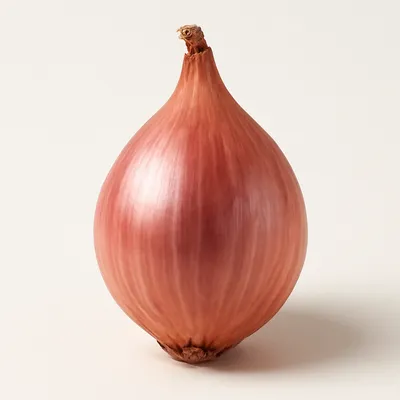
Mix 150g minced pork (or 150g chopped shrimp) with 1 tsp fish sauce, 1 chopped shallot, pinch white pepper. Rest 5 minutes.
- 32 min
Heat 1 tbsp oil in a pot over medium. Stir-fry the pork until pale and slightly browned, 2 minutes.
Watch outEnsure the oil is not too hot to avoid burning the pork.
- 44 min
Add 1.2L water and 1.5 tbsp fish sauce. Bring to a boil and skim.
- 511 min
Stir in the grated yam in a few spoonfuls, breaking up the lumps. Lower to a simmer. Cook 10-12 minutes — broth turns deep violet and thickens to a loose porridge consistency. Stir occasionally; the yam will sink and stick.
Watch outKeep it at a bare simmer, never a rolling boil — above a gentle bubble the violet dulls to grey-brown; and keep stirring or the yam sinks and scorches.
- 61 min
Off heat. Stir in chopped scallion, coriander, and a generous twist of black pepper. Serve hot with steamed rice.