
Vietnam's canonical dipping sauce — fish sauce, lime juice, sugar, water, minced garlic, and bird's-eye chile in a 1:1:1:4 ratio (fish sauce : sugar : lime : water); served with virtually every wrapped or grilled dish.
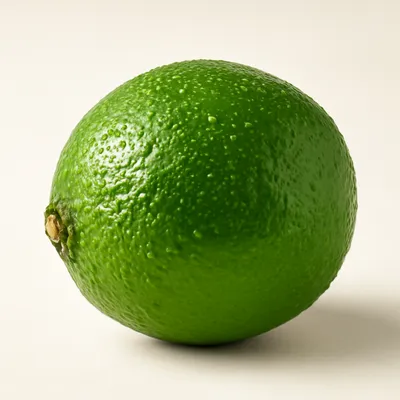



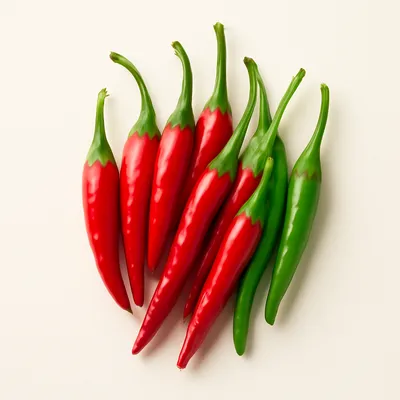
Nuoc mam cham is the universal Vietnamese table sauce — there is no Vietnamese restaurant or household without it. Fish sauce itself is ancient (Roman garum and the Southeast Asian fish-sauce tradition share the same fermentation logic); the four-component dipping format (fish sauce + lime + sugar + water) became codified across the country in the 19th and 20th centuries. The southern version is sweeter and more diluted; northern versions skip lime in favour of vinegar and run saltier; the central coast (Hue) leans heavier on chile. Phu Quoc fish sauce is the classical southern source.
The universal Vietnamese table sauce — no household or restaurant without it. The 1:1:1:4 ratio (fish sauce : sugar : lime : water) is load-bearing; drift in any direction and the balance breaks. Phu Quoc fish sauce at 35-40°N (degrees nitrogen) is the canonical strength. Sugar must dissolve before lime hits — undissolved sugar reads gritty, and lime in hot syrup cooks bitter.
A pale-amber liquid the colour of weak tea, with red chile rings and white garlic flecks bobbing on top. The first taste is sour-sweet from the lime and sugar; the salinity of the fish sauce arrives second; garlic and chile bite at the end. A goi cuon (fresh roll) dragged through it picks up exactly the right amount — too thick a sauce drowns the roll, too thin and the herb-and-shrimp interior tastes flat. Often served in shallow individual saucers in restaurants, though at home a shared communal bowl is just as traditional.
The 1:1:1:4 ratio (fish sauce : sugar : lime : water) is load-bearing — drift in any direction and the balance breaks. Fish sauce nitrogen rating matters: 35-40°N (degrees nitrogen, the protein-content scale Vietnamese fish sauce is graded by) is the canonical strength; weaker sauces under 25°N are too thin and need less dilution. Sugar must dissolve before lime is added — undissolved sugar at the bottom of the dish reads as gritty, and lime added to hot syrup cooks the citrus oils into bitterness. Garlic and chile go in last because they go bitter sitting in acid.
Variations
Southern (Saigon, sweeter and more diluted); Northern (Hanoi, skips lime for vinegar, runs saltier); Central Hue version leans heavier on chile; nuoc cham gung (with ginger) for steamed chicken; nuoc mam pha sauces for cha gio and goi cuon are the table-side staples.
On the Palate
Where Nuoc Mam Cham sits in the Vietnamese flavor cloud
Ingredients
Serves 6How it's made
5 steps · 8 min
- 12 min
Squeeze 2 limes — about 30ml juice. Strain to remove pips and pulp; pulp clouds the sauce and goes bitter overnight.
- 21 min
In a small bowl combine 30ml warm water with 30g sugar and stir until fully dissolved. Warm water (not hot) speeds the dissolution without cooking the lime later.
Watch outStir the sugar into warm water until fully dissolved before anything else — undissolved grains read gritty, and lime hitting hot syrup goes bitter.
- 31 min
Add 30ml fish sauce (use a quality southern brand like Phu Quoc — 35-40°N nitrogen rating) and 90ml plain water to the sweet base. Stir.
- 42 min
Stir in the strained lime juice. Taste — it should be balanced sweet-sour-salty with no single note dominating. If too salty, add water by the teaspoon; if too sour, more sugar; if flat, more fish sauce. Adjustment is the dish.
Watch outTaste and adjust until no single note dominates — salty-sour up front with a clear sweet finish; the balancing is the whole dish.
- 52 min
Just before serving, stir in 2 finely minced garlic cloves and 1-2 minced bird's-eye chiles (de-seeded for milder, seeds-in for hot). The garlic and chile should float on top in red-and-white flecks — a visual cue that the sauce is fresh-made.
Watch outAdd the minced garlic and chile only at the end — sitting in the acid they turn bitter; they should float on top in fresh red-and-white flecks.


