
Hoi An snack: a sheet of dry grilled rice paper sandwiched with a sheet of soft steamed wet rice paper, smashed by hand to crackle, broken into pieces and dipped in mam nem (fermented anchovy sauce with pineapple).



Banh dap is a Hoi An and Cam Nam snack — Cam Nam village across the Thu Bon River from Hoi An's old town is famous for it, with stalls lining the riverbank specializing in this single dish. The grilled-and-steamed sandwich technique developed because central Vietnamese rice paper craft produced both forms in the same workshop, and the snack uses both at peak freshness. Mam nem dipping sauce ties it to the broader central-Vietnamese fermented-anchovy tradition.
Cam Nam village across the Thu Bon River from Hoi An — the slap is performance and structural. The wet sheet plasticizes the dry shards just enough to hold them together once smashed. The mam nem dip is the actual flavor engine.
Pure texture food. The slap is performance — the dry shells crackle audibly across the table and crack into a mosaic of shards held together by the wet sheet between them. Bite into a piece: cracker-crisp shatters first, then chewy-translucent rice in the middle. Plain on its own; the mam nem is the flavour engine — funky, sweet, sharp, garlicky. A single piece runs maybe 30g but you'll eat ten.
Why both layers? A single dry rice paper is tough to bite cleanly — it shatters into hard splinters and refuses to fold. A single wet rice paper is too soft, with no crunch. Sandwiched, the wet sheet plasticizes the dry shards just enough that they stay together once smashed, and the dry shards keep the wet sheet from sticking to the diner's fingers. The slap is necessary — without smashing, you can't bite cleanly through the dry top layer.
Variations
Banh dap voi mam nem (with anchovy sauce, the Cam Nam standard); some Hoi An stalls add a smear of sesame paste between layers; banh trang nuong (Da Lat grilled rice paper) shares the dry rice-paper genealogy but goes pizza-direction; banh trang tron is the Saigon shredded-snack version.
On the Palate
Where Banh Dap sits in the Vietnamese flavor cloud
Ingredients
Serves 4



How it's made
5 steps · 20 min active + 5 min waiting
- 15 min
Heat a charcoal grill or dry skillet to medium-high. Place a 22cm round bánh tráng (dry rice paper) on the surface and rotate every 5 seconds for 30 seconds total — it should puff slightly, blister, and turn pale gold but not brown. Set aside on a wire rack to crisp.
Watch outRotate the dry rice paper every few seconds until it just blisters pale gold — let it brown and it turns bitter and shatters into hard splinters.
- 212 min
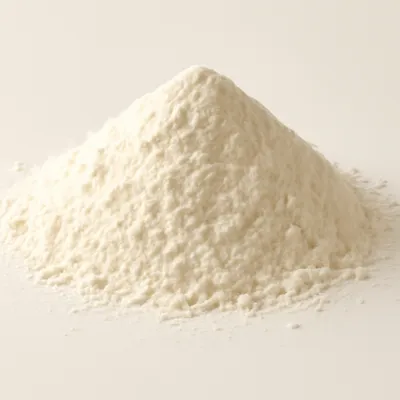
For the wet sheet: in a bamboo steamer with a stretched cloth top (or a non-stick skillet with a lid), ladle 3 tbsp rice batter (200g rice flour + 50g tapioca starch + 500ml water + pinch salt) thinly across, cover, and steam 30 seconds until the disc turns translucent. Lift with a flat bamboo stick. Repeat to make 8 discs.
Watch outLift the wet sheet the moment it turns translucent, around 30 seconds — over-steam and it tears and glues to the stick.
- 33 min
Lay one wet rice sheet on top of one toasted dry sheet. Lightly brush the wet sheet with scallion oil (1 tbsp oil + 2 tbsp finely sliced scallion green, warmed 30 seconds). Top with another toasted dry sheet so wet is sandwiched between two crisp.
- 45 min
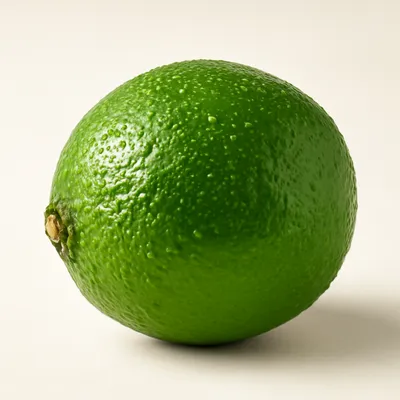
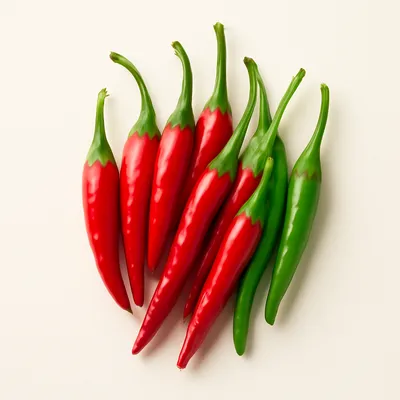
Make mam nem: combine 4 tbsp mam nem fermented anchovy sauce with 4 tbsp grated fresh pineapple, 2 tbsp sugar, juice of 1 lime, 3 minced garlic cloves, 2 minced bird's-eye chiles, 1 tsp lemongrass minced. Rest 5 minutes.
Watch outAllowing the sauce to rest helps the flavors meld.
- 51 min
Just before serving: clench fist and slap the centre of the sandwich firmly once — đập means smash. The dry sheets crackle and break; the wet sheet holds the pieces together. Tear into shards and dip into mam nem.
Watch outOne firm smash to the centre right before eating — the dry sheets must crackle and break so you can bite through cleanly; the wet sheet holds the shards together.
Archive tool suggestions — not reviewed
These legacy suggestions have not been evidence-reviewed and are not presented as required tools.

Stacked bamboo baskets, 20-30 cm across, with woven lattice bottoms and a domed lid. Set over boiling water in a wok, the bamboo absorbs excess condensation so droplets never fall back onto the food — that's why xiaolongbao stay glossy and dumplings don't go soggy. Multiple tiers let dim-sum kitchens steam four or five different items in one stack on the same flame.
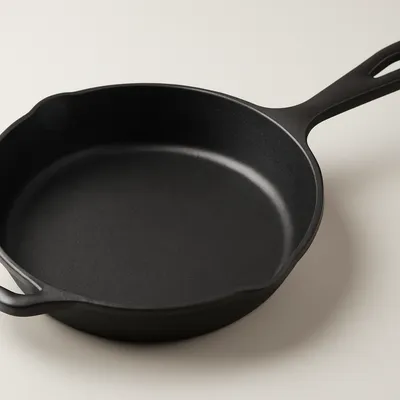
A heavy, single-piece cast iron pan, 25-30 cm across, weighing 1.5-2.5 kg. Once preheated, the thick mass holds 230°C+ even when a cold steak hits the surface — that's the secret to a deep crust. A well-seasoned skillet (multiple thin layers of polymerized oil baked into the iron) is essentially nonstick, gets better with use, and lasts a century. Lodge skillets from Tennessee have been in continuous production since 1896.
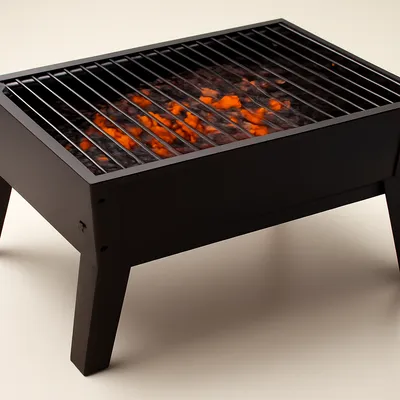
An open or hooded metal frame holding a bed of glowing charcoal embers, with a grate above. Charcoal burns at 700°C+ on the surface and emits short-wave infrared, which cooks proteins faster and with deeper Maillard browning than gas. Hardwood lump charcoal (oak, mesquite, fruitwood) lends its own smoke; cheap briquettes do not. Mastery is mostly heat zoning — direct over coals for searing, indirect off-coals for slow-roasting.


