


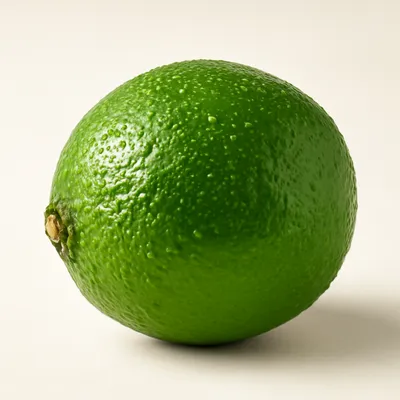
Tra chanh — literally 「lime tea」 — is a Hanoi street culture that exploded around 2008-2010, when the city's young migrants and students needed cheap social hangouts and corner stalls began setting out plastic stools and serving iced lime tea by the thousands. The Nha Tho cathedral square area became the most photographed tra chanh strip. Tea + lime + ice is older than that — every Hanoi household drinks something like it — but the open-air sidewalk stool format is specifically a post-2008 thing, now exported to Saigon under the same 「Tra Chanh Hanoi」 sign.
Hanoi street culture that exploded around 2008-2010 — the open-air sidewalk-stool format is post-financial-crisis, when the Nha Tho cathedral square strip became the photographed benchmark. Limes go in whole-shell because peel limonene is what separates Vietnamese tra chanh from Thai or Singaporean lime tea, where only juice goes in. A glass costs 10,000-15,000 VND.
Pale gold-green, fragrant with lime peel, sweet up front and bitter underneath as the green tea's catechins assert themselves. Cold and refreshingly thin — this is not a thick or rich drink, it's the opposite of cafe sua da. The pleasure is the social setting: tra chanh is what Hanoi 20-somethings drink for hours on plastic stools spread across sidewalks at intersections like Nha Tho or Hang Tre, talking, smoking, shelling sunflower seeds. A glass costs 10,000-15,000 VND.
The 「rinse the leaves」 step (rua tra) is structural — it washes off surface dust and pre-warms the leaves, which means the second steep extracts more cleanly. Adding sugar while the tea is still hot is also load-bearing: sucrose dissolves fully in hot water but only partially in cold — pour cold sugar in and you taste grit at the bottom. Limes are dropped in whole-shell because the peel oil (limonene) is what makes Vietnamese tra da chanh taste different from Thai or Singaporean lime tea, where only the juice goes in.
Variations
Nha Tho cathedral original strip; Hang Tre intersection (sunflower-seed crowd); Saigon transplants under the 「Tra Chanh Hanoi」 sign; tra mat ong is the honey version; tra dao replaces lime with peach jam.
On the Palate
Where Tra Da Chanh sits in the Vietnamese flavor cloud
Ingredients
Serves 4How it's made
4 steps · 5 min active + 10 min waiting
- 16 min
Brew strong green tea: rinse 15g loose green tea (tra xanh — Thai Nguyen-style, a Northern green) with 100ml just-off-boil water and discard the rinse. Steep 600ml fresh just-off-boil water 4-5 minutes — the brew should be pale gold and noticeably bitter.
Watch outRinse the leaves once with hot water and toss it, then steep to a pale gold that tastes distinctly bitter — you want it over-strong now, since ice and sugar will tame it.
- 210 min
Strain into a heatproof pitcher. Stir in 4-6 tablespoons sugar while still hot until fully dissolved. Cool to room temperature 10 minutes.
Watch outStir the sugar in while the tea is still hot so it dissolves clean — add it cold and you'll taste grit settling at the bottom of the glass.
- 32 min
Cut 2 limes (chanh — Vietnamese key-lime style is best) into quarters. Squeeze 1.5 limes into the cooled tea, drop the spent shells in for peel oil. Stir.
Watch outAfter squeezing, drop the spent lime shells in too — the peel oil is what gives this its Vietnamese edge over a plain lime tea.
- 42 min
Pack 4 tall glasses with ice cubes to the rim. Pour the tea over. Drop a fresh wedge of lime into each glass. Serve with a long spoon — the bottom of the glass is always sweeter and locals stir as they drink.
Watch outUse enough ice to keep the tea cold and refreshing.


