Bun Bo Nam Bo
“Saigon-style dry vermicelli bowl: lemongrass-and-garlic stir-fried beef over cool rice noodles with herbs, fried shallot, crushed peanut, with nuoc cham poured in at the table.”
Where it comes from
Bun Bo Nam Bo means literally 「southern-region beef vermicelli」 — and the name is itself a Hanoi exonym. Northerners gave it the「nam bo」(southern) tag because the sweet-forward fish-sauce profile and herb-heavy assembly read as Mekong-delta cooking. In Saigon it is just bun bo xao or bun thit bo xao. The dry-vermicelli format with stir-fried protein on top is a southern lane distinct from the broth-based bun bo Hue from Central Vietnam. Common street-food and lunch fare from the 20th century onward.
On the plate
A study in temperature contrast — hot beef in a cold bowl. The first toss spreads lemongrass-garlic-fish-sauce oil through the noodles, crunch comes from peanut and shallot, freshness from rau ram and cucumber. The nuoc cham at the bottom is sweet-sour-salty-spicy, lighter than southern Thai's nam jim, never opaque. A good bowl is dressed but not soupy — every strand glossed, never pooled.
How it works
The cold-on-hot construction is the mechanism: noodles must be drained-cold so they stay glossy and don't clump, while the beef must come to the bowl still steaming so it perfumes the herbs as it lands. The lemongrass scorches in the wok — that browned char is the dish's defining aroma, and it cannot come from raw lemongrass added later. Nuoc cham added at table (not pre-mixed in) keeps the noodles loose; pre-tossed they go waterlogged within minutes.
The name itself is a Hanoi exonym — northerners tagged it 「nam bo」 (southern) for the sweet-forward fish-sauce profile. In Saigon it's just bun bo xao. Lemongrass scorched in the wok is the defining aroma; raw lemongrass added later cannot fake it.
Variations
Bun Bo Nam Bo Bach Phuong on Hang Dieu in Hanoi is the most-cited shop; Saigon's bun bo xao serves the same idea without the spring-roll topping; the bun thit bo xao variant doubles the peanut-shallot crunch.
On the Palate
Ingredients
Serves 4









How it's made
5 steps · Show ↓25 min active · 10 min waiting
How it's made
5 steps · Show ↓- 110 min
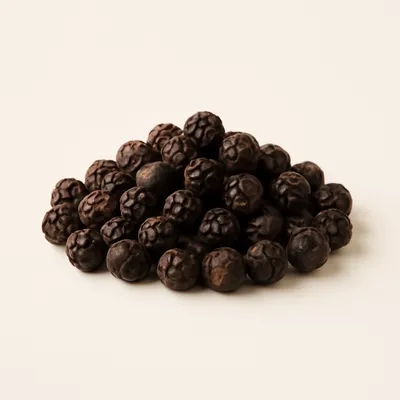
Slice 500g beef sirloin or flank against the grain into 3mm strips. Marinate with 3 tbsp fish sauce, 2 tbsp sugar, 4 stalks lemongrass (white parts only, finely minced), 6 garlic cloves minced, 1 tsp black pepper, 1 tbsp oil. Rest 10 minutes.
- 25 min
Soak 400g dried rice vermicelli (bun) in cold water 20 minutes, then boil 90 seconds until just tender. Drain, rinse cold, drain again. Noodles must be cool — this is a cold-noodle bowl.
Watch outEnsure the noodles are fully cooled to avoid clumping.
- 33 min
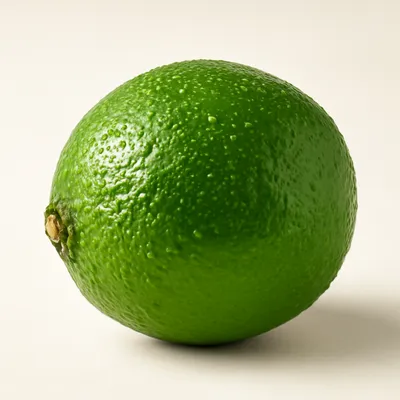
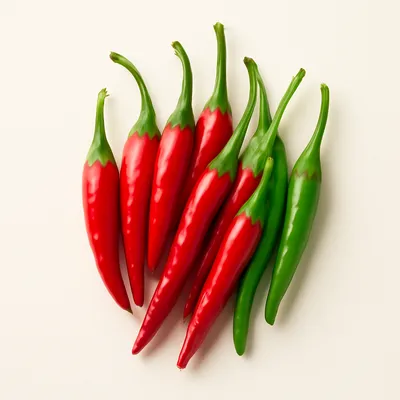
Mix the nuoc cham: 4 tbsp fish sauce, 4 tbsp lime juice, 4 tbsp sugar, 6 tbsp warm water, 2 garlic cloves minced, 1-2 bird's eye chiles minced. Stir until sugar dissolves.
Watch outMake sure the water is warm enough to dissolve the sugar completely.
- 44 min
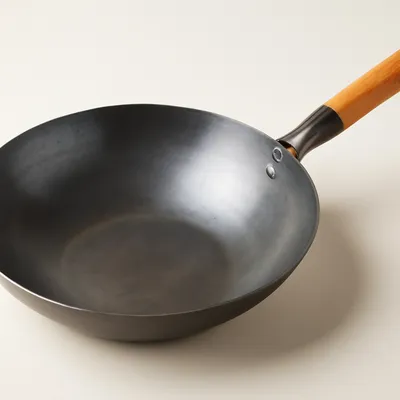
Heat a wok screaming-hot, add 1 tbsp oil. Stir-fry beef in two batches (overcrowding steams it grey) — 60 seconds per batch, just past medium-rare with brown edges and lemongrass scorched fragrant.
Watch outAvoid cooking the beef too long to prevent it from becoming tough.
- 53 min
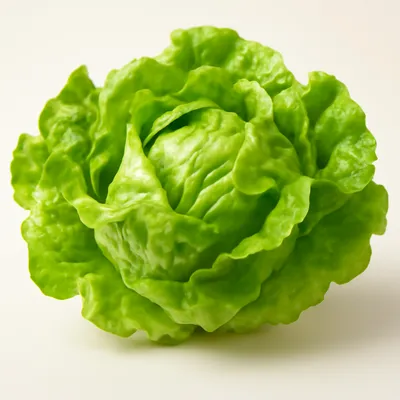
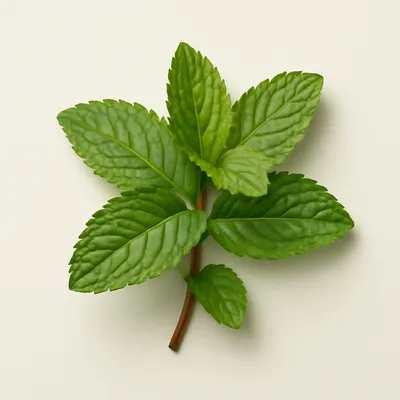
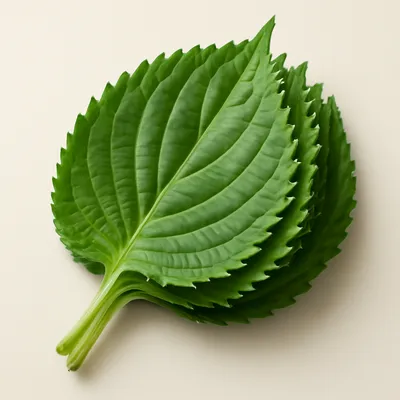
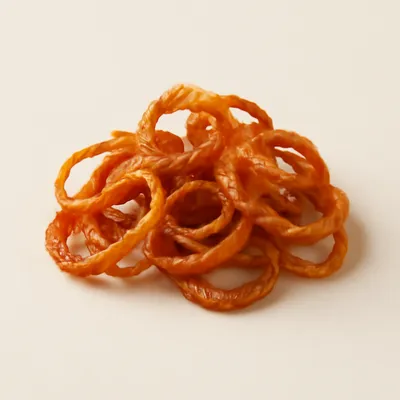
Build each bowl bottom-up: shredded lettuce, blanched bean sprouts, sliced cucumber, mint, perilla, Vietnamese coriander (rau ram). Top with cooled vermicelli, then hot beef, then crisp fried shallot and crushed roasted peanut. Pour 4-5 tbsp nuoc cham over at the table — the diner tosses it themselves.