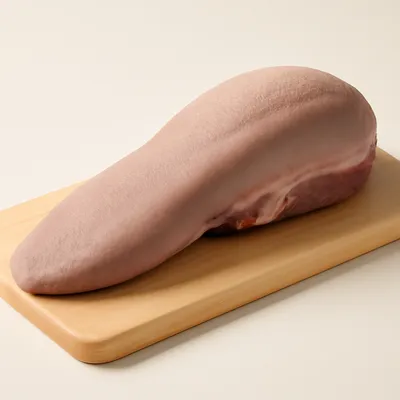
A Saigon street-snack braise of mixed offal — beef or pork tripe, stomach, intestine, lung, tongue, and sometimes ear — simmered in a fragrant five-spice stock cut with coconut milk or coconut water until everything turns tender and the broth glows a warm orange. The offal is chopped and ladled into small bowls with its braising liquid, then eaten by tearing off pieces of crusty bánh mì to dip, or spooned over noodles (mì or bánh canh phá lấu). It is late-night and after-school food above all, strongly tied to Chợ Lớn, Saigon's Chinatown, where Teochew Chinese cooks first carried the technique. The funk of the organs, the five-spice and star-anise perfume, and the faint coconut sweetness are what people line up for.


Phá lấu descends from the Teochew (Chaozhou) red-braising tradition — lou or lor cooking, written 滷/卤 — brought to southern Vietnam by Teochew Chinese immigrants from the Chaoshan region of Guangdong, who settled in numbers around Chợ Lớn, Saigon's Chinatown. The name itself is the Teochew word for the braise (Hokkien-Teochew phah-ló̍, rendered in Vietnamese as phá lấu), so it arrived as a Chinese technique rather than a native one. The Chinese original leaned on duck and other poultry; in Saigon, vendors in the early twentieth century switched to cow intestine and mixed beef and pork offal, which were far cheaper, and the dish settled into its street-stall form. Its defining local twist is coconut — coconut milk or coconut water, a staple of southern Vietnamese and Khmer cooking — added to the five-spice stock for a roundness and sweetness the Chinese version does not have. By the mid-twentieth century it was a fixture of Saigon sidewalk and school-gate eating; the noodle-and-offal bowls sold outside Gia Định High School are often cited as part of how it became a citywide habit.
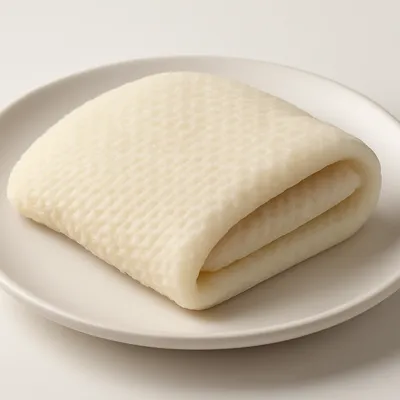
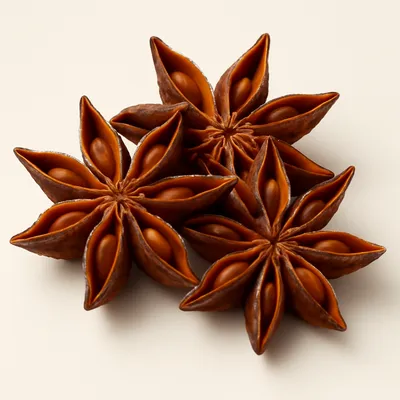
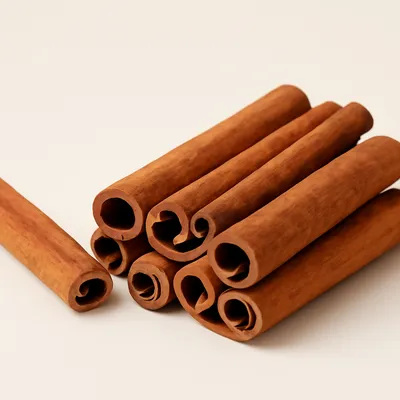
Each piece eats differently: tripe and stomach are springy and chewy, intestine soft and yielding, tongue dense, lung oddly light and sponge-like, ear gelatinous with a thin cartilage crunch. The broth is the point — warm orange-brown, rich with five-spice and star anise, edged with cinnamon, and rounded by coconut so the organ funk reads savory rather than sharp. A squeeze of lime or a chili-fish-sauce dip cuts the richness. The real pleasure is the dipping: a torn shard of bánh mì, crackly crust and airy crumb, soaked in the hot fatty broth until it half-collapses.
Offal carries strong odor compounds, so the work starts with cleaning: tripe and intestine are scrubbed with coarse salt, rubbed with flour, and rinsed with vinegar or lime to strip mucus and surface funk, then blanched in boiling water for several minutes to firm the texture and pull out the first wave of off-smells before the braise. Tripe is springy and collagen-rich but low in gelatin, so a long, gentle simmer — roughly two and a half to three hours below a hard boil — is what converts that collagen to gelatin and turns the chew tender; tendon, skin, or ear are often added precisely because they melt into body and gloss the broth. The five-spice blend, star anise, and cinnamon are warming, anise-and-clove aromatics that mask residual organ smell, while coconut milk contributes fat and sweetness that round the salt and soy; as the pot reduces, gelatin and rendered fat thicken the liquid into the slightly clingy, glossy broth meant for dipping.
Variations
Beef phá lấu (phá lấu bò) is the Saigon street-stall default and runs the orange coconut broth; the older Chinese-style version uses pork or duck and a darker, soy-forward braise without coconut. It is sold three main ways: as a small bowl of offal in broth for dipping bánh mì; over noodles as mì phá lấu or bánh canh phá lấu; and as drier, caramelized sliced offal. Curry powder is sometimes added to the stock, leaning the flavor toward a mild curry. Northward and among older Hoa (ethnic-Chinese) families the dish stays closer to the dry, five-spice Teochew braise, while the coconut bowl is the southern, Saigon signature.
On the Palate
Where Pha Lau sits in the Vietnamese flavor cloud
Ingredients
Serves 4


How it's made
7 steps · 40 min
- 120 min
Scrub beef tripe and pork intestine with coarse salt, rub with a handful of flour, and rinse thoroughly with water and a splash of vinegar or lime juice to strip mucus and surface odor; rinse other offal (lung, tongue, ear) clean.
Watch outScrub the tripe and intestine with coarse salt, flour and vinegar until the mucus and funk are stripped — skimp here and the whole braise smells off.
- 210 min
Blanch all the offal in a pot of boiling water for 5 to 8 minutes, then drain and rinse off the scum; this firms the texture and removes the first wave of off-smells.
- 325 min
Cut the cleaned offal into bite-size pieces. Marinate with five-spice powder, fish sauce, sugar, minced garlic, and shallot for at least 20 minutes.
- 410 min
In a heavy pot, toast star anise, cinnamon, and the bruised lemongrass in a little oil until fragrant, then add the marinated offal and stir to coat in the aromatics.
- 5180 min
Pour in coconut milk or coconut water plus enough water to cover, add fish sauce and a little soy and sugar to balance, bring to a gentle simmer, then lower the heat and braise uncovered or partly covered for 2.5 to 3 hours until tender and the broth has reduced and thickened slightly.
Watch outBraise low two and a half to three hours until the tripe turns tender and the broth thickens slightly — that long gentle simmer is what converts the chewy collagen to soft gelatin.
- 65 min
Taste and adjust the broth for salt, sweetness, and five-spice; the liquid should be glossy and lightly clingy.
- 75 min
Ladle the offal and broth into small bowls. Serve hot with crusty bánh mì for dipping, a wedge of lime, and a chili-fish-sauce dipping bowl; or spoon over noodles for mì or bánh canh phá lấu.
Archive tool suggestions — not reviewed
These legacy suggestions have not been evidence-reviewed and are not presented as required tools.



