
Glutinous rice-flour dumplings stuffed with sweetened mung-bean paste, floated in a fresh-ginger-and-palm-sugar syrup with coconut milk drizzled on top — the Northern Vietnamese Han Thuc festival dish.
Che troi nuoc (literally 「che that drifts in water」, troi = float/drift, nuoc = water) is the Vietnamese counterpart to the Chinese tangyuan, and is in fact the Southern name for the dish — eaten in particular on Tet Han Thuc, the third day of the third lunar month, a festival adopted from China but reshaped around glutinous-rice dumplings rather than cold dishes. In the North, the Han Thuc offering is actually a pair of related dumplings: banh troi (grape-sized, with a small palm-sugar cube inside) and banh chay (egg-sized, filled with mung-bean paste and served in a thick sweet sauce). The ginger-and-palm-sugar syrup, rather than the lighter Cantonese versions, marks the dish as distinctly Vietnamese.
Northern Vietnam's tangyuan cousin, eaten on Tet Han Thuc (third day, third lunar month). Dough water must be 40-50°C — cold cracks, boiling gelatinizes unevenly. The cold-water shock after boiling tightens surface starch from slime to chew.
Round white dumplings the size of large marbles, glossed by amber syrup. The skin chews like a pulled-mochi — taut, then yielding. The bite breaks into hot mung-bean paste that has stayed dry inside the wrapper, faintly grainy, distinctly its own thing rather than just sweet filler. Ginger has saturated the syrup; it pricks the tongue and warms the back of the throat. The coconut drizzle floats on top in white pools, salty and rich. Eaten in winter and at Han Thuc, it's a dumpling that makes you sit still for a minute.
Two technical points. First, the dough water must be warm (40-50°C) — cold water yields a stiff dough that cracks; boiling water gelatinizes the starch unevenly. Second, the cold-water shock after boiling is non-negotiable: it stops residual cooking and tightens the surface starch into a chew rather than a slime. Skip it and the skins go pasty within 5 minutes. The ginger goes in raw and fresh, not powdered — the volatile gingerols are what give the syrup its throat-warming finish.
Variations
Che troi nuoc (filled with mung paste, in ginger-palm-sugar syrup, the Northern standard); che bao xua is the smaller unfilled cousin; the Chinese tangyuan family is the broader template (sweet sesame, peanut, red bean fillings); Hue's che bot loc heo quay is the savory cross-genre cousin with caramelized pork inside.
On the Palate
Where Che Troi Nuoc sits in the Vietnamese flavor cloud
Ingredients
Serves 4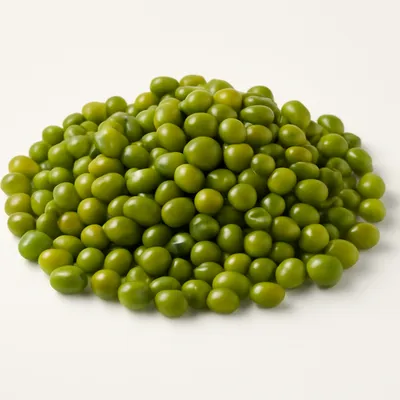





How it's made
6 steps · 1 hour 15 min active + 15 min waiting
- 130 min
Soak 100g hulled split mung beans 2 hours. Steam 25 minutes until soft. Mash with 60g sugar, 1 tbsp coconut oil, pinch salt to a dry, malleable paste. Roll into 16 marbles (~10g each). Refrigerate.
- 225 min
Whisk 250g glutinous rice flour with a pinch of salt. Add 180-200ml warm water gradually; knead until the dough is smooth and ear-lobe soft — not sticky to fingers. Rest covered 15 minutes.
Watch outMix the dough with warm water, not cold or boiling — knead to ear-lobe soft; cold water leaves it stiff and it cracks, boiling water gelatinizes it patchy.
- 315 min
Divide dough into 16 balls (~22g each). Flatten one into a 6cm disc, place a mung marble in the center, gather edges over and pinch shut. Roll between palms into a smooth ball with no seam. Repeat.
- 410 min
Boil 1.5L water. Drop dumplings in batches of 8. They sink, then float — count 90 seconds after they float, then lift into cold water for 1 minute to firm the skin. Drain.
Watch outCount 90 seconds after the dumplings float, then shock them in cold water for a minute — skip the cold plunge and the skins turn pasty within five minutes.
- 511 min
In a fresh pot, combine 1L water, 200g palm sugar, 30g fresh ginger sliced thin. Simmer 8 minutes — syrup turns deep amber, ginger sharpens. Slide in the dumplings; warm 3 minutes.
Watch outSimmer the syrup until it goes deep amber and the raw ginger sharpens and turns the kitchen fragrant — that fresh ginger bite is what warms the throat at the end.
- 64 min
Ladle 4 dumplings per bowl with hot syrup. Drizzle 2 tbsp warm coconut milk over each, scatter toasted sesame seeds. Eat warm — the dumpling skin chews; the ginger lingers in the throat.
Archive tool suggestions — not reviewed
These legacy suggestions have not been evidence-reviewed and are not presented as required tools.


