Adobo sa gata is adobo finished with coconut milk, a style especially loved in the coconut-rich southern Tagalog and Bicol areas. Pork or chicken is braised the usual way in soy, vinegar, garlic, and peppercorns, then coconut milk is stirred in and reduced so the sauce turns creamy and pale, its sourness softened and rounded. Chili often joins it for warmth. The result is richer and gentler than plain adobo, the coconut taming the vinegar's edge.






Adding gata (coconut milk) to a braise is the signature move of southern Luzon cooking, especially Bicol, where coconut underpins nearly every savory dish; the technique travels well to adobo. It is one of the most common regional twists on the national braise, documented as a standard variant rather than a single inventor's creation. The coconut both enriches the sauce and balances the vinegar, a pairing common across Filipino ginataan cookery.
Pieces of pork or chicken coated in a pale, creamy coconut sauce flecked with garlic and chili, far lighter in color than dark adobo. The taste leads with coconut richness, then the familiar soy-and-vinegar tang comes through, softened so the sourness whispers rather than bites. Chili adds a slow heat. The sauce is thicker and clings to rice; a spoonful over a mound of rice is the way to eat it.
Coconut milk is added toward the end and reduced gently — too hard a boil and the fat separates and curdles. As it reduces, the coconut fat emulsifies into the soy-vinegar base, thickening the sauce and rounding the acid into a mellow tang. The same vinegar braise that tenderizes and preserves the meat still does its work first; the gata is a finishing enrichment. A final ladle of thick coconut cream just before serving deepens the body.
Variations
Pork belly or chicken are the usual proteins; some cooks add a generous handful of bird's eye chili for a spicier, almost Bicol Express–like version. The amount of vinegar varies — keep it higher for a brighter sauce, lower for a sweeter, coconut-forward one. A squeeze of calamansi or a few green chilies can finish it, and some leave the sauce looser as a soup for rice.
On the Palate
Where Adobo sa Gata sits in the Filipino flavor cloud
Ingredients
Serves 4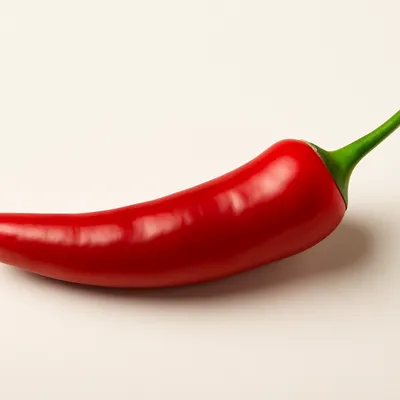

How it's made
8 steps · 15 min
- 120 min
Marinate the pork or chicken in soy sauce, vinegar, garlic, and peppercorns
- 28 min
Sear the meat in a hot pot until lightly browned
- 34 min
Saute the garlic and onion in the rendered fat until fragrant
- 425 min
Add the soy sauce, water, bay leaves, and peppercorns and simmer until tender
Watch outSimmer in the soy, water and aromatics until the meat is tender before the vinegar goes in — this braise does the tenderizing first.
- 55 min
Pour in the vinegar and let it boil without stirring for a few minutes
Watch outAdd the vinegar and let it boil a few minutes without stirring — stirring too soon leaves a raw, harsh acidity in the sauce.
- 65 min
Stir in the coconut milk and chilies and simmer gently
- 712 min
Reduce until the sauce thickens and turns creamy, stirring now and then
Watch outReduce gently until the sauce thickens and turns creamy — too hard a boil and the coconut fat splits and curdles instead of emulsifying.
- 83 min
Finish with thick coconut cream and serve hot over rice
Archive tool suggestions — not reviewed
These legacy suggestions have not been evidence-reviewed and are not presented as required tools.


