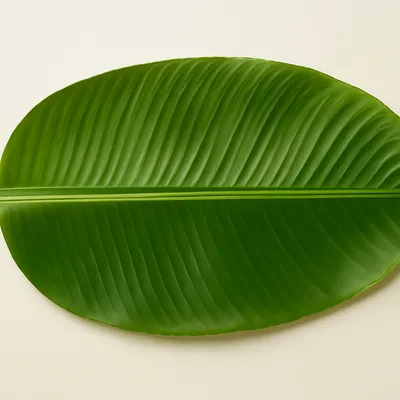
Biko is a sticky glutinous-rice cake cooked down in coconut milk and brown sugar, then pressed into a tray and finished with a layer of latik. Unlike batters that are ground to a paste, here the whole rice grains are kept intact, so the cake reads as glistening, caramel-dark sticky rice rather than a smooth pudding. It is cut into squares or diamonds and served on a banana-leaf-lined bilao tray. A standby at birthdays, reunions, and fiestas, it is among the most beloved of the everyday kakanin.
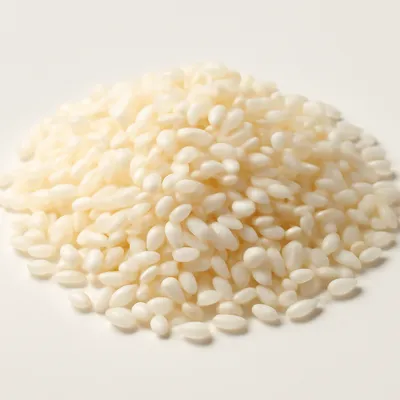


Biko is a native Filipino kakanin built on the country's two great sweet-cooking staples — glutinous rice and coconut — and it is a type of kalamay, made the same way except the grains are left whole rather than ground. Several accounts trace the word to the Hokkien-Chinese bee koh, a sweetened cake of glutinous rice, which fits the long Chinese-Filipino exchange, though the etymology is offered more as tradition than proof. It carries regional names across the islands — inkiwar in the Ilocos region, sinukmani in southern Luzon — marking it as an old, widely shared dish.
Dense, glossy, and unabashedly sticky, biko clings to the fork in caramel-brown clumps of whole rice. The flavor is deep brown-sugar with the full roundness of coconut behind it, sweeter and richer than most kakanin. The latik on top adds toasted-coconut crunch and a faint savory edge that keeps the sweetness in check. Best slightly warm, when it is at its softest and most fragrant; firmer and chewier once cooled.
Glutinous rice is almost pure amylopectin, the branched starch that swells and turns tacky as it cooks, which is why the grains bind into a single sticky mass instead of staying separate. Simmering them in coconut milk and brown sugar drives off liquid and concentrates the sugars, so the cake firms as it cools and the surface takes on a faint caramel sheen. The latik comes from reducing coconut cream until its milk solids separate from the oil and brown into crisp golden curds.
Variations
The topping marks the main split — crunchy coconut curds, or the syrupy reduced-cream latik for a glossier, softer finish. Some cooks fold in a little extra coconut for richness or scent the rice with a knot of pandan. Regional kin run close: sinukmani in the south is essentially the same, while bibingkang malagkit bakes a similar mixture and browns the top. Muscovado in place of ordinary brown sugar deepens both color and flavor.
On the Palate
Where Biko sits in the Filipino flavor cloud
Ingredients
Serves 10How it's made
8 steps · 15 min
- 120 min
Rinse and cook the glutinous rice until just tender, slightly underdone.
- 212 min
Simmer coconut milk with brown sugar in a wide pan until it darkens and thickens.
- 38 min
Set aside a little of the coconut cream to make latik separately.
- 45 min
Fold the cooked rice into the sweetened coconut and stir constantly.
- 515 min
Keep cooking and turning until the mixture is thick, sticky, and pulls from the pan.
Watch outKeep cooking and turning until the mixture is thick, sticky and pulls from the pan — stop while it's still loose and the cake won't firm up as it cools.
- 65 min
Press the rice firmly into a banana-leaf-lined tray and smooth the top.
- 712 min
Cook the reserved coconut cream down until the curds brown into latik.
Watch outReduce the reserved coconut cream until the milk solids separate and brown into golden latik curds — pull it early and it stays white and won't crisp.
- 815 min
Spread the latik over the top, cool, and cut into squares.
Archive tool suggestions — not reviewed
These legacy suggestions have not been evidence-reviewed and are not presented as required tools.



