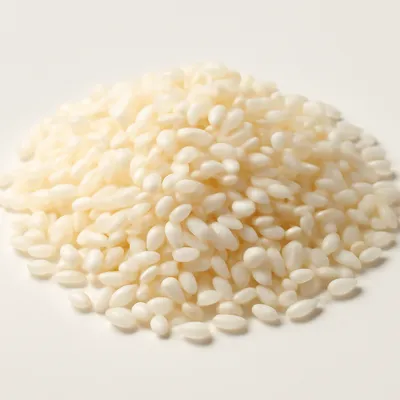
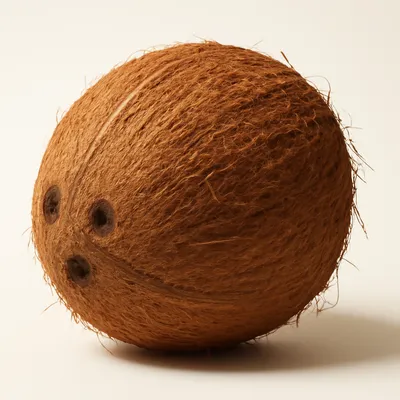
Kalamay is a thick, sticky sweet paste of ground glutinous rice, coconut milk, and brown sugar, cooked down slowly until it turns glossy and dark and pulls away from the pot. It is usually finished with latik — toasted coconut-milk curds or coconut oil — spooned or drizzled over the top. Dense, very sweet, and intensely chewy, it is set into banana-leaf-lined dishes or, famously in Bohol, sold packed inside polished coconut shells.


Kalamay — the word itself means 'sugar' — is made across the Philippines, with celebrated local versions in Ilocos, Cavite, Bohol, and the Visayas. A well-known local tale traces one origin to the village of Bagar in Candon, Ilocos, where women are said to have cooked spare coconut milk, brown sugar, and glutinous rice into a sticky mass during lean times; this account is folkloric rather than firmly documented. As a broad category, kalamay belongs to the deep pre-colonial tradition of coconut-and-rice sweets that long predates such stories.
Spoon into it and it stretches and clings like thick caramel, heavy and slow on the tongue. The flavour is deep and almost burnt-sugar from the brown sugar, rounded by rich coconut, with the latik adding little toasted, oily, faintly nutty bits on top. It is unabashedly sweet and sticky enough to coat the back of a spoon and the roof of your mouth.
Long, low cooking does the work. As the ground glutinous rice and coconut milk simmer with brown sugar, the starch gelatinizes and the mixture reduces, water boiling off until the sugars concentrate into a thick, low-water-activity paste — the same principle that lets jams and reductions keep. The high sugar and the coconut fat together make it taut and shiny, while constant stirring stops it scorching on the bottom. The latik is made separately by simmering coconut milk until the solids brown into fragrant curds, leaving clear coconut oil that is often used to grease the molds.
Variations
Antipolo kalamay (kalamay perya) is pressed into flat banana-leaf discs and topped with latik; Bohol kalamay is famously packed in halved coconut shells; Indang kalamay in Cavite uses native jaggery (panutsa). Some versions stir in peanut butter or are flavoured with anise or ube, and firmness ranges from softly spreadable to nearly cuttable.
On the Palate
Where Kalamay sits in the Filipino flavor cloud
Ingredients
Serves 10How it's made
8 steps · 20 min
- 120 min
Make latik first: simmer thick coconut cream over low heat, stirring, until the solids separate and brown into golden curds; reserve the curds and the rendered oil.
Watch outSimmer the coconut cream for latik until the solids brown into golden curds — pull it pale and you miss the fragrance; the clear rendered oil greases the molds.
- 215 min
Soak and grind glutinous rice with coconut milk into a smooth slurry, or blend glutinous rice flour with coconut milk.
- 35 min
Dissolve brown sugar in coconut milk in a heavy pot and bring to a gentle simmer.
- 43 min
Whisk the rice slurry into the sweetened coconut milk to combine.
- 560 min
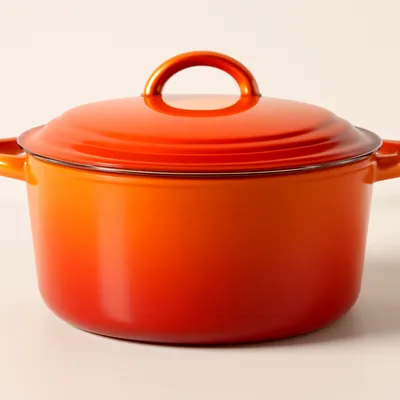
Cook over low heat, stirring without stopping, for around an hour until very thick, glossy, and pulling away from the pot.
Watch outStir nonstop about an hour until it's very thick, glossy, and pulls from the pot — the concentrated sugar and coconut fat give the taut, shiny set; stop stirring and the bottom scorches.
- 66 min
Pour into banana-leaf-lined molds or coconut shells greased with the reserved coconut oil.
- 73 min
Spoon the latik curds over the top while still warm.
- 830 min
Cool and set fully before slicing or serving.
Archive tool suggestions — not reviewed
These legacy suggestions have not been evidence-reviewed and are not presented as required tools.